ROAM

Punk
Punk Rock
Pop Punk
 Viberate Rank: 116809
 Viberate Rank: 116809
 Monthly ListenersFollowers
 Subscribers
 Followers
 Followers
 FansTop Spotify Songs
| Track | 7-Day Streams | |
|---|---|---|
1 | 15.27K | |
2 | 12.64K | |
3 | 4.53K | |
4 | 4.03K | |
5 | 2.50K |
Top YouTube VideosMonthly ListenersFeatured in Playlists| Playlist | Followers | |
|---|---|---|
1 |  The Sound of Everything The Sounds of Spotify | 53.81K |
2 | Rockers workout Chris Dial | 21.55K |
3 | blink-182, Sum 41 and More... Sum dude | 21.20K |
4 |  Punk/Rock Ricki Castanieto | 18.40K |
5 |  Pop Punk / Punk Rock 👩🏻🎤 olospo | 17.98K |
Audience| City | Monthly Listeners | |
|---|---|---|
1 | | 1.33K |
2 |  | 1.31K |
3 | | 1.23K |
4 | | 1.20K |
5 | | 1.03K |
See full performance history, audience data, playlist activity, rankings, comparisons, and more in Viberate music analytics. Start with a free trial, then continue with a paid plan.
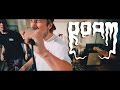
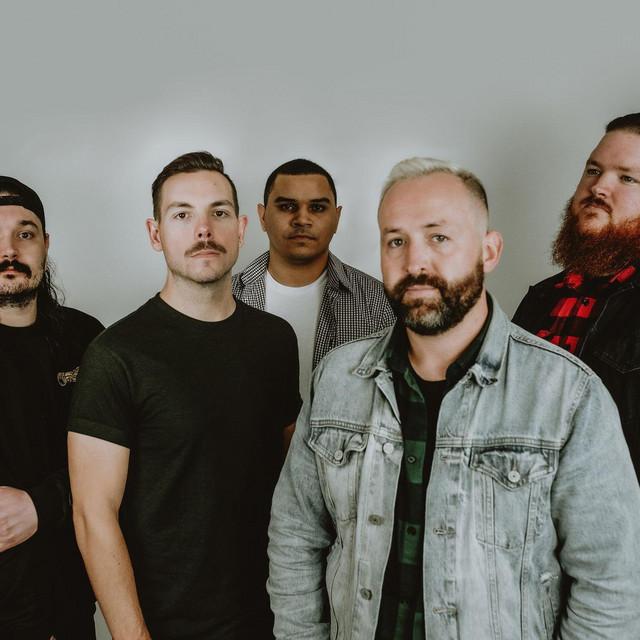
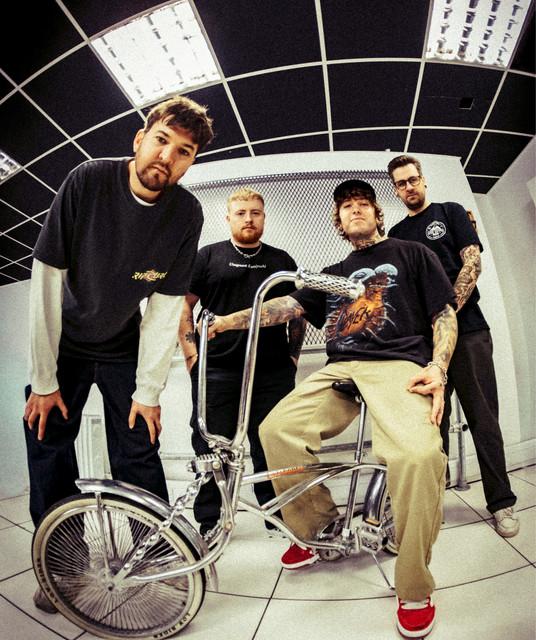
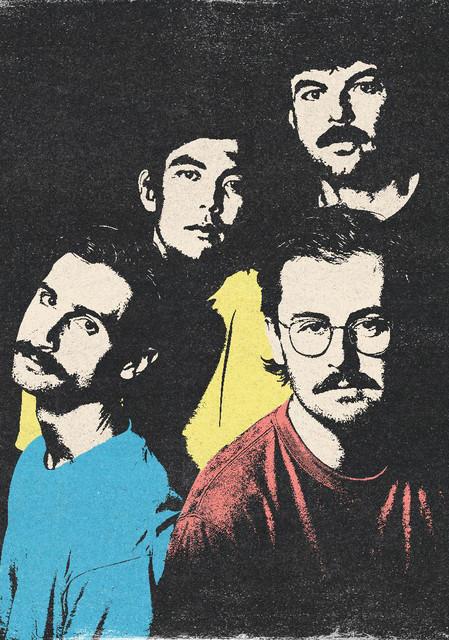
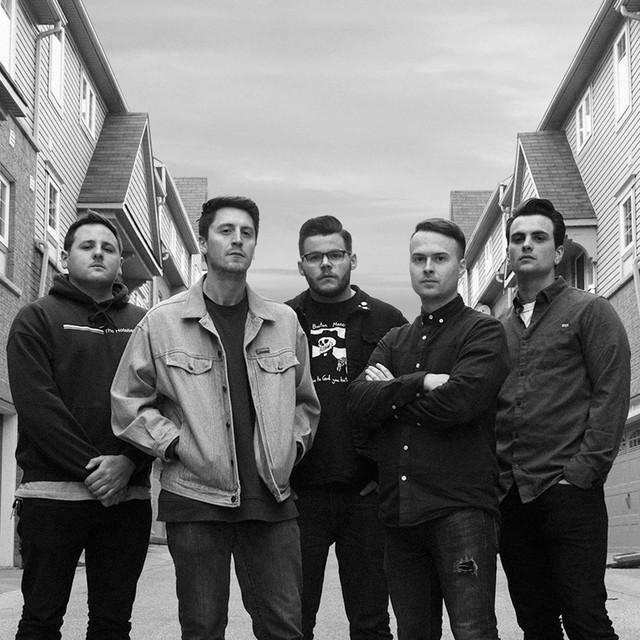
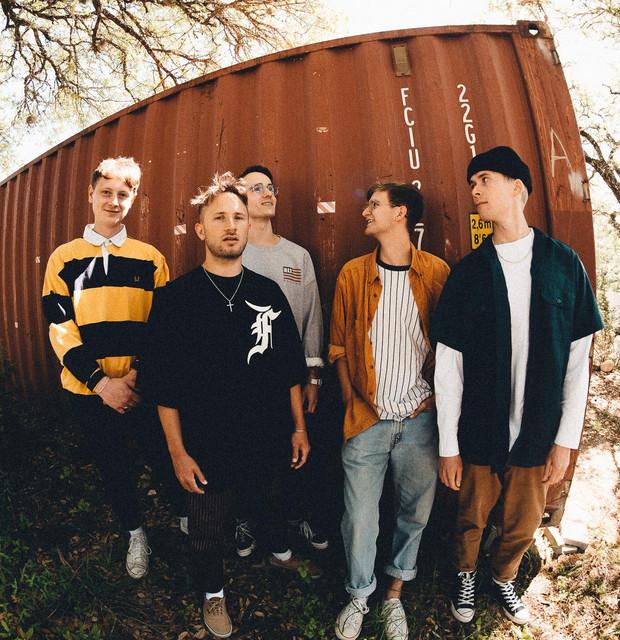
ROAM’s Spotify BioBritish pop-punk band Roam formed in Eastbourne, England in 2012. Taking cues from New Found Glory, blink-182, Sum 41, and Simple Plan, the group's high-energy, urgent vocals, kinetic riffs, and pogo drums resurrected the pre-screamo sounds of the early-aughts' pop-punk boom, much like Paramore or All Time Low. After formation, the band -- Alex Costello (lead vocals), Alex Adam (vocals and guitar), Sam Veness (guitar), Matt Roskilly (bass), and Charlie Pearson (drums) -- recorded a pair of independent EPs: No Common Ground (2012) and Head Down (2013). They were signed to Hopeless Records in 2014 and released a third EP (Viewpoint) a year later. In early 2016, Roam released their debut full-length, Backbone, produced by Drew Lawson at Steel City Studios, followed by a sophomore long-player, Great Heights & Nosedives, in 2017. Two years later, the band returned with a third effort, Smile Wide. ~ Neil Z. Yeung, Rovi
Viberate is a music analytics platform built for A&Rs, artist managers, labels, booking agents, marketers, and artists.
It helps music professionals track artist growth, analyze audience data, monitor playlist activity, compare artists, follow song performance, and identify opportunities across the music market.
Public artist pages provide a free preview of selected artist data. Paid plans provide access to deeper analytics, historical data, charts, comparisons, playlist tools, exports, alerts, reports, and additional professional features.
Yes. Public Viberate artist pages provide selected artist analytics and music data for free.
Viberate also offers a 7-day free trial of the full platform. A credit card is required to start the trial. The trial includes access to the complete product so users can test deeper artist analytics, historical views, playlist insights, comparisons, charts, exports, alerts, and reporting features before choosing a paid plan.
Viberate provides artist analytics across streaming, playlists, social media, video, radio airplay, songs, and audience markets.
Users can analyze Spotify performance, Spotify and Apple Music playlists, YouTube activity, TikTok and Instagram growth, radio spins, song performance, audience locations, demographics, rankings, and overall artist momentum.
Artist profiles also connect to music charts, similar artists, and comparison tools, helping users benchmark performance and evaluate artists in context.
Viberate updates key artist and track data daily.
For followed artists and tracks, selected data is refreshed multiple times per day. This helps teams monitor playlist changes, streaming movement, audience growth, releases, and campaign performance with more current data.
Update frequency can vary depending on the metric and data source.
Yes. Viberate lets users compare up to five artists side by side across streaming, social media, audience, and engagement metrics.
Users can compare fanbase growth, audience demographics, locations, Spotify performance, social metrics, and other artist data over selected time periods.
Artist comparison can be used for A&R scouting, benchmarking, booking decisions, campaign planning, and evaluating artists with similar audiences or market positions.