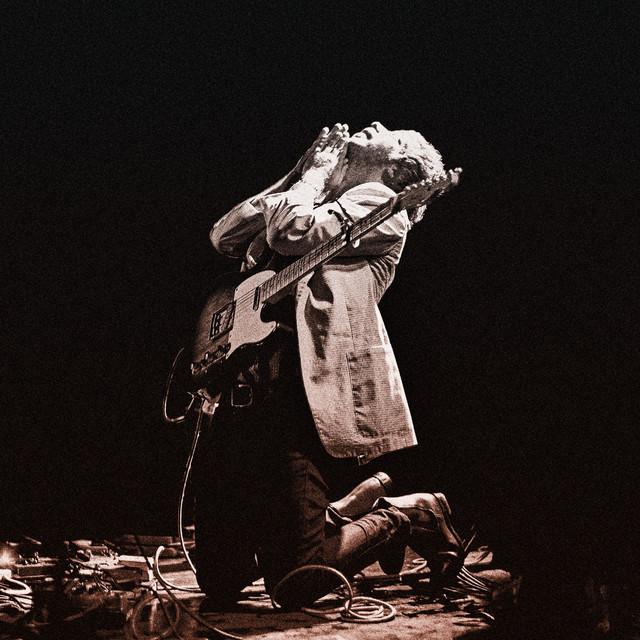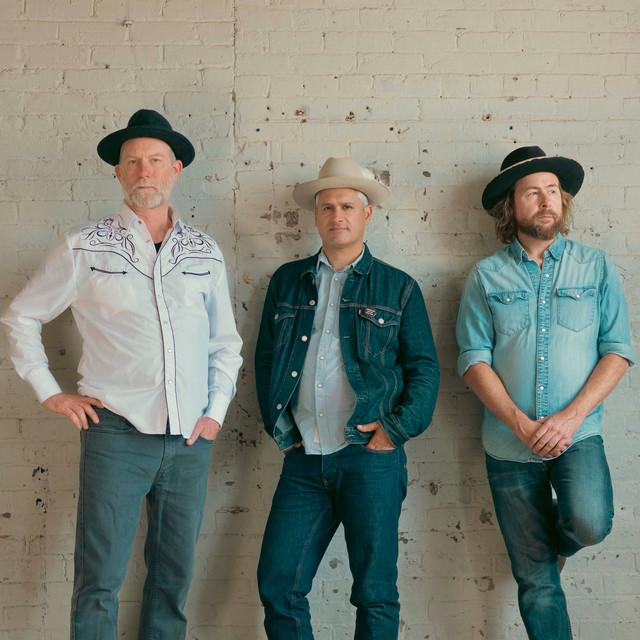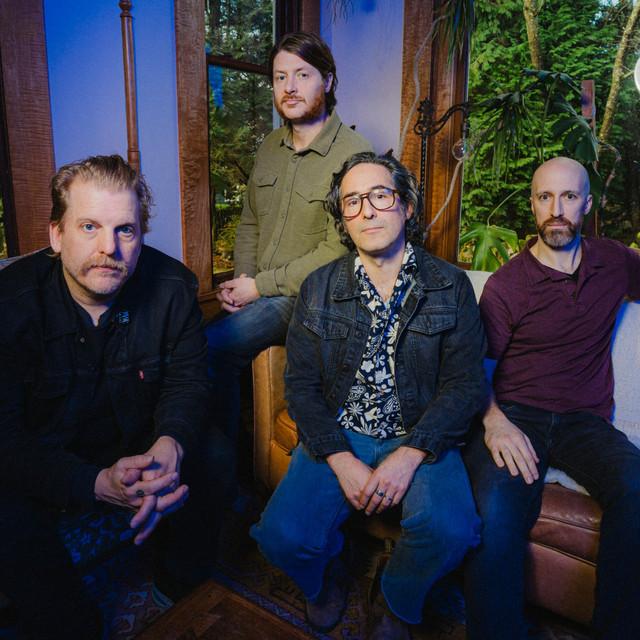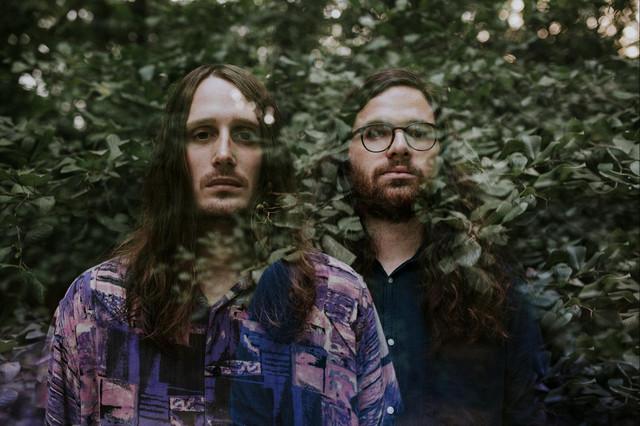
Roadkill Ghost Choir

Rock
Indie Rock
Indie Folk
 Viberate Rank: 181951
 Viberate Rank: 181951
 Monthly ListenersFollowers
 Subscribers
 Followers
 Followers
 FansTop Spotify Songs
| Track | 7-Day Streams | |
|---|---|---|
1 | 26.17K | |
2 | 2.70K | |
3 | 1.24K | |
4 | 266 | |
5 | 234 |
Top YouTube Videos| Video | 7-Day Views | |
|---|---|---|
1 | 12 |
Monthly ListenersFeatured in Playlists| Playlist | Followers | |
|---|---|---|
1 |  Spooky Banjo Time Pawns or Kings | 213.07K |
2 |  Snowboarding Playlist Zac Fletcher | 57.45K |
3 | ultimate road trip irelandmelchior | 32.57K |
4 |  That One Vibe Ethan Kludt-Painter | 21.84K |
5 | Indie & Folk Erica Anne Benoit | 20.86K |
Audience| City | Monthly Listeners | |
|---|---|---|
1 | | 1.19K |
2 | | 845 |
3 | | 789 |
4 | | 666 |
5 |  | 653 |
See full performance history, audience data, playlist activity, rankings, comparisons, and more in Viberate music analytics. Start with a free trial, then continue with a paid plan.
Roadkill Ghost Choir’s Spotify BioRoadkill Ghost Choir are an indie rock band whose music combines the languid but emotionally charged approach of indie rock with a Southern gothic undertow, articulated through the voices of banjo and pedal steel guitar. Roadkill Ghost Choir were formed by lead vocalist and songwriter Andrew Shepard in in DeLand, Florida in 2011; Shepard had been booked to play a solo show at a local club, but soon decided he preferred to have a band for the occasion. Shepard rounded up a backing combo from his friends and siblings: guitarist Stephen Gaza was in a band called Introduction to Sunshine, Andrew's brothers Zach Shepard (bass) and Maxx Shepard (drums) had worked with the Quiet Men, as did pedal steel and banjo man Kiffy Meyer, and Joe Davoli on keys and trumpet had played in the group Loud Valley. The musicians were pleased with the show and decided to continue working together, and Roadkill Ghost Choir were born. The band earned a reputation in Florida and began touring throughout the… South and East Coast, and in 2013, the group released a Kickstarter-funded EP, Quiet Light. The EP received enthusiastic reviews, and as positive word of mouth began to spread, Roadkill Ghost Choir began landing bigger and better bookings, including appearances at the Austin City Limits and Governor's Ball festivals, and a spot on The Late Show with David Letterman. in 2013, Roadkill Ghost Choir began work on their first full-length album, though not long after the sessions were finished the group was pared down to a quintet by the departure of Joe Davoli. In the summer of 2014, the band released In Tongues and set out for more touring, including appearances at the Bonnaroo and Lollapalooza festivals. ~ Mark Deming, Rovi
Viberate is a music analytics platform built for A&Rs, artist managers, labels, booking agents, marketers, and artists.
It helps music professionals track artist growth, analyze audience data, monitor playlist activity, compare artists, follow song performance, and identify opportunities across the music market.
Public artist pages provide a free preview of selected artist data. Paid plans provide access to deeper analytics, historical data, charts, comparisons, playlist tools, exports, alerts, reports, and additional professional features.
Yes. Public Viberate artist pages provide selected artist analytics and music data for free.
Viberate also offers a 7-day free trial of the full platform. A credit card is required to start the trial. The trial includes access to the complete product so users can test deeper artist analytics, historical views, playlist insights, comparisons, charts, exports, alerts, and reporting features before choosing a paid plan.
Viberate provides artist analytics across streaming, playlists, social media, video, radio airplay, songs, and audience markets.
Users can analyze Spotify performance, Spotify and Apple Music playlists, YouTube activity, TikTok and Instagram growth, radio spins, song performance, audience locations, demographics, rankings, and overall artist momentum.
Artist profiles also connect to music charts, similar artists, and comparison tools, helping users benchmark performance and evaluate artists in context.
Viberate updates key artist and track data daily.
For followed artists and tracks, selected data is refreshed multiple times per day. This helps teams monitor playlist changes, streaming movement, audience growth, releases, and campaign performance with more current data.
Update frequency can vary depending on the metric and data source.
Yes. Viberate lets users compare up to five artists side by side across streaming, social media, audience, and engagement metrics.
Users can compare fanbase growth, audience demographics, locations, Spotify performance, social metrics, and other artist data over selected time periods.
Artist comparison can be used for A&R scouting, benchmarking, booking decisions, campaign planning, and evaluating artists with similar audiences or market positions.