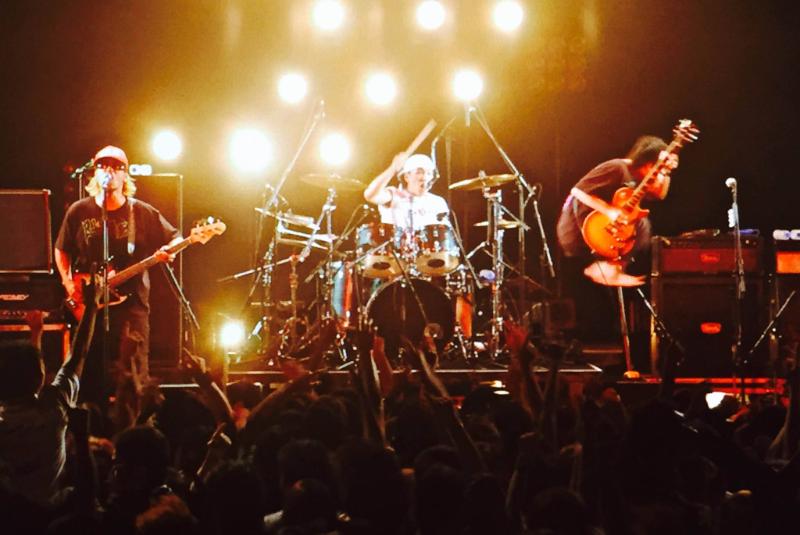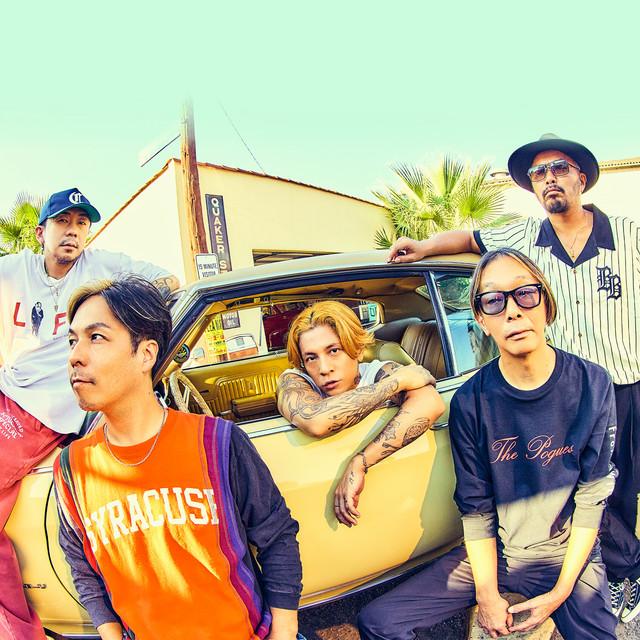
RIZE

Rock
Alternative Rock
Pop Rock
 Viberate Rank: 82897
 Viberate Rank: 82897
 Monthly ListenersFollowers
 Subscribers
 Followers
 Followers
 FansTop Spotify Songs
| Track | 7-Day Streams | |
|---|---|---|
1 | 7.80K | |
2 | 4.56K | |
3 | 3.71K | |
4 | 3.66K | |
5 | 2.21K |
Top YouTube VideosMonthly ListenersFeatured in Playlists| Playlist | Followers | |
|---|---|---|
1 |  Rock Anthems Japan 00s Spotify | 57.51K |
2 |  Gintama | openings & endings AniPlaylist | 34.22K |
3 |  銀魂 OP/ED 完全版 (第一期〜劇場版「銀魂 THE FINAL」) ALL Intro/Outro nari | 33.88K |
4 |  Gintama Series Spotify | 31.75K |
5 |  FM802 RADIO CRAZY 2024 Spotify | 22.18K |
Audience| City | Monthly Listeners | |
|---|---|---|
1 | | 2.22K |
2 | | 1.88K |
3 | | 1.18K |
4 | | 702 |
5 | | 571 |
See full performance history, audience data, playlist activity, rankings, comparisons, and more in Viberate music analytics. Start with a free trial, then continue with a paid plan.
RIZE’s Spotify BioWhen a style is in vogue, every scene wants some. That's certainly true in the case of Rize, who provided a fix of nu metal for Japan in the early 2000s -- they owed a huge debt to Limp Bizkit, but compensated for that with their powerful delivery and ability to branch out (their late-2000s work added a reggae vibe). The band was established in 1997 by Jesse, son of the popular guitar player Char and a guitarist/vocalist in his own right, and drummer Nobuaki Kaneko. Finding their bassist in Tokie, they entered the inevitable demo/club gigs phase, which lasted until 2000, when a performance at the tenth Kitazawa Music Festival got them a deal with Epic Records. That year, their debut single, "Kaminari," was followed by "Why I'm Me" and then their first studio album, Rookey, which charted at number eight -- a very good result for a trio of newcomers. The initial success was followed by a lineup shift -- Tokie left for Ajico, her place taken by U:zo, and second guitarist Nakao Yoshihiro… joined the group as well -- but the changes didn't deter Rize. In 2001, they played big fests like Rock in Japan and Summer Sonic; did "I Can't Live Without My Radio," the theme song of the FM Festival; recorded with Zeebra; and completed their second album, Foreplay, in Los Angeles. More high-profile live mayhem ensued in 2002, the most notable gig being the 30,000-strong ETP Festival, organized in South Korea by the national rock legend Seo Tai-Ji and billed as the biggest field festival of its time.
Rize's third album, Natural Vibes, came out before the end of 2002 and included the single "Vibration," done with the up-and-coming reggae-pop duo Def Tech. More collaborations followed in the westward direction: Jesse played with the Beastie Boys at the Tibetan Freedom Concert and appeared on Crazy Town's single "Hurt You So Bad" (credited as Jroc), and Rize hit the road with rapcore units Kottonmouth Kings and Phunk Junkeez in the U.S. That finally exhausted Rize's batteries, and they stopped until 2005, when they released a best-of and fourth album Spit & Yell; switched bassists (U:zo was replaced by Nobuaki's brother KenKen); and resumed live activities, with the highlight shows in 2005-2008 including Live 8 and the Japanese leg of Live Earth, Hide Memorial Day and Hide Memorial Summit, and a tour with Acidman. In 2006 Rize also founded Far Eastern Tribe Records (a subsidiary of Universal), which handled their new records: the album Alterna that was released in 2007 (spawning the single "Lady Love," used in the anime Shion No Ou) and the sixth full-length, K.O., which followed in 2008. Nakao quit Rize after K.O. came out, leaving the band reduced to a trio and focusing on side projects for the duration of 2009, when Jesse collaborated with Uzumaki, and Kaneko prepared a solo album. ~ Alexey Eremenko, Rovi
Viberate is a music analytics platform built for A&Rs, artist managers, labels, booking agents, marketers, and artists.
It helps music professionals track artist growth, analyze audience data, monitor playlist activity, compare artists, follow song performance, and identify opportunities across the music market.
Public artist pages provide a free preview of selected artist data. Paid plans provide access to deeper analytics, historical data, charts, comparisons, playlist tools, exports, alerts, reports, and additional professional features.
Yes. Public Viberate artist pages provide selected artist analytics and music data for free.
Viberate also offers a 7-day free trial of the full platform. A credit card is required to start the trial. The trial includes access to the complete product so users can test deeper artist analytics, historical views, playlist insights, comparisons, charts, exports, alerts, and reporting features before choosing a paid plan.
Viberate provides artist analytics across streaming, playlists, social media, video, radio airplay, songs, and audience markets.
Users can analyze Spotify performance, Spotify and Apple Music playlists, YouTube activity, TikTok and Instagram growth, radio spins, song performance, audience locations, demographics, rankings, and overall artist momentum.
Artist profiles also connect to music charts, similar artists, and comparison tools, helping users benchmark performance and evaluate artists in context.
Viberate updates key artist and track data daily.
For followed artists and tracks, selected data is refreshed multiple times per day. This helps teams monitor playlist changes, streaming movement, audience growth, releases, and campaign performance with more current data.
Update frequency can vary depending on the metric and data source.
Yes. Viberate lets users compare up to five artists side by side across streaming, social media, audience, and engagement metrics.
Users can compare fanbase growth, audience demographics, locations, Spotify performance, social metrics, and other artist data over selected time periods.
Artist comparison can be used for A&R scouting, benchmarking, booking decisions, campaign planning, and evaluating artists with similar audiences or market positions.