River Fury

Rock
Alternative Rock
Indie Rock
 Viberate Rank: 631318
 Viberate Rank: 631318
 Monthly ListenersFollowers
 Subscribers
 Followers
 Followers
 FansTop Spotify Songs
| Track | 7-Day Streams | |
|---|---|---|
1 | 11 | |
2 | 4 | |
3 | 2 | |
4 | 1 |
Top YouTube VideosMonthly ListenersFeatured in Playlists| Playlist | Followers | |
|---|---|---|
1 |  alexrainbirdMusic 2019 alexrainbirdMusic | 11.79K |
2 |  mood: emo | pop punk | punk rock RIGHT NOW! | 5.21K |
3 |  Indie/Rock/Alt Compilation - January 2019 (alexrainbirdMusic) alexrainbirdMusic | 2.78K |
4 |  2010's Punk Rock musicsfavorites | 1.64K |
Audience| City | Monthly Listeners | |
|---|---|---|
1 |  | 3 |
See full performance history, audience data, playlist activity, rankings, comparisons, and more in Viberate music analytics. Start with a free trial, then continue with a paid plan.
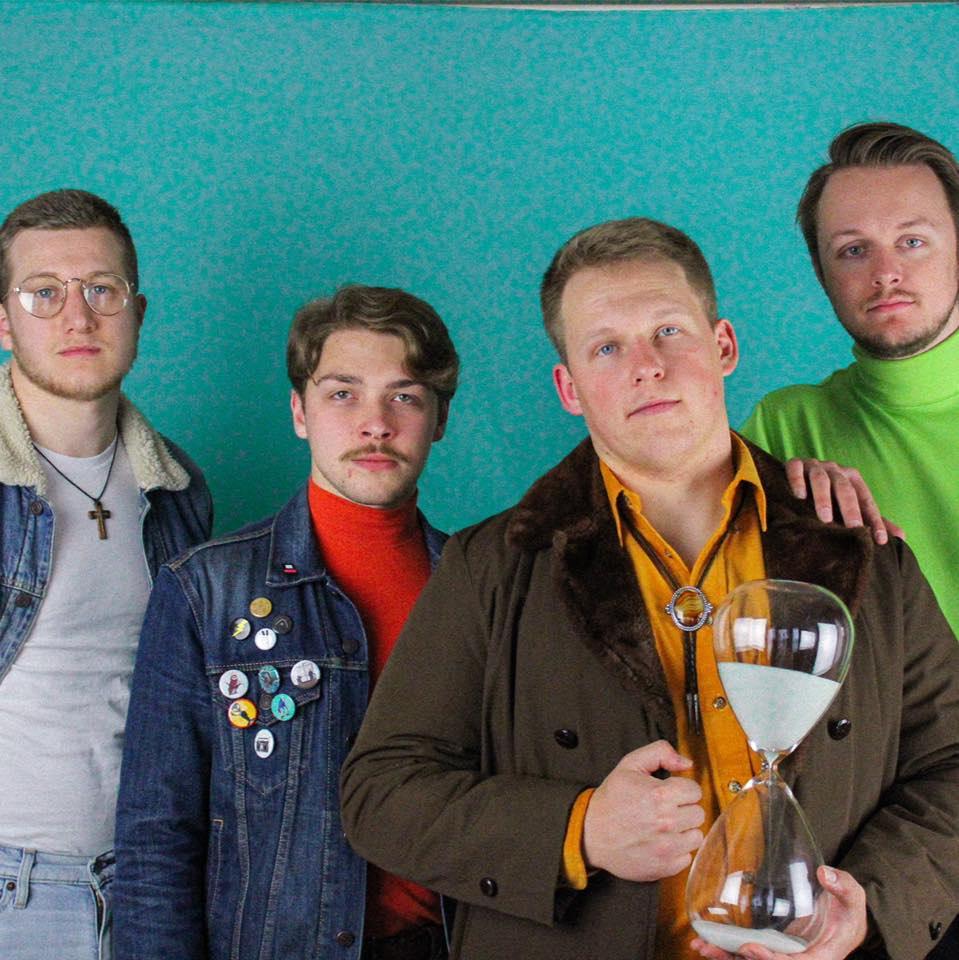
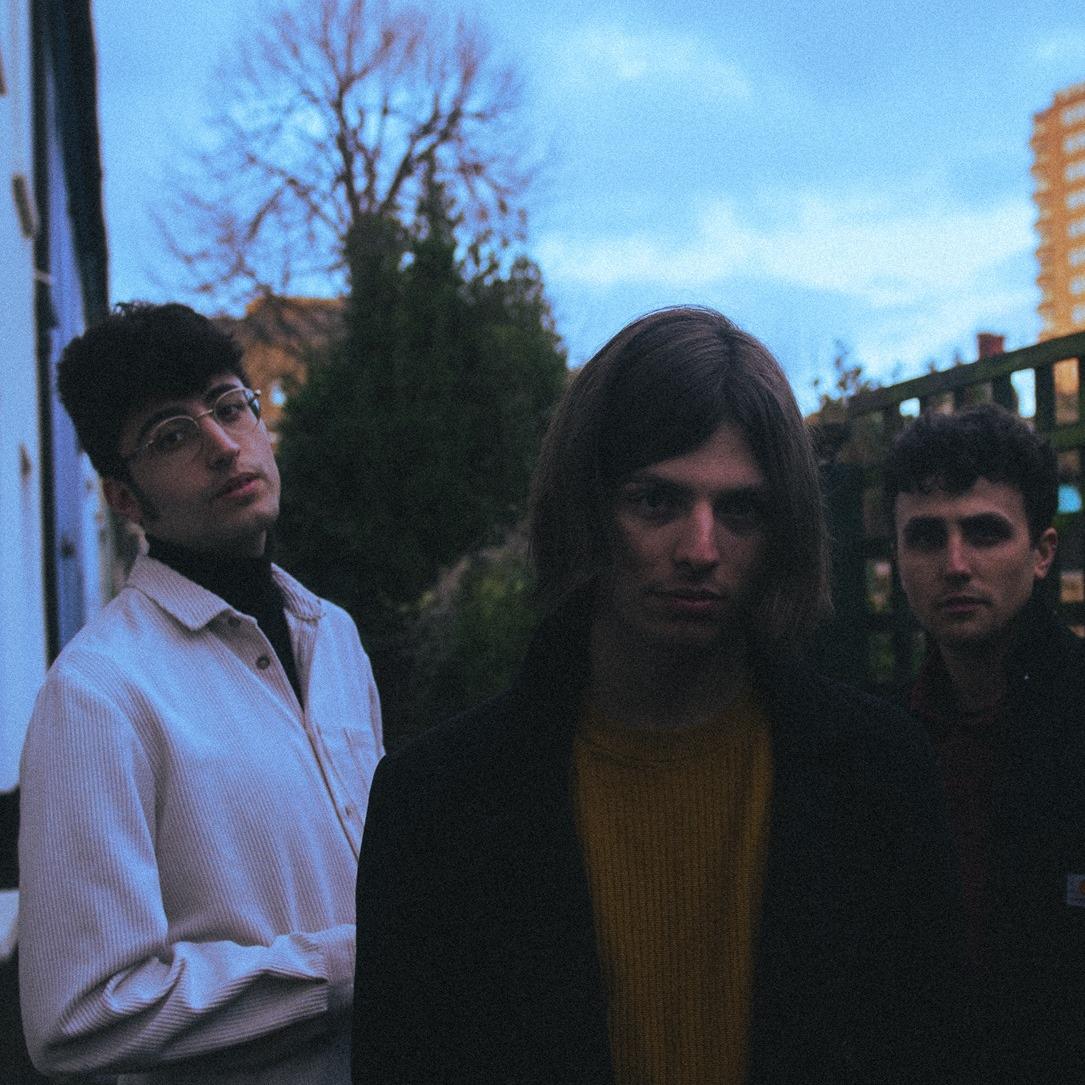
River Fury’s Spotify BioOnce upon a time two solo performers on the London open mic circuit, Dan Howe and Patric Nutton, met whilst billed at the same gig at the Haverstock Arms near Camden Town, December 2009, they bonded over mutual respect for each other’s music and friendship and songwriting partnership followed; the band they formed, River Fury, are one of the best bands that you’ve probably never heard.
In 2013, joined by Callum Hayes on bass & bvs & Andrew Gallop on drums and percussion, they began recording their first album produced by Ed Ripley, but the record never took off and hit singles eluded them, as did radio play. Nevertheless the band notched up shows at 93 Feet East, Dublin Castle, Mean Fiddler, various other well known London grassroots venues, with a steady following.
Despite the lack of PR they continued to plug away even though they gradually moved to different corners of the country, all four becoming fathers.
Patric moved south to Kent, Dan moved out to the Midlands, Callum to… Winchester, & although he remained in London, Andy toured with other acts.
During 2022/ 2023 the recorded another collection of even more raucous rock tracks in their bedroom studios bringing in the talented Ed Ripley once more add his production magic to the mix.
Now the band are embarking on release schedule that will see each track released one by one over the next few years to see once again if they can keep their small but loyal fan base going & follow up with some live shows in 2024/2025
Viberate is a music analytics platform built for A&Rs, artist managers, labels, booking agents, marketers, and artists.
It helps music professionals track artist growth, analyze audience data, monitor playlist activity, compare artists, follow song performance, and identify opportunities across the music market.
Public artist pages provide a free preview of selected artist data. Paid plans provide access to deeper analytics, historical data, charts, comparisons, playlist tools, exports, alerts, reports, and additional professional features.
Yes. Public Viberate artist pages provide selected artist analytics and music data for free.
Viberate also offers a 7-day free trial of the full platform. A credit card is required to start the trial. The trial includes access to the complete product so users can test deeper artist analytics, historical views, playlist insights, comparisons, charts, exports, alerts, and reporting features before choosing a paid plan.
Viberate provides artist analytics across streaming, playlists, social media, video, radio airplay, songs, and audience markets.
Users can analyze Spotify performance, Spotify and Apple Music playlists, YouTube activity, TikTok and Instagram growth, radio spins, song performance, audience locations, demographics, rankings, and overall artist momentum.
Artist profiles also connect to music charts, similar artists, and comparison tools, helping users benchmark performance and evaluate artists in context.
Viberate updates key artist and track data daily.
For followed artists and tracks, selected data is refreshed multiple times per day. This helps teams monitor playlist changes, streaming movement, audience growth, releases, and campaign performance with more current data.
Update frequency can vary depending on the metric and data source.
Yes. Viberate lets users compare up to five artists side by side across streaming, social media, audience, and engagement metrics.
Users can compare fanbase growth, audience demographics, locations, Spotify performance, social metrics, and other artist data over selected time periods.
Artist comparison can be used for A&R scouting, benchmarking, booking decisions, campaign planning, and evaluating artists with similar audiences or market positions.