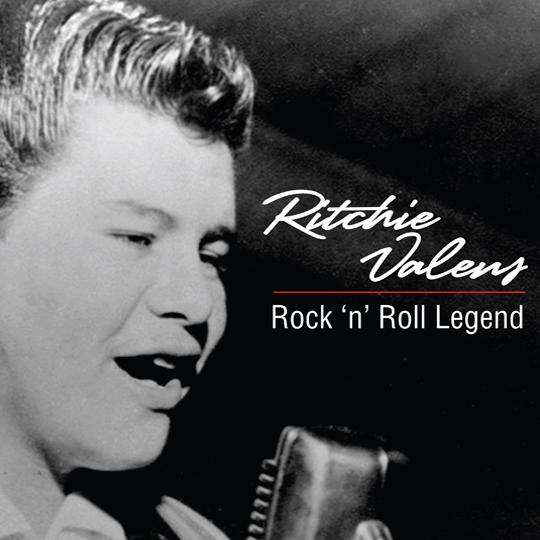
Ritchie Valens

Rock
Pop Rock
Soul
 Viberate Rank: 11205
 Viberate Rank: 11205
 Monthly ListenersFollowers
 Subscribers
 Followers
 Followers
 FansTop Spotify Songs
| Track | 7-Day Streams | |
|---|---|---|
1 | 947.00K | |
2 | 424.35K | |
3 | 403.34K | |
4 | 164.75K | |
5 | 32.55K |
Top YouTube Videos| Video | 7-Day Views | |
|---|---|---|
1 | 31.25K | |
2 | 24.93K | |
3 | 9.40K | |
4 | 1.76K | |
5 | 751 |
Monthly ListenersFeatured in Playlists| Playlist | Followers | |
|---|---|---|
1 |  All Out 50s Spotify | 1.89M |
2 |  Classic Oldies Spotify | 1.46M |
3 |  Feel Good Summer Spotify | 609.21K |
4 |  Feel Good Classics Spotify | 565.91K |
5 |  Top 100 Greatest Songs of All Time IndieMassive Hits | 390.52K |
Audience| City | Monthly Listeners | |
|---|---|---|
1 |  | 93.84K |
2 | | 62.23K |
3 |  | 38.87K |
4 | | 35.48K |
5 | | 31.41K |
See full performance history, audience data, playlist activity, rankings, comparisons, and more in Viberate music analytics. Start with a free trial, then continue with a paid plan.
Ritchie Valens’ Spotify BioThe first Hispanic rock star, Ritchie Valens will forever be known as one of the two musicians (along with the Big Bopper) who perished with Buddy Holly in 1959, when their private plane crashed in the midst of a Midwest tour. At the time, Valens had only recently established himself as one of the most promising young talents in rock & roll, just barely missing the top of the charts with "Donna," a number two hit, and pioneering a blend of rock and Latin music with the single's almost equally popular flip side, "La Bamba." Like many rock stars who died prematurely, it's difficult to assess his unrealized potential; he was only 17 at the time of his death, and had just barely begun to make records. Nevertheless, Valens' music has endured for decades.
Ricardo Esteban Valenzuela Reyes was raised in a Mexican-American household in the San Fernando Valley. He played several instruments as a child and eventually devoted most of his focus to the guitar, learning a right-hand version of the… guitar despite his own left-handedness. Valens' musical influences were diverse, running the gamut from Little Richard and rockabilly to traditional Mexican genres like mariachi, and his talent on the guitar earned him a spot in a local band, the Silhouettes, when he was 16. Valens eventually became the band's frontman. While playing at a local movie theater in 1958, he was discovered by producer Bob Keane, who signed Valens to his Del-Fi label and convinced him to shorten his surname to "Valens," claiming the abbreviated version had broader appeal than "Valenzuela." Under Keane's wing, Valens entered a Los Angeles recording studio in July and emerged with "Come on Let's Go," which climbed to number 42 on the national charts.
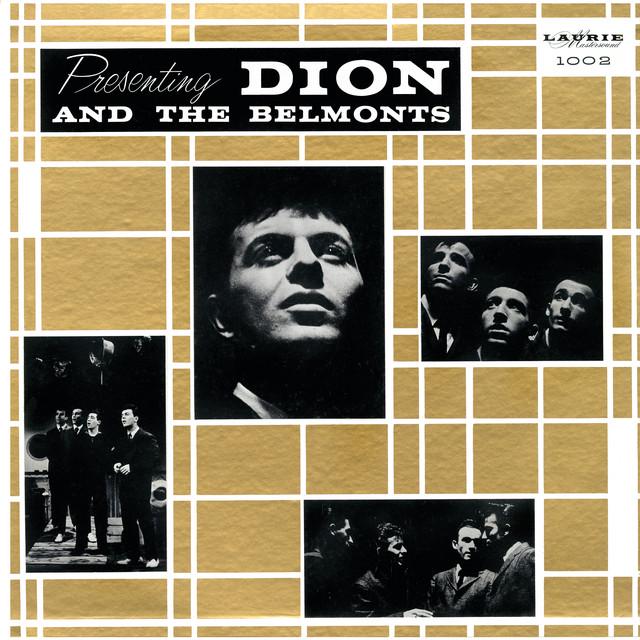
By the end of 1958, Valens had quit high school in order to focus on his career, which had skyrocketed after his second single, "Donna," climbed to number two. Also enjoying a good amount of popularity was the single's innovative flip side, "La Bamba," a rocked-up Mexican folk song performed entirely in Spanish. "La Bamba" featured some fierce guitar work, as well as the thick sound of the Danelectro bass, which gave the instrument more electric presence than it had previously enjoyed on any rock & roll disc. Valens was subsequently hailed as one of rock & roll's teen idols, and he hit road in early 1959 alongside Buddy Holly, the Big Bopper, Dion & the Belmonts, and Frankie Sardo.
Billed as "the Winter Dance Party," the tour was originally scheduled to hit 24 Midwestern cities over the course of three weeks. The musicians all shared a single bus, whose heater broke several days into the tour, worsening the long drives between each show. By the time the Winter Dance Party rolled into Clear Lake, Iowa, on February 2, Buddy Holly had grown tired of the chilly conditions and decided to book a plane in order to fly to the show's next stop. After that evening's show at the Surf Ballroom, Holly boarded the plane along with Valens and J.P. "The Big Bopper" Richardson. The aircraft crashed several minutes after takeoff, though, instantly killing pilot Roger Peterson along with all three of his passengers. Ritchie Valens was 17 years old.
Valens only had about two albums' worth of material in the can, as well as some lo-fi live tapes of a gig at a local junior high, before his death; undoubtedly, some (or many) of these were demos or unfinished tracks. Other singers emulated Valens' Mexican-American brand of rock in the following years, most notably Chan Romero (originator of "Hippy Hippy Shake," who also recorded for Bob Keane's Del-Fi label and used some of the same musicians who had backed Valens) and Chris Montez. In the 1980s and 1990s, the L.A.-based Latino rock band Los Lobos were often cited for reflecting Valens' influence, and groups like Los Lonely Boys carried the torch of Chicano rock into the 21st century. Meanwhile, the 1987 film La Bamba (whose soundtrack heavily featured Los Lobos) gave his story a glossy Hollywood makeover, exposing Valens' legacy to millions even as it introduced the usual distortions and factual errors in its dramatization of his brief life. ~ Richie Unterberger & Andrew Leahey, Rovi
Viberate is a music analytics platform built for A&Rs, artist managers, labels, booking agents, marketers, and artists.
It helps music professionals track artist growth, analyze audience data, monitor playlist activity, compare artists, follow song performance, and identify opportunities across the music market.
Public artist pages provide a free preview of selected artist data. Paid plans provide access to deeper analytics, historical data, charts, comparisons, playlist tools, exports, alerts, reports, and additional professional features.
Yes. Public Viberate artist pages provide selected artist analytics and music data for free.
Viberate also offers a 7-day free trial of the full platform. A credit card is required to start the trial. The trial includes access to the complete product so users can test deeper artist analytics, historical views, playlist insights, comparisons, charts, exports, alerts, and reporting features before choosing a paid plan.
Viberate provides artist analytics across streaming, playlists, social media, video, radio airplay, songs, and audience markets.
Users can analyze Spotify performance, Spotify and Apple Music playlists, YouTube activity, TikTok and Instagram growth, radio spins, song performance, audience locations, demographics, rankings, and overall artist momentum.
Artist profiles also connect to music charts, similar artists, and comparison tools, helping users benchmark performance and evaluate artists in context.
Viberate updates key artist and track data daily.
For followed artists and tracks, selected data is refreshed multiple times per day. This helps teams monitor playlist changes, streaming movement, audience growth, releases, and campaign performance with more current data.
Update frequency can vary depending on the metric and data source.
Yes. Viberate lets users compare up to five artists side by side across streaming, social media, audience, and engagement metrics.
Users can compare fanbase growth, audience demographics, locations, Spotify performance, social metrics, and other artist data over selected time periods.
Artist comparison can be used for A&R scouting, benchmarking, booking decisions, campaign planning, and evaluating artists with similar audiences or market positions.