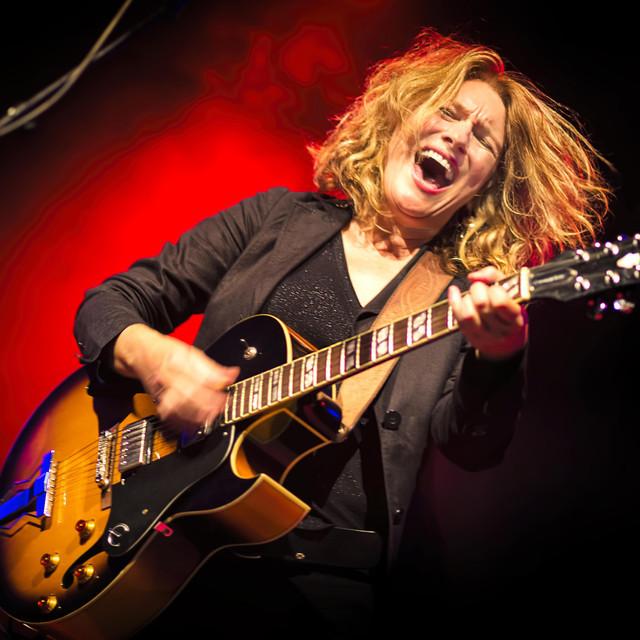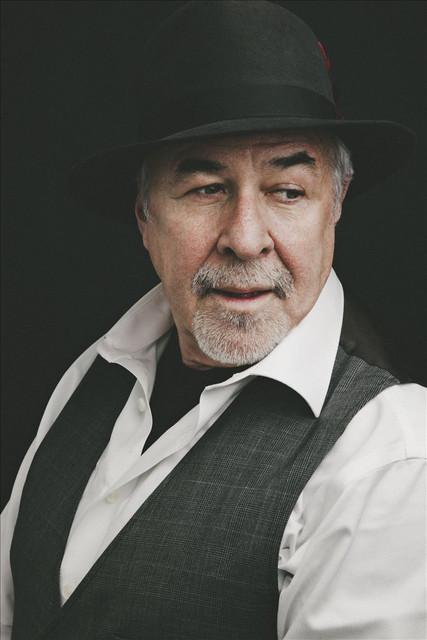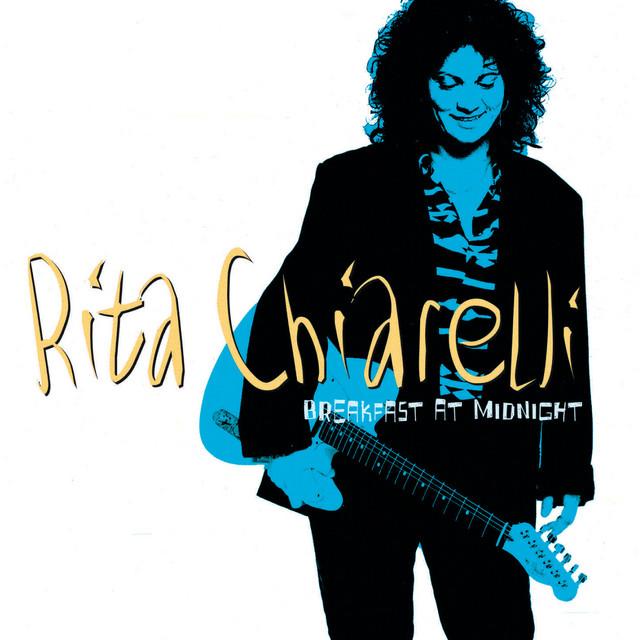
Rita Chiarelli

Blues
Contemporary Blues
Blues Rock
 Viberate Rank: 384666
 Viberate Rank: 384666
 Monthly ListenersFollowers
 Subscribers
 Followers
 Followers
 FansTop Spotify Songs
| Track | 7-Day Streams | |
|---|---|---|
1 | 412 | |
2 | 253 | |
3 | 77 | |
4 | 66 | |
5 | 53 |
Top YouTube VideosMonthly ListenersFeatured in Playlists| Playlist | Followers | |
|---|---|---|
1 |  The Best Female Blues & Jazz Vocals | Don's Tunes Don's Tunes | 14.96K |
2 |  Relaxing Blues Music Relaxing Blues Music | 10.26K |
3 |  The Bluest Blues/ Slow Blues/ Late Night/ Romantic Instumental Blues/ Ballads Stefanos Nicolaidis | 7.91K |
4 |  Romantic Blues Music Relaxing Blues Music | 5.71K |
5 |  Bob Dylan Covers manacc | 5.02K |
Audience| City | Monthly Listeners | |
|---|---|---|
1 | | 57 |
2 | | 44 |
3 |  | 39 |
4 | | 37 |
5 | | 37 |
See full performance history, audience data, playlist activity, rankings, comparisons, and more in Viberate music analytics. Start with a free trial, then continue with a paid plan.
Rita Chiarelli’s Spotify BioRita Chiarelli is one of the most exciting new singers in Canada. Her unique blend of rock and blues has been compared favorably to Bonnie Raitt, Melissa Etheridge, and Susan Tedeschi. In 2000, she was named the "top blues singer" at Canada's Maple Leaf Awards. The world's discovery of Chiarelli comes after years of her paying dues. Singing with Hamilton, Ontario-based group Tempest at the age of 15, she toured throughout North America with a nine-piece R&B band, Battleaxe, after graduating from high school. Chiarelli continued to sharpen her chops as a member of Toronto-based rockabilly pioneer Ronnie Hawkins' group. After a year, however, she moved to Italy, where she worked as a studio vocalist for six years. Returning to Canada in the late '80s, Chiarelli had her first success when her tune "Have You Seen My Shoes?," which was featured in the film Roadkill. Releasing her debut album, Road Rocket, in 1992, she took things a step further with her second effort, Just Gettin' Started,… three years later. Produced by Jane Siberry-producer John Switzer, the album showcased Chiarelli's hook-laden songwriting, with all but one song -- a cover of Elvis Presley's "Love Me" -- original. Long John Baldry covered Chiarelli's song, "Midnight in Berlin," on his 1996 album Right to Sing the Blues. Breakfast at Midnight, released in 2001, includes such guests as ex-Band keyboardist Richard Bell and guitarist Colin Linden. ~ Craig Harris, Rovi
Viberate is a music analytics platform built for A&Rs, artist managers, labels, booking agents, marketers, and artists.
It helps music professionals track artist growth, analyze audience data, monitor playlist activity, compare artists, follow song performance, and identify opportunities across the music market.
Public artist pages provide a free preview of selected artist data. Paid plans provide access to deeper analytics, historical data, charts, comparisons, playlist tools, exports, alerts, reports, and additional professional features.
Yes. Public Viberate artist pages provide selected artist analytics and music data for free.
Viberate also offers a 7-day free trial of the full platform. A credit card is required to start the trial. The trial includes access to the complete product so users can test deeper artist analytics, historical views, playlist insights, comparisons, charts, exports, alerts, and reporting features before choosing a paid plan.
Viberate provides artist analytics across streaming, playlists, social media, video, radio airplay, songs, and audience markets.
Users can analyze Spotify performance, Spotify and Apple Music playlists, YouTube activity, TikTok and Instagram growth, radio spins, song performance, audience locations, demographics, rankings, and overall artist momentum.
Artist profiles also connect to music charts, similar artists, and comparison tools, helping users benchmark performance and evaluate artists in context.
Viberate updates key artist and track data daily.
For followed artists and tracks, selected data is refreshed multiple times per day. This helps teams monitor playlist changes, streaming movement, audience growth, releases, and campaign performance with more current data.
Update frequency can vary depending on the metric and data source.
Yes. Viberate lets users compare up to five artists side by side across streaming, social media, audience, and engagement metrics.
Users can compare fanbase growth, audience demographics, locations, Spotify performance, social metrics, and other artist data over selected time periods.
Artist comparison can be used for A&R scouting, benchmarking, booking decisions, campaign planning, and evaluating artists with similar audiences or market positions.