Rising Shadows

European
Nordic Folk
Neoclassical
 Viberate Rank: 311683
 Viberate Rank: 311683
 Monthly ListenersFollowers
 Subscribers
 Followers
 Followers
 FansTop Spotify Songs
| Track | 7-Day Streams | |
|---|---|---|
1 | 2.66K | |
2 | 1.15K | |
3 | 635 | |
4 | 556 | |
5 | 378 |
Top YouTube VideosMonthly ListenersFeatured in Playlists| Playlist | Followers | |
|---|---|---|
1 |  Medieval Ambient Ville Pelkonen | 82.74K |
2 |  DARK AMBIENT (HORROR MUSIC) Eradiel.exe | 74.02K |
3 |  GREGORIAN DARK CHANTS Eradiel.exe | 25.43K |
4 |  Victorian Vampire/Gothic Classical French Dad | 16.51K |
5 |  Wiccan Music ☽☾ Salem Vibes Wander World Music | 15.71K |
Audience| City | Monthly Listeners | |
|---|---|---|
1 |  | 252 |
2 |  | 125 |
3 |  | 121 |
4 | | 99 |
5 |  | 99 |
See full performance history, audience data, playlist activity, rankings, comparisons, and more in Viberate music analytics. Start with a free trial, then continue with a paid plan.
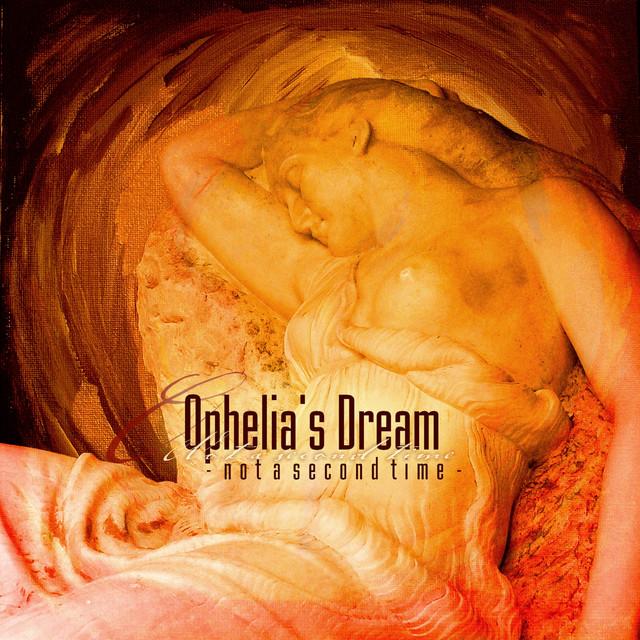
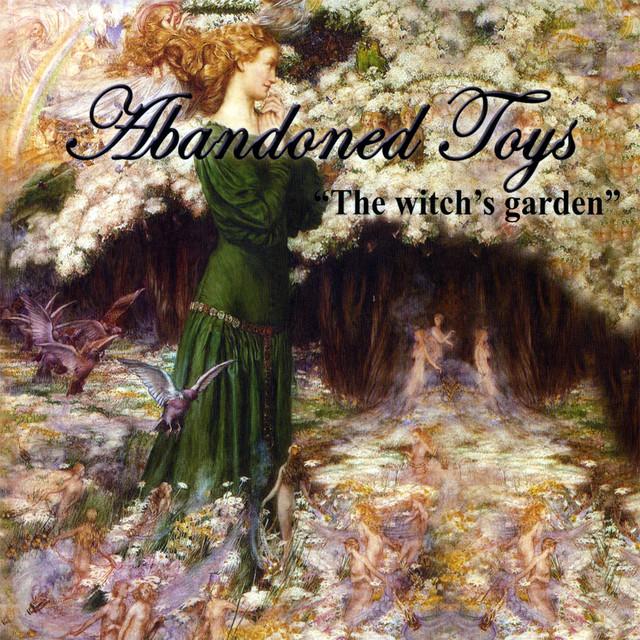
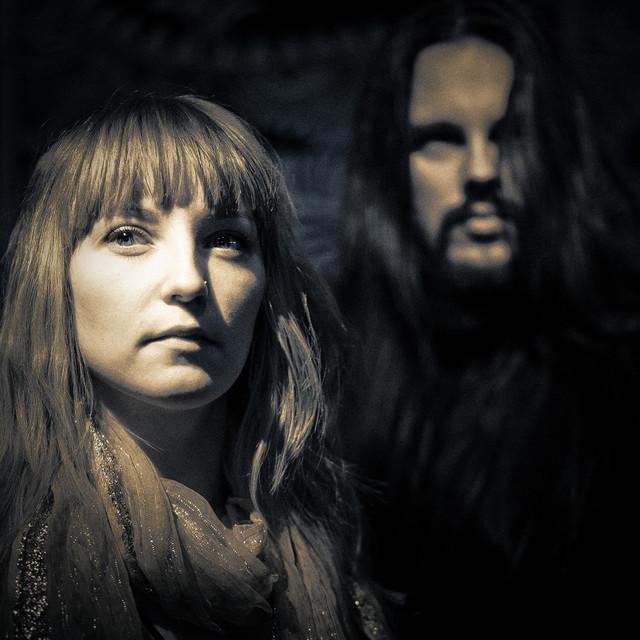
Rising Shadows’ Spotify BioThe music of Swedish duo Rising Shadows isn't easily defined in a genre but more so in mood and influences. Dreamy and atmospheric musical textures make for a sound that draws upon both modern and classical inspiration. Rising Shadows is a music outfit treading outside the traditional Neoclassical Darkwave boundaries, blending warmth of unusual worldly instrumentation and harshness of cold northern electronic influences.
What originally started out as a instrumental project of composer Fredrik Klingwall in 1996, became a duo with the addition of vocalist Linda-li in 2004. Twilight Records took up on the new sound and released the debutalbum FALLING DEEP WITHIN in 2006.
For the recording of their second album FOUND IN THE COLD in 2008 they were joined by ex-Katatonia bassist Guillaume Le Huche. The result was a cold and dark album where the bass lines were complemented by distorted organs and experimental vocal sounds of Linda-li.
When the band was recording of their third album Guillaume… decided to leave the band. Instead of finding a new permanent member they utilising several session members and working with producer Mattias Olsson to finalise FINIS GLORIAE MUNDI which was released in autumn 2010. The cold sounds had been replaced by a warmer tone and featuring instruments such as Sitar, Bouzouki and rare percussions.
Viberate is a music analytics platform built for A&Rs, artist managers, labels, booking agents, marketers, and artists.
It helps music professionals track artist growth, analyze audience data, monitor playlist activity, compare artists, follow song performance, and identify opportunities across the music market.
Public artist pages provide a free preview of selected artist data. Paid plans provide access to deeper analytics, historical data, charts, comparisons, playlist tools, exports, alerts, reports, and additional professional features.
Yes. Public Viberate artist pages provide selected artist analytics and music data for free.
Viberate also offers a 7-day free trial of the full platform. A credit card is required to start the trial. The trial includes access to the complete product so users can test deeper artist analytics, historical views, playlist insights, comparisons, charts, exports, alerts, and reporting features before choosing a paid plan.
Viberate provides artist analytics across streaming, playlists, social media, video, radio airplay, songs, and audience markets.
Users can analyze Spotify performance, Spotify and Apple Music playlists, YouTube activity, TikTok and Instagram growth, radio spins, song performance, audience locations, demographics, rankings, and overall artist momentum.
Artist profiles also connect to music charts, similar artists, and comparison tools, helping users benchmark performance and evaluate artists in context.
Viberate updates key artist and track data daily.
For followed artists and tracks, selected data is refreshed multiple times per day. This helps teams monitor playlist changes, streaming movement, audience growth, releases, and campaign performance with more current data.
Update frequency can vary depending on the metric and data source.
Yes. Viberate lets users compare up to five artists side by side across streaming, social media, audience, and engagement metrics.
Users can compare fanbase growth, audience demographics, locations, Spotify performance, social metrics, and other artist data over selected time periods.
Artist comparison can be used for A&R scouting, benchmarking, booking decisions, campaign planning, and evaluating artists with similar audiences or market positions.