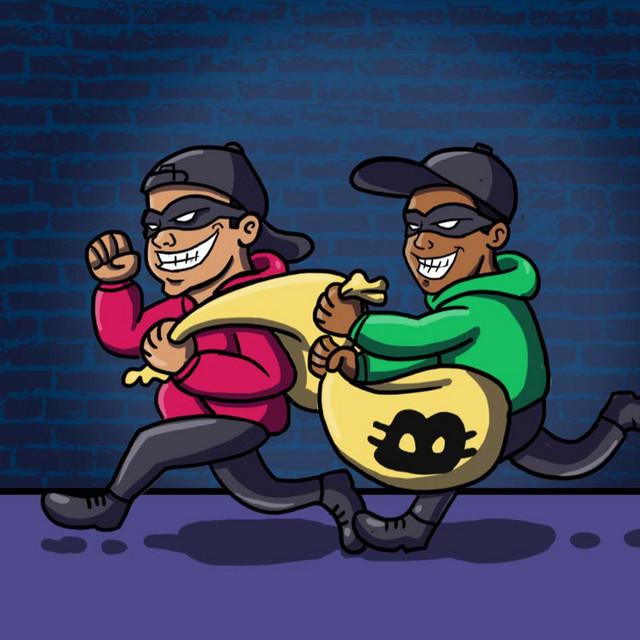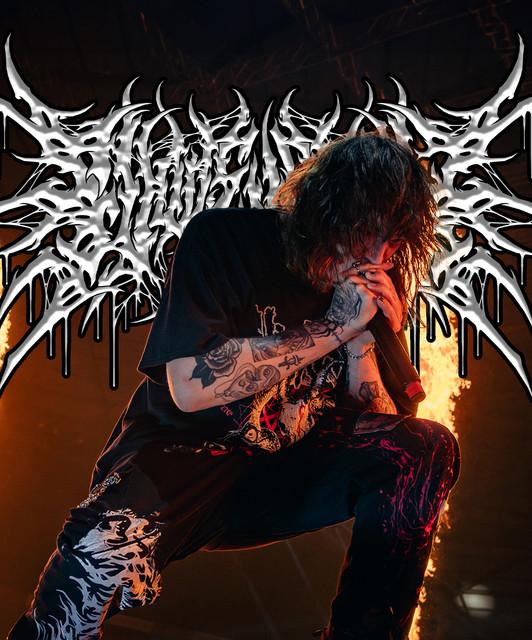
Riot Ten

Electronic
Dubstep
Trap/Future Bass
 Viberate Rank: 44268
 Viberate Rank: 44268
 Monthly ListenersFollowers
 Subscribers
 Followers
 Followers
 FansTop Spotify Songs
| Track | 7-Day Streams | |
|---|---|---|
1 | 19.24K | |
2 | 14.02K | |
3 | 10.19K | |
4 | 8.40K | |
5 | 6.52K |
Top YouTube VideosMonthly ListenersFeatured in Playlists| Playlist | Followers | |
|---|---|---|
1 |  Dubstep Don Spotify | 911.36K |
2 |  Trap Mojito Spotify | 869.67K |
3 |  DUBSTEP 2026 Filtr Sweden | 432.03K |
4 |  Zoedic EDM Playlist Updated Weekly Elaine Lin | 331.82K |
5 |  Dubstep Bangers 2026 🔥 knivgaffel | 294.04K |
Audience| City | Monthly Listeners | |
|---|---|---|
1 | | 6.29K |
2 | | 5.38K |
3 | | 4.93K |
4 | | 4.13K |
5 | | 4.04K |
See full performance history, audience data, playlist activity, rankings, comparisons, and more in Viberate music analytics. Start with a free trial, then continue with a paid plan.
Riot Ten’s Spotify BioBorn and raised in El Paso, TX, Riot Ten exploded into the world of dance music at the age of 22. Joining Dim Mak Records in 2017, Riot Ten blasted off with four #1 top 100 dubstep singles and became one of the most sought after artists in bass music. With a decades worth of support from the likes of DJ Snake, Zeds Dead, Steve Aoki, The Chainsmokers, and Excision, as well as music releases on Never Say Die, Monstercat, Bassrush and more, Riot Ten has long secured his footing in dance music and has proven to be a staple. In 2017, Riot Ten's single "F*ck It" with Sullivan King was a mainstay for The Chainsmokers on their 2017 "Memories Do Not Open" tour. This success ultimately paved the way for "Rail Breaker", Riot Ten's global dubstep hit, to become one of the most successful bass music songs of the last 10 years. Following the release of "Rail Breaker", Riot Ten went on to drop his debut EP with Dim Mak in 2018, which recorded a top 10 debut on the iTunes' "dance album" charts, a feat… seldom seen by an artist in the genre. He recorded another top 10 debut on the charts in 2019 with his debut album "Nightmares" and has since topped the charts with nearly every release that followed. In addition to the music, Riot Ten has recorded sold out tours, both domestically and internationally. He has also performed at EDC Las Vegas, Coachella, Lollapalooza, HARD Summer, Lost Lands, Global Dance, Electric Forest, Dream Nation in Paris, Rampage in Belgium, Tomorrowland and more.
Viberate is a music analytics platform built for A&Rs, artist managers, labels, booking agents, marketers, and artists.
It helps music professionals track artist growth, analyze audience data, monitor playlist activity, compare artists, follow song performance, and identify opportunities across the music market.
Public artist pages provide a free preview of selected artist data. Paid plans provide access to deeper analytics, historical data, charts, comparisons, playlist tools, exports, alerts, reports, and additional professional features.
Yes. Public Viberate artist pages provide selected artist analytics and music data for free.
Viberate also offers a 7-day free trial of the full platform. A credit card is required to start the trial. The trial includes access to the complete product so users can test deeper artist analytics, historical views, playlist insights, comparisons, charts, exports, alerts, and reporting features before choosing a paid plan.
Viberate provides artist analytics across streaming, playlists, social media, video, radio airplay, songs, and audience markets.
Users can analyze Spotify performance, Spotify and Apple Music playlists, YouTube activity, TikTok and Instagram growth, radio spins, song performance, audience locations, demographics, rankings, and overall artist momentum.
Artist profiles also connect to music charts, similar artists, and comparison tools, helping users benchmark performance and evaluate artists in context.
Viberate updates key artist and track data daily.
For followed artists and tracks, selected data is refreshed multiple times per day. This helps teams monitor playlist changes, streaming movement, audience growth, releases, and campaign performance with more current data.
Update frequency can vary depending on the metric and data source.
Yes. Viberate lets users compare up to five artists side by side across streaming, social media, audience, and engagement metrics.
Users can compare fanbase growth, audience demographics, locations, Spotify performance, social metrics, and other artist data over selected time periods.
Artist comparison can be used for A&R scouting, benchmarking, booking decisions, campaign planning, and evaluating artists with similar audiences or market positions.