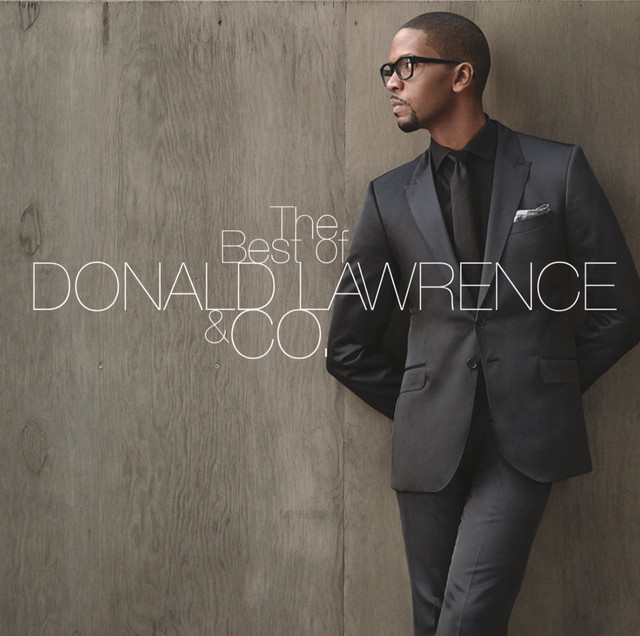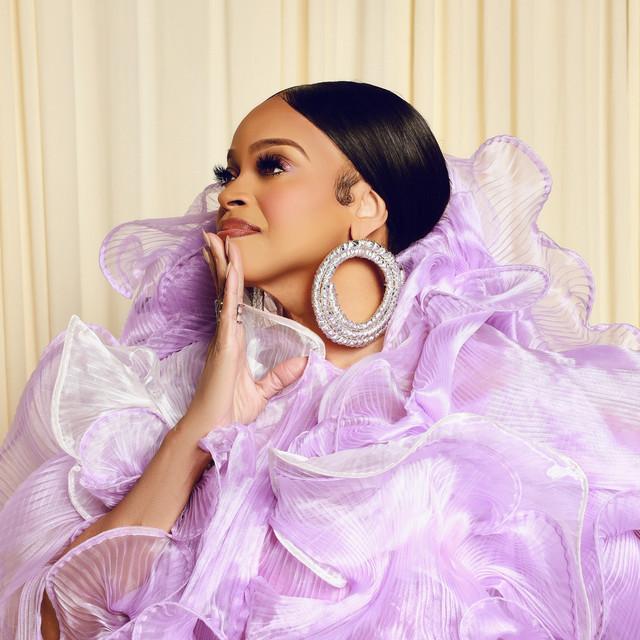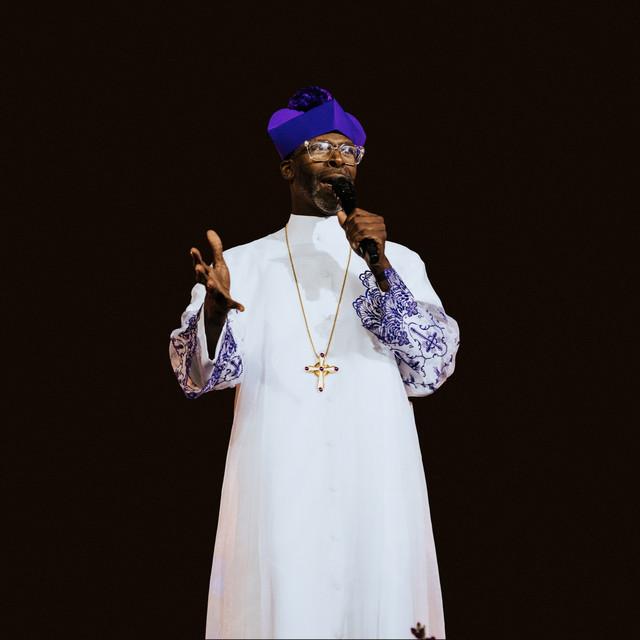
Ricky Dillard

Religious
Christian Music
Gospel
 Viberate Rank: 26188
 Viberate Rank: 26188
 Monthly ListenersFollowers
 Subscribers
 Followers
 Followers
 FansTop Spotify Songs
| Track | 7-Day Streams | |
|---|---|---|
1 | 15.25K | |
2 | 10.45K | |
3 | 9.53K | |
4 | 6.66K | |
5 | 6.18K |
Top YouTube Videos| Video | 7-Day Views | |
|---|---|---|
1 | 25.79K | |
2 | 16.47K | |
3 | 15.03K | |
4 | 13.20K | |
5 | 12.62K |
Monthly ListenersFeatured in Playlists| Playlist | Followers | |
|---|---|---|
1 |  Gospel Hits Spotify | 697.75K |
2 |  Spread the Gospel Spotify | 347.02K |
3 |  Gospel Hits 2026 SOZO Playlists | 160.02K |
4 | Black Gospel Praise and Worship diywithme772 | 81.53K |
5 |  Today's Christian Hits Lifter Today | 64.38K |
Audience| City | Monthly Listeners | |
|---|---|---|
1 | | 3.73K |
2 | | 3.11K |
3 | | 3.00K |
4 | | 2.86K |
5 | | 2.86K |
See full performance history, audience data, playlist activity, rankings, comparisons, and more in Viberate music analytics. Start with a free trial, then continue with a paid plan.
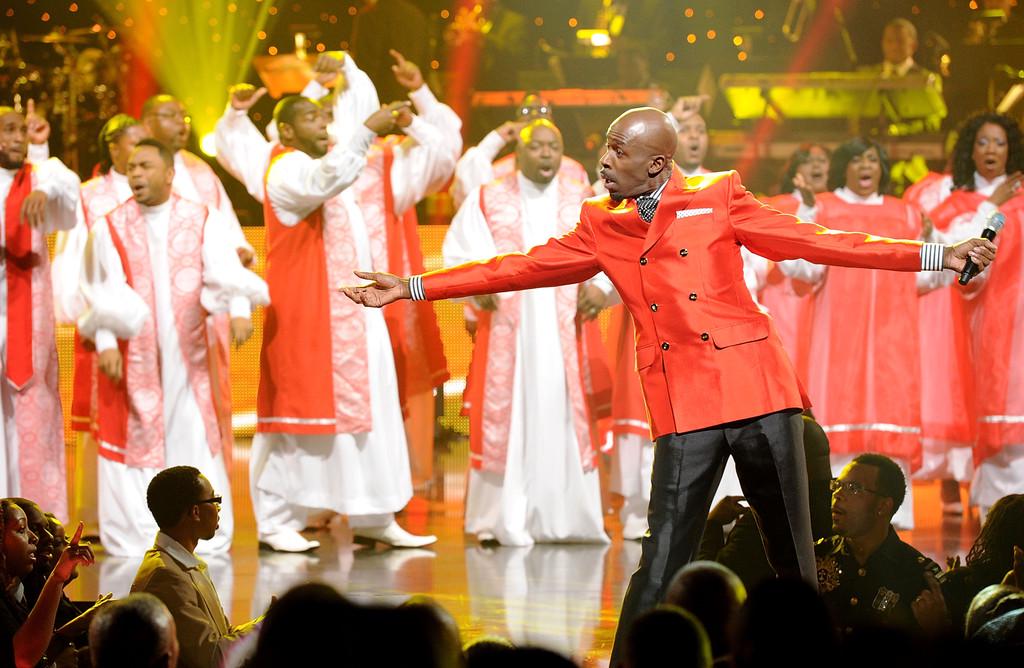
Ricky Dillard’s Spotify BioRicky Dillard is a chart-topping gospel singer, songwriter, producer, and Grammy nominee from Chicago. He emerged from the 1980s house music scene (where he worked with Frankie Knuckles) to lead a church choir, which he's been doing ever since. With a sophisticated style that juxtaposes R&B, funk, dance music, blues, jazz, and Black Gospel, Dillard forged a unique identity on the church music scene with his New Generation Chorale (since renamed NG). Beginning with 1991's The Promise, his complex fusion of styles and bold choral and rhythmic arrangements enhanced an already dynamic vocal style. His recordings have all registered in the upper half of U.S. Gospel charts, while his concert tours sell out more often than not, sometimes months in advance. Later recording dates like 1993's A Holy Ghost Take-Over for Malaco, spread his unifying musical message from urban radio stations and churches in the northern half of the United States to popularity in the Deep South, where he and NG have… toured churches and festivals. Dillard's place in the modern gospel pantheon has flourished in the 21st century. 2014's Amazing on eOne and 2017's 10 both topped the gospel list, and reached the Top 200.
Ricky Dillard was born and raised in Chicago, where he inherited a love for gospel music from his mother and grandmother, and started singing in a church choir at an early age. Dillard soon began directing the youth choir in his church (starting at the age of five), and later the young adult choirs. It was around this time that Dillard came across two specific recordings that inspired him to pursue gospel singing even more zealously: James Cleveland and Aretha Franklin's "Amazing Grace" with the Southern California Community Choir, and one by the Institutional Radio Choir from Brooklyn, New York. Shortly thereafter, Dillard began drawing inspiration from other gospel performers as well, including Dr. Charles G. Hayes, Marvin Yancy, Thomas Whitfield, Bishop Albert Jamison, and the Tribal Mass Choir. Dillard continued to direct choirs locally and was a member of the Thompson Community Singers.
While continuing to study, learn, and perform gospel, Dillard actually began his recording career in secular music. Always interested in advanced and compelling rhythmic charts and arrangements, Dillard was fascinated with the Windy City's house music scene during the mid-'80s. He met and worked with DJ Frankie Knuckles, and collaborated with other notable record producers including Farley "Jackmaster" Funk on "It's You" in 1987, and "As Always" (1988). He also worked with deep house pioneer Larry Heard, the main producer of Dillard's secular first album, Let the Music Use You, released by Jack Trax in 1989. Gospel remained Dillard's heart level passion though. He was drawn to the recording studio and production techniques as well as the innovative use of break and rhythm tracks that drew him to house in what he later claimed was a somewhat academic exercise: He wanted to know how to record and to bring truly contemporary musical expression into his own brand of gospel.
During the early '90s, Dillard started issuing solo albums -- supported by his New Generation ensemble, later shortened to New G -- that often merged gospel with dance music. These releases included 1991's Grammy-nominated Promise, 1993's A Holy Ghost Take-Over, 1995's Hallelujah, and 1996's Worked It Out. Starting with 2000's No Limit, Dillard's albums regularly peaked within the Top Ten of Billboard's gospel chart. While 2011's Keep Living peaked at number three, 2014's Grammy-nominated Amazing and made the Top 200. Three years later, Ricky Dillard & New G delivered Amazing. It topped the Gospel charts and peaked at 28 on the Top 200, and 2017's 10 was their second consecutive gospel number one.
Two years later, Dillard signed to Motown Gospel, drawn by its roster of innovative young and veteran talent. In May 2020, Dillard, NG, and a slew of co-producers issued their label debut, Choirmaster; it peaked at two on the gospel chart. Dillard brought his dance music pedigree out of the closet when he surprise-released Choirmaster: The Chicago House Remixes to streaming in July. Collaborating with singer producer Max Stark, the five-track, 18-minute set resonated with the international DJ set as well as gospel fans. ~ Greg Prato, Rovi
Viberate is a music analytics platform built for A&Rs, artist managers, labels, booking agents, marketers, and artists.
It helps music professionals track artist growth, analyze audience data, monitor playlist activity, compare artists, follow song performance, and identify opportunities across the music market.
Public artist pages provide a free preview of selected artist data. Paid plans provide access to deeper analytics, historical data, charts, comparisons, playlist tools, exports, alerts, reports, and additional professional features.
Yes. Public Viberate artist pages provide selected artist analytics and music data for free.
Viberate also offers a 7-day free trial of the full platform. A credit card is required to start the trial. The trial includes access to the complete product so users can test deeper artist analytics, historical views, playlist insights, comparisons, charts, exports, alerts, and reporting features before choosing a paid plan.
Viberate provides artist analytics across streaming, playlists, social media, video, radio airplay, songs, and audience markets.
Users can analyze Spotify performance, Spotify and Apple Music playlists, YouTube activity, TikTok and Instagram growth, radio spins, song performance, audience locations, demographics, rankings, and overall artist momentum.
Artist profiles also connect to music charts, similar artists, and comparison tools, helping users benchmark performance and evaluate artists in context.
Viberate updates key artist and track data daily.
For followed artists and tracks, selected data is refreshed multiple times per day. This helps teams monitor playlist changes, streaming movement, audience growth, releases, and campaign performance with more current data.
Update frequency can vary depending on the metric and data source.
Yes. Viberate lets users compare up to five artists side by side across streaming, social media, audience, and engagement metrics.
Users can compare fanbase growth, audience demographics, locations, Spotify performance, social metrics, and other artist data over selected time periods.
Artist comparison can be used for A&R scouting, benchmarking, booking decisions, campaign planning, and evaluating artists with similar audiences or market positions.