Rick Asikpo

R&B
Funk
 Viberate Rank: 683027
 Viberate Rank: 683027
 Monthly ListenersFollowers
 Subscribers
 Followers
 Followers
 FansTop Spotify Songs
| Track | 7-Day Streams | |
|---|---|---|
1 | 265 | |
2 | 30 | |
3 | 17 | |
4 | 8 | |
5 | 8 |
Top YouTube VideosMonthly ListenersFeatured in Playlists| Playlist | Followers | |
|---|---|---|
1 |  West African Psychedelic Funk | 60s 70s 80s leoradio | 6.61K |
2 |  Complete Discography of Soundway Records Soundway Records | 5.45K |
3 |  🌼Jazzanova on the decks Jazzanova | 4.74K |
4 |  Pri's World of Bangers Pri | 3.91K |
5 | African Disco, Funk & Nigerian Boogie mixtapesbringsmiles | 3.59K |
Audience| City | Monthly Listeners | |
|---|---|---|
1 |  | 35 |
2 |  | 23 |
3 |  | 21 |
4 |  | 18 |
5 | | 15 |
See full performance history, audience data, playlist activity, rankings, comparisons, and more in Viberate music analytics. Start with a free trial, then continue with a paid plan.
Rick Asikpo’s Spotify BioRick Asikpo is a Nigerian musician, producer, and bandleader recognised for his innovative role in connecting Southern U.S. jazz-funk with Nigerian soul. While living in Houston as a student, Asikpo joined The Peoples' Workshop , a collective known for fostering young Black artists. His early work included the track Let's Get High featuring Cameo’s Charlie Singleton, which later appeared on his debut album.
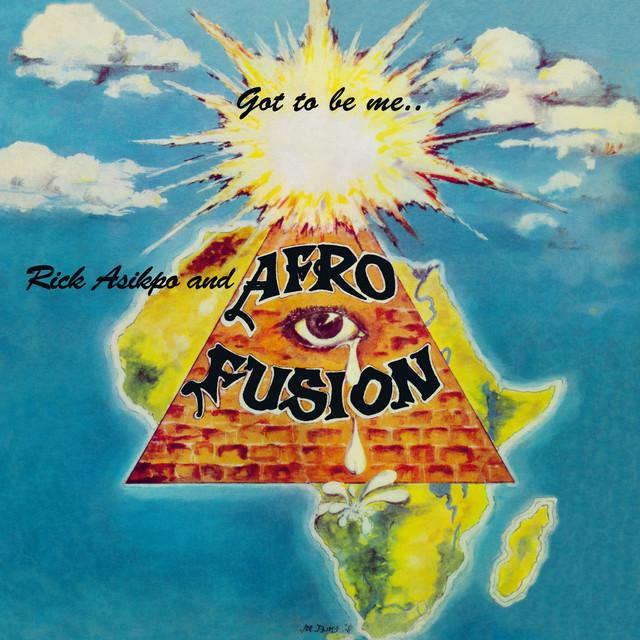
In 1981, Asikpo recorded Got To Be Me in Baton Rouge, Louisiana, collaborating with local musicians such as zydeco guitarist Ray Mouton. The album, pressed in limited numbers on Nigeria’s Afrodisia label, is noted for its blend of synth-driven boogie, soul, afro-disco, and funk, and has become a prized find among collectors for its cross-continental sound.
Throughout the 1980s and early ’90s, Asikpo continued to release music that incorporated boogie, hip-hop, and early rap influences, reflecting his experiences in both the U.S. and Nigeria. Widely regarded as a… multi-instrumentalist, songwriter, and producer, Asikpo’s body of work has earned him a reputation as a creative force in Nigerian music, with a legacy that continues to resonate through reissues and renewed interest from new generations of listeners.
Viberate is a music analytics platform built for A&Rs, artist managers, labels, booking agents, marketers, and artists.
It helps music professionals track artist growth, analyze audience data, monitor playlist activity, compare artists, follow song performance, and identify opportunities across the music market.
Public artist pages provide a free preview of selected artist data. Paid plans provide access to deeper analytics, historical data, charts, comparisons, playlist tools, exports, alerts, reports, and additional professional features.
Yes. Public Viberate artist pages provide selected artist analytics and music data for free.
Viberate also offers a 7-day free trial of the full platform. A credit card is required to start the trial. The trial includes access to the complete product so users can test deeper artist analytics, historical views, playlist insights, comparisons, charts, exports, alerts, and reporting features before choosing a paid plan.
Viberate provides artist analytics across streaming, playlists, social media, video, radio airplay, songs, and audience markets.
Users can analyze Spotify performance, Spotify and Apple Music playlists, YouTube activity, TikTok and Instagram growth, radio spins, song performance, audience locations, demographics, rankings, and overall artist momentum.
Artist profiles also connect to music charts, similar artists, and comparison tools, helping users benchmark performance and evaluate artists in context.
Viberate updates key artist and track data daily.
For followed artists and tracks, selected data is refreshed multiple times per day. This helps teams monitor playlist changes, streaming movement, audience growth, releases, and campaign performance with more current data.
Update frequency can vary depending on the metric and data source.
Yes. Viberate lets users compare up to five artists side by side across streaming, social media, audience, and engagement metrics.
Users can compare fanbase growth, audience demographics, locations, Spotify performance, social metrics, and other artist data over selected time periods.
Artist comparison can be used for A&R scouting, benchmarking, booking decisions, campaign planning, and evaluating artists with similar audiences or market positions.