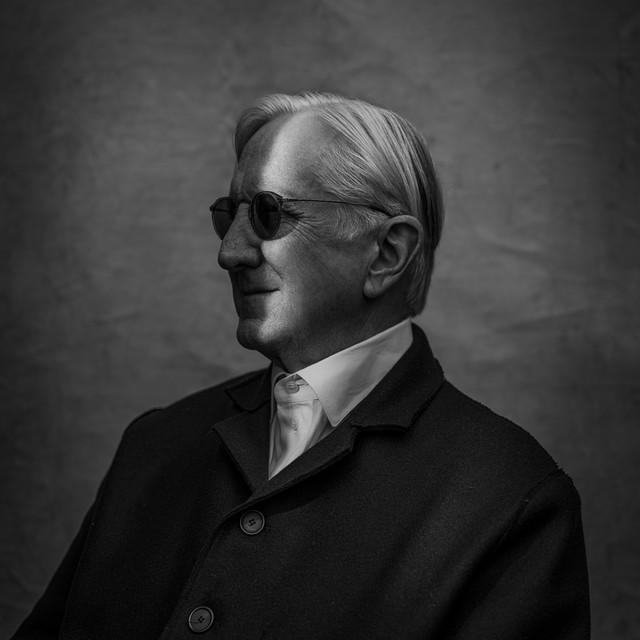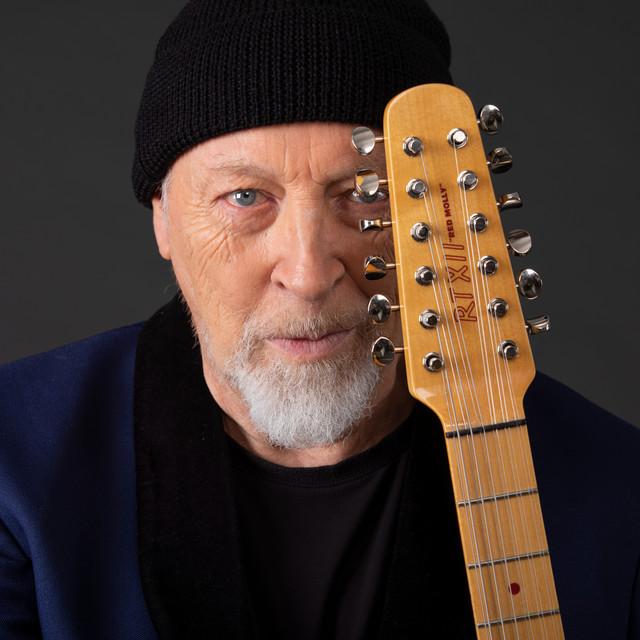
Richard Thompson

Rock
Folk Rock
Hard Rock
Alternative Rock
 Viberate Rank: 46239
 Viberate Rank: 46239
 Monthly ListenersFollowers
 Subscribers
 Followers
 Followers
 FansTop Spotify Songs
| Track | 7-Day Streams | |
|---|---|---|
1 | 27.86K | |
2 | 18.59K | |
3 | 17.09K | |
4 | 13.42K | |
5 | 11.34K |
Top YouTube VideosMonthly ListenersFeatured in Playlists| Playlist | Followers | |
|---|---|---|
1 |  Classic Acoustic Spotify | 2.63M |
2 |  Essential Folk Spotify | 831.90K |
3 |  Sea Shanties Spotify | 604.40K |
4 |  Americana Icons Spotify | 241.64K |
5 |  70's Rock Classics Marr John Rivera Ador | 158.92K |
Audience| City | Monthly Listeners | |
|---|---|---|
1 | | 6.71K |
2 |  | 3.21K |
3 | | 2.84K |
4 | | 2.58K |
5 |  | 2.48K |
See full performance history, audience data, playlist activity, rankings, comparisons, and more in Viberate music analytics. Start with a free trial, then continue with a paid plan.
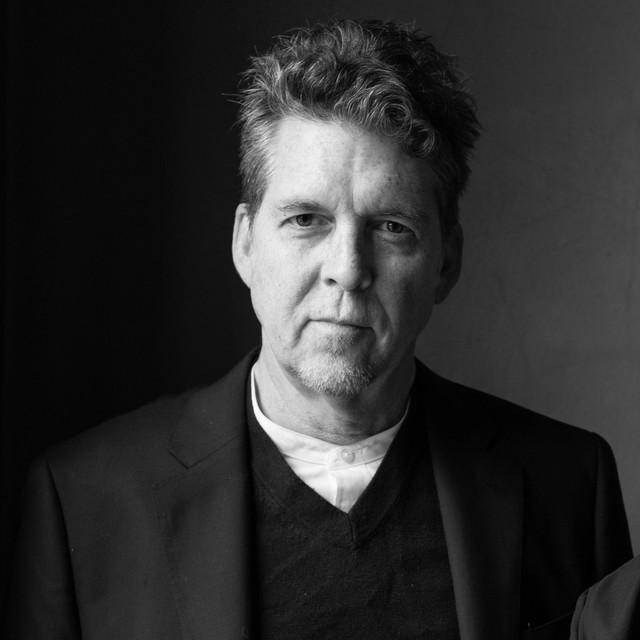
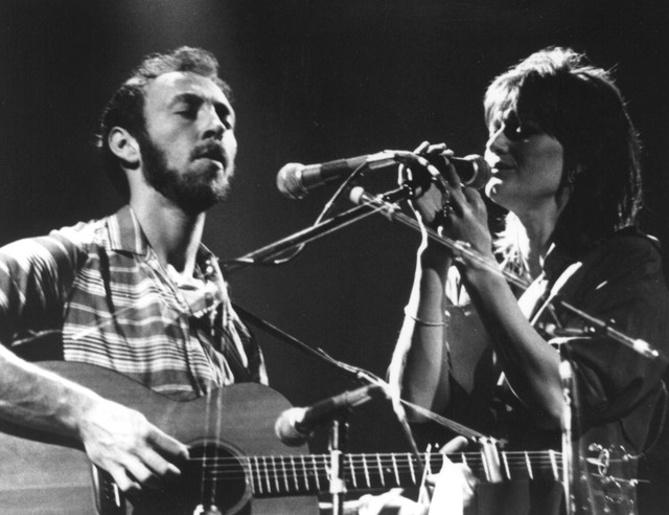
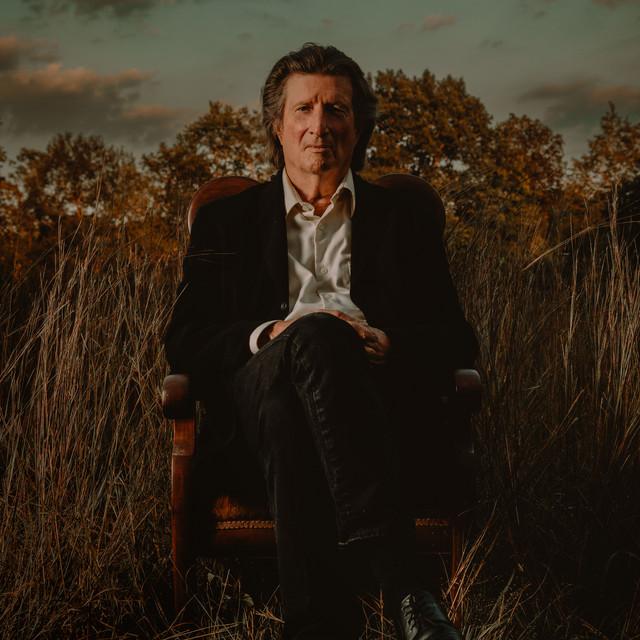
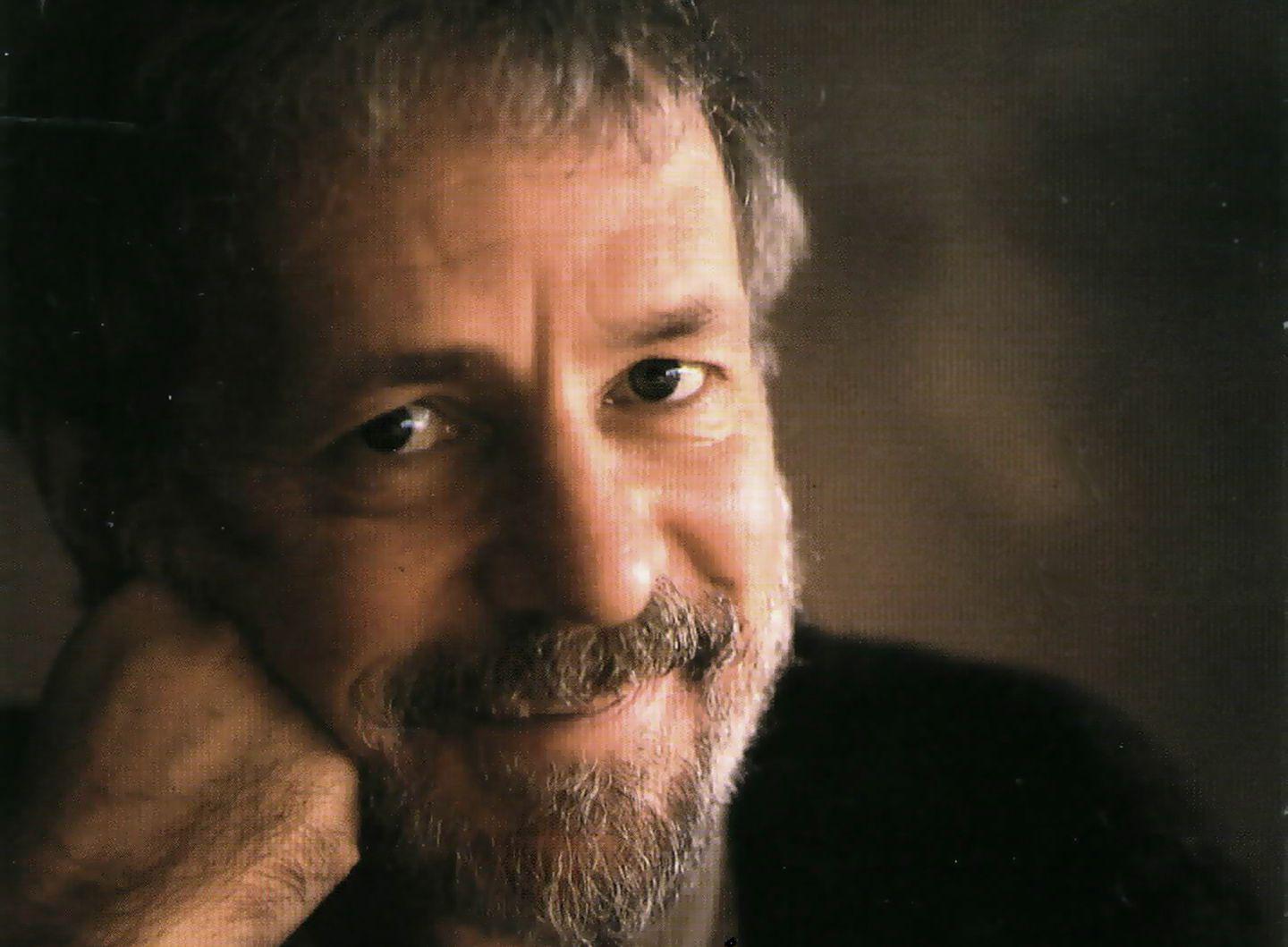
Richard Thompson’s Spotify BioAn iconic figure in British folk-rock, Richard Thompson is arguably the genre's greatest triple threat: a dazzling guitarist, an outstanding songwriter, and a strong and evocative vocalist. As one of the founding members of the group Fairport Convention, Thompson would have a seismic impact on both U.K. folk and rock, incorporating elements of traditional music (most effectively on 1969's Liege and Lief) in a way that sparked a new interest in authentic British folk. After leaving Fairport, Thompson recorded a series of albums with his spouse Linda Thompson that established him as an estimable guitarist and tunesmith; while they were a favorite with critics (especially 1974's I Want to See the Bright Lights Tonight), the sales of their albums were usually dismal. With suitable irony, the couple experienced a commercial breakthrough with 1982's Shoot Out the Lights when their marriage rancorously ended. Richard launched a solo career in earnest with 1983's Hand of Kindness, and through… the '80s and '90s, thanks to an increased touring schedule, better promotion of his releases, and livelier production (often from frequent collaborator Mitchell Froom), Thompson's cult following grew considerably, and his song "1952 Vincent Black Lightning" (from 1992's Rumor and Sigh) became a folk and bluegrass standard, especially after it was covered by the Del McCoury Band in 2001. After more than a decade recording for Capitol Records, Thompson returned to an independent label with 2003's The Old Kit Bag, in which he returned to a more organic production style. Thompson wavered between acoustic projects (2005's Front Parlour Ballads) and more robust full-band efforts (2013's Electric), but despite his status as an elder statesman of the singer/songwriter community, he remained active and engaged as a writer and musician, releasing the powerful 13 Rivers in 2018, followed in 2024 by Ship to Shore.
Richard Thompson was born on April 3, 1949, in Ladbroke Crescent, Notting Hill, West London, England. His father, a detective with Scotland Yard, was an amateur guitarist who was fond of jazz (particularly Django Reinhardt and Charlie Christian) and traditional Scottish music, influences that would inform Richard's music in the decades to come. Young Thompson was also fond of rock & roll, and began playing guitar at a young age; for a while, his older sister dated a young man in a rock band, and Richard would sometimes get her suitor to teach him licks while his sister got ready for dates. While attending secondary school, Thompson joined his first band, a teen combo called Emil and the Detectives; their bass player, Hugh Cornwell, would later enjoy success as a member of the U.K. punk band the Stranglers. In 1967, Thompson would become one of the founding members of the group Fairport Convention, a group influenced by Jefferson Airplane that initially specialized in American-style folk-rock. Discovered by manager and producer Joe Boyd, Fairport Convention soon landed a record deal and released their self-titled debut album in 1968.
By the time Fairport released their second album, 1969's What We Did on Our Holidays, original singer Judy Dyble had left the band, and Sandy Denny, one of the finest vocalists of her generation, took her place, and while Ian Matthews originally dominated their original songwriting, Thompson began contributing tunes like "Meet on the Ledge" and "Tale in a Hard Time" that would become standards in their repertoire. Unhalfbricking, released later in 1969, was an even stronger effort highlighted by a greater emphasis on traditional folk and their extended version of the traditional "A Sailor's Life," but between its recording and release, the band experienced a tragedy. After driving home after a gig in Birmingham, Fairport's van was part of an accident that claimed the lives of drummer Martin Lamble and dancer Jeannie Franklyn, who was Thompson's girlfriend. Other members of Fairport would experience injuries, and Matthews had already parted ways with the group, so the band added new drummer Dave Mattacks and fiddler Dave Swarbrick as bassist Ashley Hutchings dug deep into researching British folk songs. Released in December 1969, Liege and Lief was a masterpiece that found the group fusing rock and folk in a new and innovative way, and while Denny left before they recorded the follow-up, 1970's Full House, it was another triumph in the fusion of the genres.
In 1971, Thompson left Fairport Convention, feeling that his songwriting was moving away from what the group did best. Uncertain about the direction of his career, Thompson initially worked on solo efforts from Ian Matthews and Sandy Denny and played on two ad-hoc projects featuring fellow Fairport members, 1972's The Bunch (in which they put their spin on classic rock & roll tunes) and 1972's Morris On (dominated by electric versions of traditional melodies for Morris dancing). By the time the year was out, Thompson had released his first solo album, Henry the Human Fly, which was not warmly received by critics and sold so poorly that its initial release was said to be the worst-selling album ever released by Warner Bros. (Thompson would later quip he was personally acquainted with everyone who bought a copy.) One of the backing vocalists on the Henry the Human Fly sessions was Linda Peters, who had also appeared on The Bunch; the two began performing together, and they were married in October 1972.
In 1973, Richard & Linda began work on their first album together, I Want to See the Bright Lights Tonight, released in April 1974. While it was not initially issued in the United States, it won rapturous reviews from critics, and the title song became a minor hit in the U.K. The Thompsons next released Hokey Pokey (March 1975) and Pour Down Like Silver (November 1975) before dropping out of music for several years; Richard and Linda became Sufi Muslims and relocated to a communal Sufi community outside London. While Richard was out of the public eye, a collection of rarities and live material, Guitar, Vocal, was issued in 1976. Returning to the music business in 1978, the Thompsons recorded First Light for Chrysalis Records, which showed a definite Islamic and North African influence, along with their characteristic British folk-rock, though it was recorded with American session musicians. 1979's Sunnyvista, a considerably livelier and wittier effort, earned only more public indifference, and they were dropped by the label. (In a small consolation, "Don't Let a Thief Steal Into Your Heart" from Sunnyvista was later covered by the Pointer Sisters.)
Without a record contract, Richard & Linda demo'ed eight songs in the summer of 1980 before going into the studio for their next project, with singer/songwriter Gerry Rafferty producing. Rafferty had had a great deal of success during the latter part of the '70s, and as a fan he was eager to bring the Thompsons' music to a larger audience. However, the subsequent tracks were shelved due to Richard's dissatisfaction with the outcome. In the meantime, Richard went back to work by himself in 1981, recording a collection of instrumental tunes entitled Strict Tempo!, which he released independently on his own Elixir label. Richard & Linda eventually ended up back in the studio, with former Fairport producer Joe Boyd to re-record some of the material from the Rafferty sessions, as well as three new songs. The finished product, Shoot Out the Lights, was the most powerful album in the Thompsons' oeuvre, as well as their first real breakthrough. Released by Boyd's own Hannibal Records, it not only received universally glowing reviews, but was their biggest seller to date. It also marked the end of their marriage, and following a tumultuous tour of America, their musical partnership ended as well.
Richard remained with Hannibal for 1983's Hand of Kindness, which found him leading an eight-piece band (including two sax players) and sounding noticeably more cheerful than on Shoot Out the Lights. One of the album's songs, "Tear Stained Letter," would become a Top 20 country hit in America in a version recorded by Cajun artist Jo-El Sonnier. 1984's Small Town Romance, drawn from a pair of solo acoustic performances recorded for radio broadcast, would be his last release for Hannibal, and he kicked off a major-label deal with Polydor with 1985's Across a Crowded Room. Once again produced by Joe Boyd, the album sold well by Thompson's standards, and a live video was released documenting one show from the supporting tour. Hoping for bigger sales, the label paired Thompson with American producer Mitchell Froom for 1986's Daring Adventures. Once again, the album fared well with critics but sales were lukewarm, and Polydor dropped him from their roster.
Once again between labels, Thompson found various side projects to keep him busy. He co-wrote the score for the BBC television series The Marksman and collaborated with John French (former drummer with Captain Beefheart's Magic Band), Fred Frith (formerly of Henry Cow), and Henry Kaiser (a well-respected experimental guitarist) in a group dubbed French Frith Kaiser Thompson. FFKT issued an album in 1987, Live, Love, Larf & Loaf, through Rhino Records that equally favored the musical minds on board. Thompson then struck a deal with Capitol, and his first LP for the label, Amnesia, arrived in stores in October 1988. Like Daring Adventures, it was produced by Mitchell Froom, and while it saw better sales than most of Thompson's previous efforts, he enjoyed a greater breakthrough with 1991's Rumor and Sigh, a relatively accessible effort that included "1952 Vincent Black Lightning," a folk ballad in the classic style that quickly became a fan favorite and one of his most covered songs. (Between Amnesia and Rumor and Sigh, French Frith Kaiser Thompson found time to cut a second album, 1990's Invisible Means, for Windham Hill Records. 1990 also saw the release of Hard Cash, featuring music written by Thompson for a British television series.)
Throughout the '90s, Thompson maintained his fervent cult following while gaining greater acceptance among fans of roots rock and contemporary folk, reinforced by his growing reputation as a stellar live act whose guitar work left fans breathless. In 1992, Capitol released Thompson's score for the Australian film Sweet Talker, and in 1993, Rykodisc (who now owned the Hannibal back catalog) released an ambitious, career-spanning three-CD box set titled Watching the Dark, which testified to the richness of Thompson's body of work. Thompson's next proper album, Mirror Blue, was released in 1994; that same year, Bonnie Raitt brought out the album Longing in Their Hearts, which included a cover of RT's "Dimming of the Day," and Capitol released Beat the Retreat, a Thompson tribute disc featuring performances of his songs by R.E.M., Los Lobos, X, Bob Mould, Dinosaur Jr., June Tabor, and others. (A previous Thompson tribute album, The World Is a Wonderful Place, came out in 1993 and included recordings from Victoria Williams, Christine Collister, Tom Robinson, and Plainsong.) In 1996, he returned with You? Me? Us?, a two-CD set that featured one disc of electric material and another of acoustic recordings. It would turn out to be Thompson's last album produced by Mitchell Froom; after cutting a collaborative concept album with Pentangle bassist Danny Thompson, 1997's Industry, and appearing on Phillip Pickett's The Bones of All Men, Richard went into the studio with producers Tom Rothrock and Rob Schnapf to cut 1999's full-bodied Mock Tudor.
In 2001, shortly after the release of the compilation Action Packed: The Best of the Capitol Years, Thompson's contract with the label ran out and they opted not to renew the deal. In 2003 he returned to the ranks of the independent recording artists with his album The Old Kit Bag, released by Cooking Vinyl in the U.K. and SpinART in the United States. Thompson continued to follow the indie path with his next release, 2005's Front Parlour Ballads, a primarily acoustic effort that Thompson recorded in his own garage studio. In 2006, the respected folk label Free Reed released RT: The Life and Music of Richard Thompson, a five-disc set of outtakes, live recordings, and album cuts, many of which were pulled from Thompson's personal collection. (Yet another box set collecting highlights from his studio sessions, Walking on a Wire 1968-2009, came out in 2009.) A new studio album, Sweet Warrior, arrived in 2007 (released by Shout! Factory), followed by another collection of brand-new songs (recorded in front of a live audience) called Dream Attic in 2010.
Over the next few years, Thompson continued to tour regularly and in 2012 he headed into Buddy Miller's home studio in Nashville to record a new album. Released early in 2013, the resulting record was called Electric and, appropriately enough, showcased Thompson's electric guitar skills. He also appeared on his ex-wife Linda's fourth studio album, Won't Be Long Now, on the track "Love's for Babies and Fools" later that year. In July 2014, he released an acoustic collection of his well-known songs entitled Acoustic Classics; a second volume followed in 2017. For his 2015 album Still, Thompson traveled to Chicago, where Jeff Tweedy of Wilco served as producer for the sessions; Tweedy also added musical accents to several songs, recorded at Wilco's private recording studio, the Loft. Thompson self-produced 2018's 13 Rivers, a spare but powerful album he recorded on analog tape with backing from his road band. 2019's Across a Crowded Room: Live at Barrymore's 1985 was an audio-only reissue of a concert that had been released on VHS and laserdisc in the '80s.
The early part of the 2020s was largely devoted to archival and live releases and included a 1986 concert from Nottingham and a 2006 acoustic trio show from Honolulu. In 2021, Thompson recorded a live album in London which was issued later that year as Live from London. He also published his memoir, Beeswing: Losing My Way and Finding My Voice 1967-1975. All of this led up to the 2024 release of his next studio album, Ship to Shore. Similar to 13 Rivers, the self-produced set featured lean arrangements courtesy of Thompson's touring band. ~ Brett Hartenbach & Mark Deming, Rovi
Viberate is a music analytics platform built for A&Rs, artist managers, labels, booking agents, marketers, and artists.
It helps music professionals track artist growth, analyze audience data, monitor playlist activity, compare artists, follow song performance, and identify opportunities across the music market.
Public artist pages provide a free preview of selected artist data. Paid plans provide access to deeper analytics, historical data, charts, comparisons, playlist tools, exports, alerts, reports, and additional professional features.
Yes. Public Viberate artist pages provide selected artist analytics and music data for free.
Viberate also offers a 7-day free trial of the full platform. A credit card is required to start the trial. The trial includes access to the complete product so users can test deeper artist analytics, historical views, playlist insights, comparisons, charts, exports, alerts, and reporting features before choosing a paid plan.
Viberate provides artist analytics across streaming, playlists, social media, video, radio airplay, songs, and audience markets.
Users can analyze Spotify performance, Spotify and Apple Music playlists, YouTube activity, TikTok and Instagram growth, radio spins, song performance, audience locations, demographics, rankings, and overall artist momentum.
Artist profiles also connect to music charts, similar artists, and comparison tools, helping users benchmark performance and evaluate artists in context.
Viberate updates key artist and track data daily.
For followed artists and tracks, selected data is refreshed multiple times per day. This helps teams monitor playlist changes, streaming movement, audience growth, releases, and campaign performance with more current data.
Update frequency can vary depending on the metric and data source.
Yes. Viberate lets users compare up to five artists side by side across streaming, social media, audience, and engagement metrics.
Users can compare fanbase growth, audience demographics, locations, Spotify performance, social metrics, and other artist data over selected time periods.
Artist comparison can be used for A&R scouting, benchmarking, booking decisions, campaign planning, and evaluating artists with similar audiences or market positions.