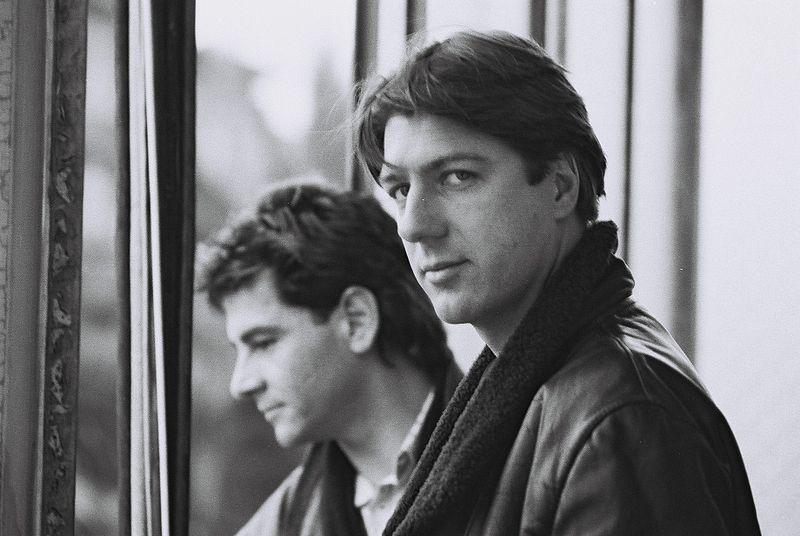
Ric Ocasek

Rock
Pop Rock
Alternative Rock
 Viberate Rank: 26534
 Viberate Rank: 26534
 Monthly ListenersFollowers
 Subscribers
 Followers
 Followers
 FansTop Spotify Songs
| Track | 7-Day Streams | |
|---|---|---|
1 | 33.01K | |
2 | 1.87K | |
3 | 1.15K | |
4 | 989 | |
5 | 962 |
Top YouTube VideosMonthly ListenersFeatured in Playlists| Playlist | Followers | |
|---|---|---|
1 | Classic Rock Greatest Hits Scott Pruden | 341.40K |
2 |  Anos 80 internacional. Só as melhores! Juliano Vasconcellos | 277.62K |
3 |  ANTENA 1 ⭐️ Sucessos e Clássicos Internacionais Flashback Carlos Eduardo 🇧🇷 | 46.15K |
4 |  FM Aspen 102.3 el_chacker | 33.25K |
5 |  Anni 80 Top 500 International Enrico Guidi | 11.67K |
Audience| City | Monthly Listeners | |
|---|---|---|
1 |  | 5.35K |
2 |  | 2.17K |
3 | | 1.56K |
4 | | 1.34K |
5 | | 1.29K |
See full performance history, audience data, playlist activity, rankings, comparisons, and more in Viberate music analytics. Start with a free trial, then continue with a paid plan.
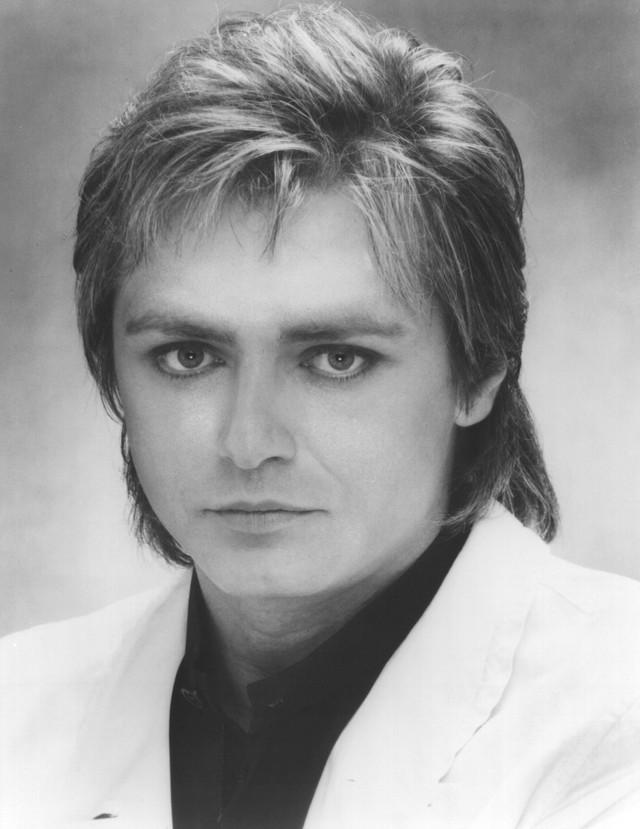
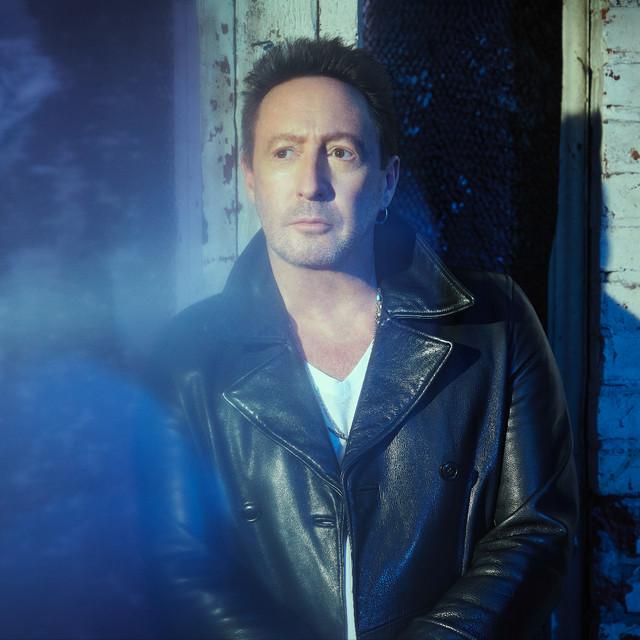
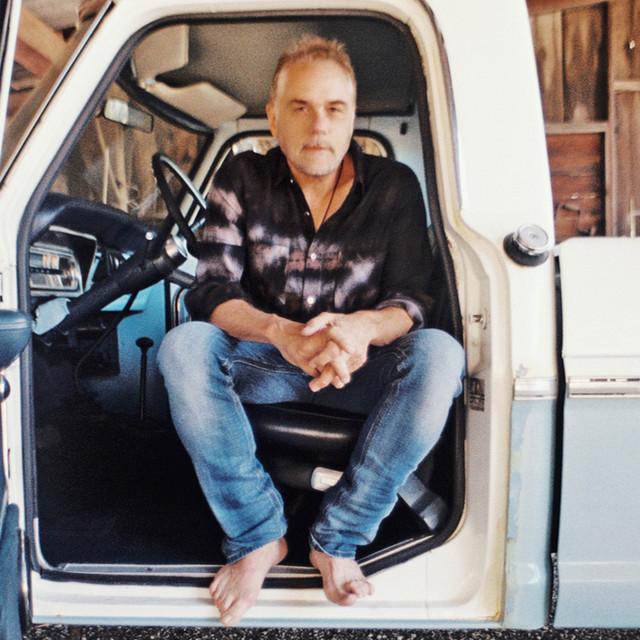
Ric Ocasek’s Spotify BioAlthough he was best known as the leader, singer, rhythm guitarist, and songwriter for the Cars, Ric Ocasek also produced for a wide variety of other artists over the years.
Born Richard Otcasek in Baltimore, Maryland, on March 23, 1944, he was 16 when he became interested in music via such early rockers as Buddy Holly & the Crickets. In the early '70s, Otcasek moved from Cleveland to Boston and began playing in a folk band called Milkwood with friend Ben Orzechowski. They released a lone, forgotten album in 1973 called How's the Weather. When the record failed to chart, the group promptly split up, but Otcasek and Orzechowski would remain together. Inspired by proto-punk outfits the Modern Lovers, the Velvet Underground, and Roxy Music, they formed Rick & the Rabbits and changed their last names from Orzechowski to Orr, and Otcasek to Ocasek.
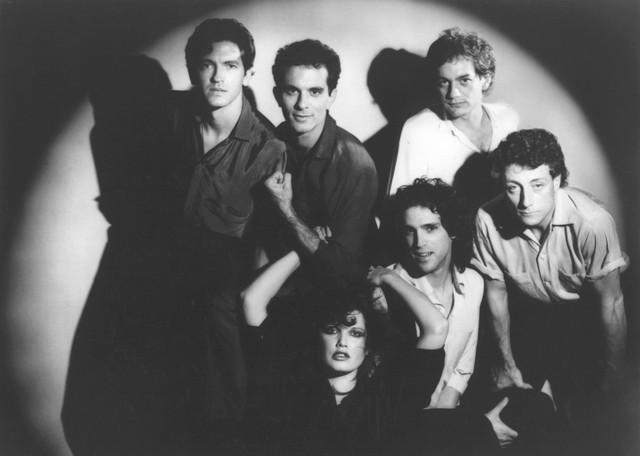
By the mid-'70s, the new band included additional members Greg Hawkes (keyboards/synths), Elliot Easton (guitar), and former Modern Lovers member… Dave Robinson (drums). Shortly thereafter, the quintet changed their name to the Cars (with Ocasek becoming the undisputed leader, penning all of their tunes), resulting in a more streamlined sound and look, which fit in perfectly with the burgeoning new wave movement. Signed to Elektra, the band rocketed to stardom on the strength of their classic, mega-selling self-titled debut in 1978. With further releases such as 1979's Candy-O, 1980's Panorama, and 1981's Shake It Up, the group became one of the top rock bands in the U.S. It was also during this time that Ocasek began to branch out artistically by producing for Suicide, Bad Brains, Romeo Void, and Iggy Pop, and issuing his 1982 solo debut, Beatitude.
With the advent of MTV, the way a band looked proved almost just as important as the music, and the Cars seemed to be custom-made for the new channel as their 1984 release Heartbeat City became one of the year's biggest rock records, spawning several Top Ten singles and heavily rotated and stylish videos. Ocasek found himself in the tabloids around this time when he began dating, and eventually marrying, fashion model Paulina Porizkova (who had appeared in the video for the Cars' hit ballad "Drive"). 1986 saw Ocasek release his second solo effort, This Side of Paradise, before returning to the Cars for what would be their final album, 1987's mildly received Door to Door, before splitting up a year later.
Not much was heard from Ocasek immediately after the Cars' split, but he eventually resurfaced in 1990 with Fireball Zone. He subsequently released other solo works throughout the decade, including 1993's Quick Change World and Negative Theater, 1996's Getchertikitz (a collaboration with Suicide's Alan Vega), and 1997's Billy Corgan-produced Troublizing (which he supported with a very brief tour, his first since leaving the Cars).
Beginning in the mid-'90s, Ocasek began producing again for acts such as Bad Religion, Black 47, Johnny Bravo, D Generation, Guided by Voices, Hole, Possum Dixon, Martin Rev, Jonathan Richman, and both of Weezer's hit self-titled releases in 1994 and 2001. In 2005, the Sanctuary distribution family gave him his own label, Inverse, to develop new acts and released the first new Ocasek album in eight years, Nexterday. He died of natural causes at the age of 75 on September 15, 2019. ~ Greg Prato, Rovi
Viberate is a music analytics platform built for A&Rs, artist managers, labels, booking agents, marketers, and artists.
It helps music professionals track artist growth, analyze audience data, monitor playlist activity, compare artists, follow song performance, and identify opportunities across the music market.
Public artist pages provide a free preview of selected artist data. Paid plans provide access to deeper analytics, historical data, charts, comparisons, playlist tools, exports, alerts, reports, and additional professional features.
Yes. Public Viberate artist pages provide selected artist analytics and music data for free.
Viberate also offers a 7-day free trial of the full platform. A credit card is required to start the trial. The trial includes access to the complete product so users can test deeper artist analytics, historical views, playlist insights, comparisons, charts, exports, alerts, and reporting features before choosing a paid plan.
Viberate provides artist analytics across streaming, playlists, social media, video, radio airplay, songs, and audience markets.
Users can analyze Spotify performance, Spotify and Apple Music playlists, YouTube activity, TikTok and Instagram growth, radio spins, song performance, audience locations, demographics, rankings, and overall artist momentum.
Artist profiles also connect to music charts, similar artists, and comparison tools, helping users benchmark performance and evaluate artists in context.
Viberate updates key artist and track data daily.
For followed artists and tracks, selected data is refreshed multiple times per day. This helps teams monitor playlist changes, streaming movement, audience growth, releases, and campaign performance with more current data.
Update frequency can vary depending on the metric and data source.
Yes. Viberate lets users compare up to five artists side by side across streaming, social media, audience, and engagement metrics.
Users can compare fanbase growth, audience demographics, locations, Spotify performance, social metrics, and other artist data over selected time periods.
Artist comparison can be used for A&R scouting, benchmarking, booking decisions, campaign planning, and evaluating artists with similar audiences or market positions.