Rhys Chatham

Rock
Indie Rock
Drone
 Viberate Rank: 355195
 Viberate Rank: 355195
 Monthly ListenersFollowers
 Subscribers
 Followers
 Followers
 FansTop Spotify Songs
| Track | 7-Day Streams | |
|---|---|---|
1 | 32 | |
2 | 18 | |
3 | 14 | |
4 | 11 | |
5 | 8 |
Top YouTube VideosMonthly ListenersFeatured in Playlists| Playlist | Followers | |
|---|---|---|
1 | Wicks - Brennan McDowell Chad Hillman | 5.66K |
2 | NO WAVE New York Marta Forns | 4.18K |
3 |  The Sound of No Wave The Sounds of Spotify | 2.97K |
4 |  WFMU's Heavily Played Records - 2020s Edition WFMU | 1.93K |
5 |  The Sound of Drone The Sounds of Spotify | 1.78K |
Audience| City | Monthly Listeners | |
|---|---|---|
1 |  | 14 |
2 |  | 10 |
3 | | 9 |
4 | | 8 |
5 | | 8 |
See full performance history, audience data, playlist activity, rankings, comparisons, and more in Viberate music analytics. Start with a free trial, then continue with a paid plan.
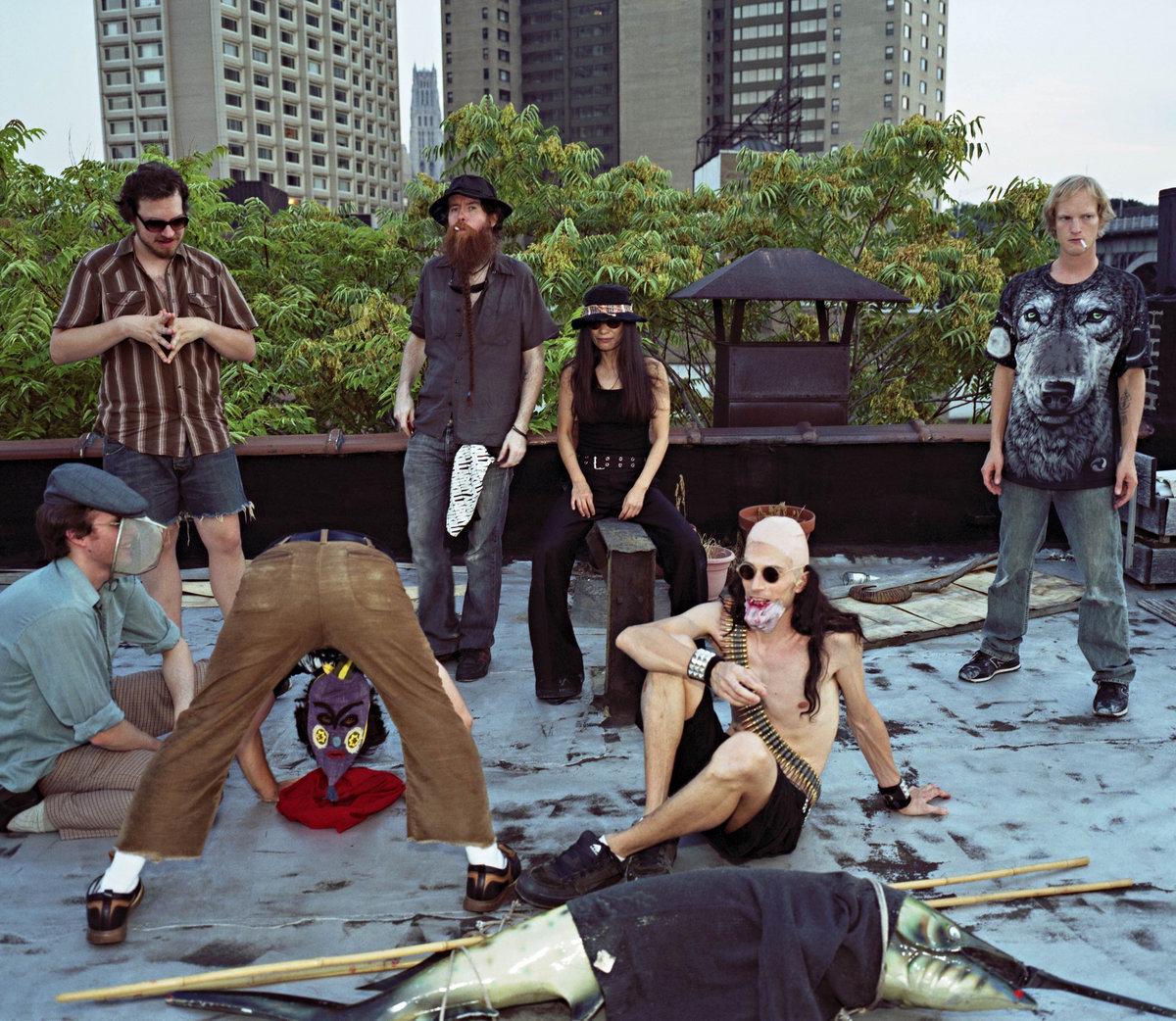
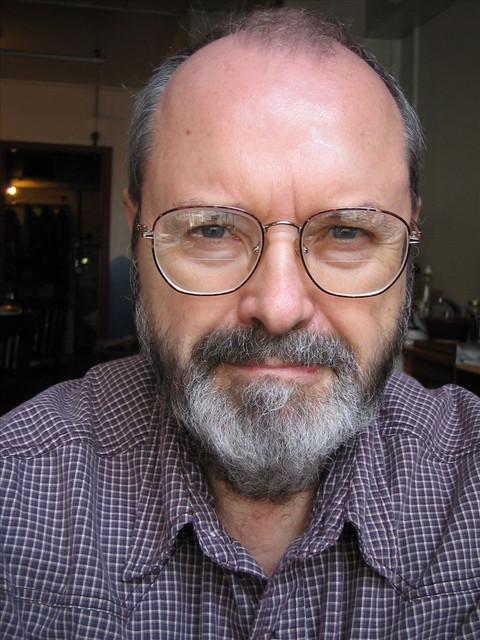
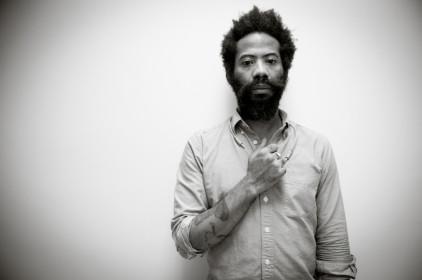
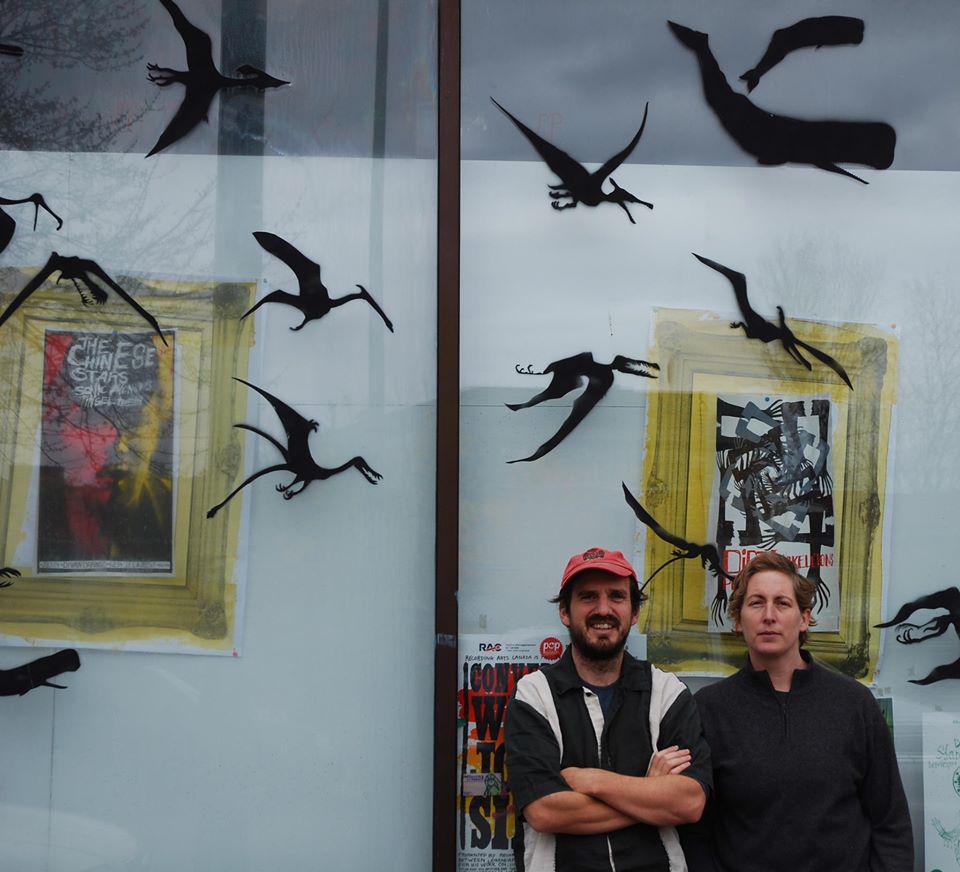
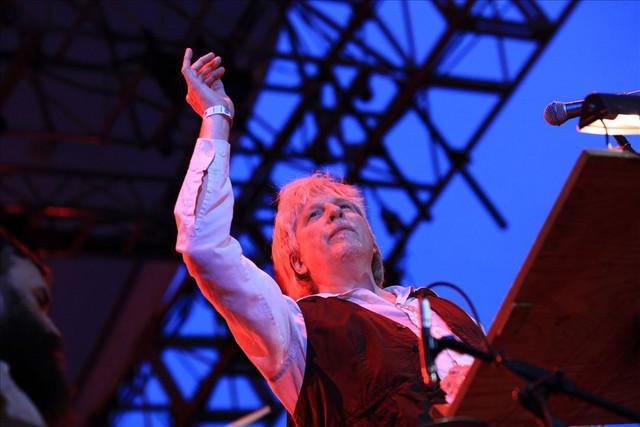
Rhys Chatham’s Spotify BioPost-minimalist composer and New York downtown music figure Rhys Chatham was involved in music at an early age. He studied classical flute, and was already playing works by contemporary composers such as Luciano Berio and Pierre Boulez by the time he began studying composition (including serialism) in his early teens. Chatham started writing electronic works after meeting Morton Subotnick in college, and came into contact with Eliane Radigue, Maryanne Amacher, and Ingram Marshall, among others, at NYU's Studio for Electronic Music. Starting in the '70s, Chatham began composing in just intonation, and made a living tuning instruments, sometimes in trade for lessons, as he did with LaMonte Young. He played in Young's Dream House band and in a group with Tony Conrad during this time. Later in the '70s, Chatham began incorporating rock elements into his music and explored non-notated forms. The rock part of his work mainly focused on electric guitars which he was inspired to love after… seeing the Ramones play at CBGB's. Chatham's guitar works -- the first of which, "Guitar Trio," was premiered by a trio including Glenn Branca -- were played at high volumes, revealing the overtones, which can sound like voices, but also resulted in tinnitus for him by the early '80s. Chatham's better-known guitar works include "Drastic Classicism" (1982) for four guitars with alternate tunings, and the symphony "An Angel Moves Too Fast to See" (1989) for 100 electric guitars (with bass and drums). Performances of his large-scale works utilized guitarists including Bill Brovold (who went on to form Larval) and Robert Poss (Band of Susans). Chatham began composing for brass (such as "Factor X") in addition to guitar, and resumed notating his works. After years of living in NYC, he relocated to Paris. Chatham also began incorporating his trumpeting (often electrified, with effects) after about a decade of studying the instrument. You can hear his trumpet on Hard Edge (1999, Wire Editions) and Neon (1996, NTone), an album by Chatham and Martin Wheeler. In the late '90s, Chatham co-founded the group Septile with a Bronx DJ and ex-Swans drummer Jonathan Kane. ~ Joslyn Layne, Rovi
Viberate is a music analytics platform built for A&Rs, artist managers, labels, booking agents, marketers, and artists.
It helps music professionals track artist growth, analyze audience data, monitor playlist activity, compare artists, follow song performance, and identify opportunities across the music market.
Public artist pages provide a free preview of selected artist data. Paid plans provide access to deeper analytics, historical data, charts, comparisons, playlist tools, exports, alerts, reports, and additional professional features.
Yes. Public Viberate artist pages provide selected artist analytics and music data for free.
Viberate also offers a 7-day free trial of the full platform. A credit card is required to start the trial. The trial includes access to the complete product so users can test deeper artist analytics, historical views, playlist insights, comparisons, charts, exports, alerts, and reporting features before choosing a paid plan.
Viberate provides artist analytics across streaming, playlists, social media, video, radio airplay, songs, and audience markets.
Users can analyze Spotify performance, Spotify and Apple Music playlists, YouTube activity, TikTok and Instagram growth, radio spins, song performance, audience locations, demographics, rankings, and overall artist momentum.
Artist profiles also connect to music charts, similar artists, and comparison tools, helping users benchmark performance and evaluate artists in context.
Viberate updates key artist and track data daily.
For followed artists and tracks, selected data is refreshed multiple times per day. This helps teams monitor playlist changes, streaming movement, audience growth, releases, and campaign performance with more current data.
Update frequency can vary depending on the metric and data source.
Yes. Viberate lets users compare up to five artists side by side across streaming, social media, audience, and engagement metrics.
Users can compare fanbase growth, audience demographics, locations, Spotify performance, social metrics, and other artist data over selected time periods.
Artist comparison can be used for A&R scouting, benchmarking, booking decisions, campaign planning, and evaluating artists with similar audiences or market positions.