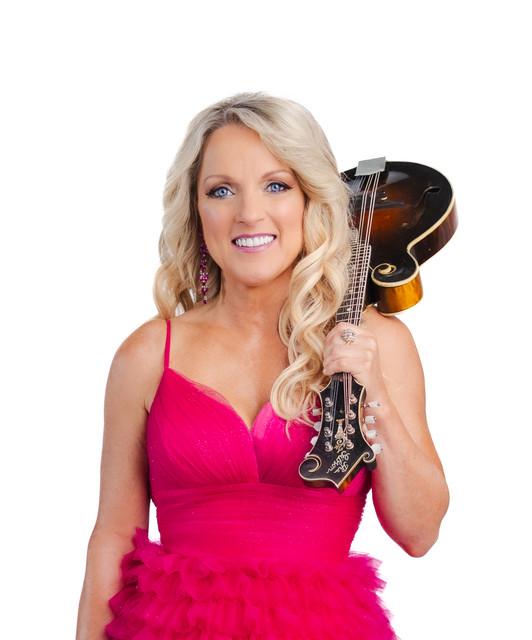
Rhonda Vincent

Country
Bluegrass
 Viberate Rank: 43436
 Viberate Rank: 43436
 Monthly ListenersFollowers
 Subscribers
 Followers
 Followers
 FansTop Spotify Songs
| Track | 7-Day Streams | |
|---|---|---|
1 | 10.04K | |
2 | 8.94K | |
3 | 8.07K | |
4 | 6.80K | |
5 | 3.35K |
Top YouTube Videos| Video | 7-Day Views | |
|---|---|---|
1 | 21.60K | |
2 | 12.94K | |
3 | 11.88K | |
4 | 6.37K | |
5 | 1.87K |
Monthly ListenersFeatured in Playlists| Playlist | Followers | |
|---|---|---|
1 |  Women of Folk Spotify | 336.56K |
2 |  Bluegrass Covers Spotify | 287.92K |
3 |  Americana Icons Spotify | 241.64K |
4 |  Grass Roots Spotify | 168.81K |
5 |  Revamp & Restoration: Reimagining the Songs of Elton John & Bernie Taupin Elton John | 45.74K |
Audience| City | Monthly Listeners | |
|---|---|---|
1 | | 2.07K |
2 | | 1.47K |
3 | | 1.36K |
4 | | 1.22K |
5 | | 1.21K |
See full performance history, audience data, playlist activity, rankings, comparisons, and more in Viberate music analytics. Start with a free trial, then continue with a paid plan.
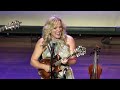
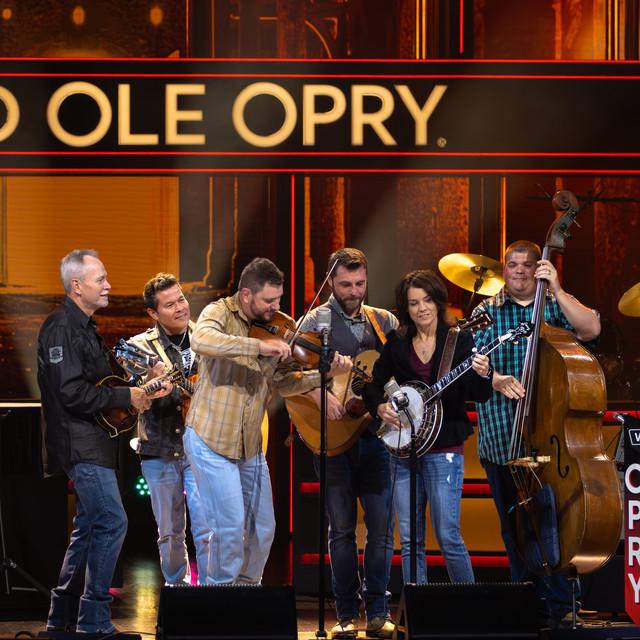
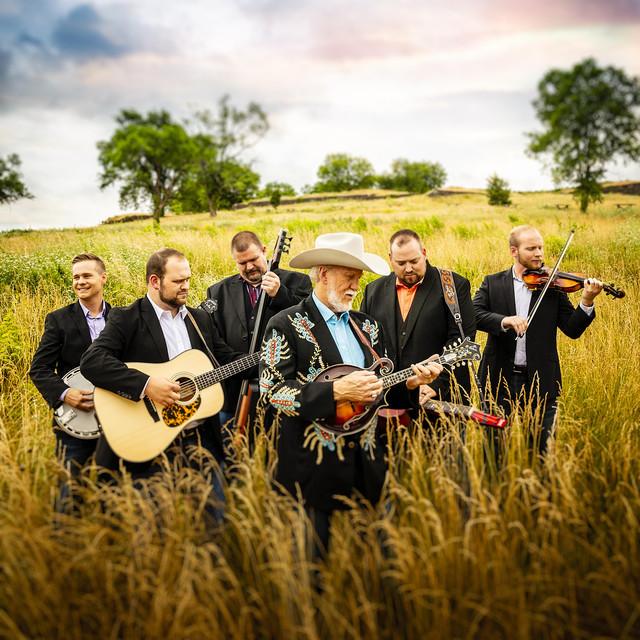
Rhonda Vincent’s Spotify BioBluegrass star Rhonda Vincent is a vocalist who is also a gifted multi-instrumentalist, best known for her work on the mandolin and also proficient in fiddle, guitar, and banjo. Vincent's music honors the traditions of classic bluegrass while also finding room for the more contemporary melodic and lyrical outlook of country, and her backing band the Rage has the skill to keep up with her abilities as a picker and harmony singer. 1991's Timeless and True Love was an impressive early effort, 1996's Trouble Free came from a brief period where she dabbled in a mainstream country career, 2003's One Step Ahead found her back in bluegrass and sounding nimble and confident, and 2021's Music Is What I See is a collection of classic and contemporary bluegrass covers.
Rhonda Vincent began her professional music career at the age of five, playing drums with her family's band, the Sally Mountain Show. She picked up the mandolin at eight and the fiddle at ten, performing with the family band at… festivals on weekends. After appearing on TNN's nationally televised You Can Be a Star program in her mid-twenties, Vincent struck out on her own, singing with the Grand Ole Opry's Jim Ed Brown, eventually leading to a deal with Rebel Records. Her work with Brown and her Rebel recordings caught the attention of Giant Nashville's president, James Stroud, who signed Vincent to record two contemporary country albums. After her time at Giant, she moved to Rounder Records, and demonstrated her passion for the traditional music she grew up with on Back Home Again.
A car accident in December 1999 kept her from a planned trip to Nashville for auditions, so she hired her band (unusually billed as the Rage) through the Internet. Rhonda Vincent & the Rage gained popularity with steady work at bluegrass festivals, playing hard-driving, high-energy contemporary bluegrass music. Her 2001 album, The Storm Still Rages, was nominated for seven International Bluegrass Music Association awards, including Female Vocalist of the Year, while fiddle player Michael Cleveland and banjo player Tom Adams earned nominations in their respective instrumental categories. A three-year unbroken string of IBMA Female Vocalist of the Year awards led to the 2003 release of One Step Ahead, another tour, and another well-deserved showering of critical praise.
Recorded in front of a hometown crowd in St. Louis, Ragin' Live arrived in 2005, followed by All American Bluegrass Girl in 2006, Good Thing Going in 2008, and Destination Life in 2009. After parting ways with longtime label Rounder Records, Vincent released Taken in 2010, and followed it with 2011's Your Money and My Good Looks, a duets album with Gene Watson. Released in 2012, Sunday Mornin' Singin': Live! was a gospel-themed album and DVD recorded at the 100-year-old Greentop United Methodist Church in Greentop, Missouri, where Vincent first began singing as a child. Early in 2014, Vincent returned with Only Me, a double-disc set that showcased her bluegrass and country roots.
The year 2015 saw the release of her second holiday album, Christmas Time, which featured four new originals and a rendition of "The Twelve Days of Christmas" that boasted guest spots from Dolly Parton, Willie Nelson, the Oak Ridge Boys, and several others. In 2017 Vincent issued the concert album/video All the Rage, which included 14 tracks culled from a 2015 Rhonda Vincent & the Rage show recorded at the Bethel Performing Arts Center in Tennessee. Vincent teamed up with country star Daryle Singletary for a duet album, 2017's American Grandstand, a set that featured their interpretations of both country classics and like-minded originals. Vincent stepped out on her own again with 2021's Grammy-nominated Music Is What I See, in which she offered her take on bluegrass songs of the past and present. ~ Zac Johnson & Mark Deming, Rovi
Viberate is a music analytics platform built for A&Rs, artist managers, labels, booking agents, marketers, and artists.
It helps music professionals track artist growth, analyze audience data, monitor playlist activity, compare artists, follow song performance, and identify opportunities across the music market.
Public artist pages provide a free preview of selected artist data. Paid plans provide access to deeper analytics, historical data, charts, comparisons, playlist tools, exports, alerts, reports, and additional professional features.
Yes. Public Viberate artist pages provide selected artist analytics and music data for free.
Viberate also offers a 7-day free trial of the full platform. A credit card is required to start the trial. The trial includes access to the complete product so users can test deeper artist analytics, historical views, playlist insights, comparisons, charts, exports, alerts, and reporting features before choosing a paid plan.
Viberate provides artist analytics across streaming, playlists, social media, video, radio airplay, songs, and audience markets.
Users can analyze Spotify performance, Spotify and Apple Music playlists, YouTube activity, TikTok and Instagram growth, radio spins, song performance, audience locations, demographics, rankings, and overall artist momentum.
Artist profiles also connect to music charts, similar artists, and comparison tools, helping users benchmark performance and evaluate artists in context.
Viberate updates key artist and track data daily.
For followed artists and tracks, selected data is refreshed multiple times per day. This helps teams monitor playlist changes, streaming movement, audience growth, releases, and campaign performance with more current data.
Update frequency can vary depending on the metric and data source.
Yes. Viberate lets users compare up to five artists side by side across streaming, social media, audience, and engagement metrics.
Users can compare fanbase growth, audience demographics, locations, Spotify performance, social metrics, and other artist data over selected time periods.
Artist comparison can be used for A&R scouting, benchmarking, booking decisions, campaign planning, and evaluating artists with similar audiences or market positions.