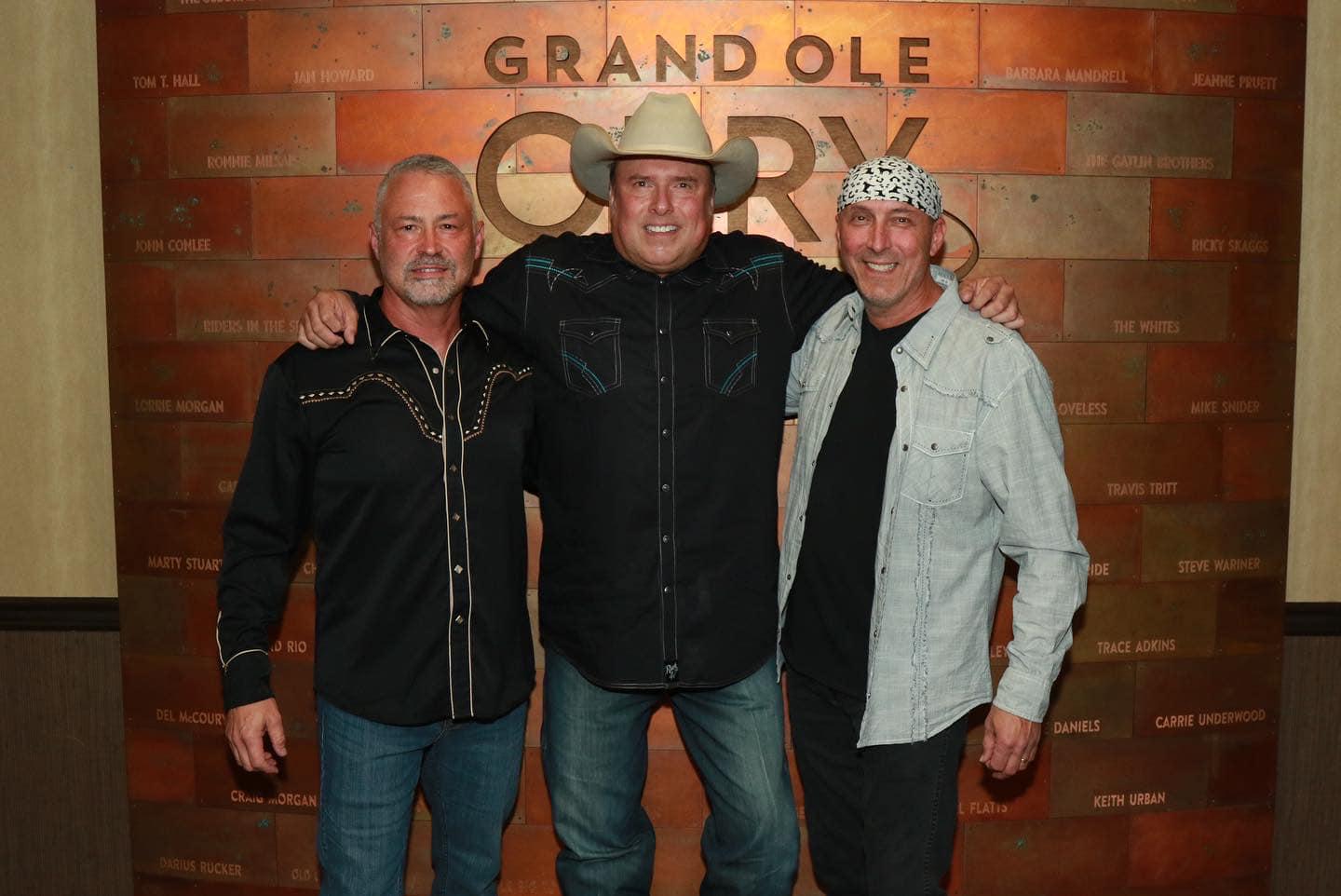
Rhett Akins

Country
Contemporary Country
 Viberate Rank: 24720
 Viberate Rank: 24720
 Monthly ListenersFollowers
 Subscribers
 Followers
 Followers
 FansTop Spotify Songs
| Track | 7-Day Streams | |
|---|---|---|
1 | 246.89K | |
2 | 54.63K | |
3 | 35.60K | |
4 | 30.48K | |
5 | 18.17K |
Top YouTube VideosMonthly ListenersFeatured in Playlists| Playlist | Followers | |
|---|---|---|
1 |  90s Country Spotify | 2.29M |
2 |  Traditional Country Spotify | 838.72K |
3 |  Country Americano - O melhor Thiago Arruda | 251.57K |
4 |  Old country classics and more Sam B. | 227.72K |
5 |  90's Country (Top 100) aly.matthews16 | 193.28K |
Audience| City | Monthly Listeners | |
|---|---|---|
1 | | 20.51K |
2 | | 15.57K |
3 | | 13.17K |
4 | | 13.00K |
5 | | 12.82K |
See full performance history, audience data, playlist activity, rankings, comparisons, and more in Viberate music analytics. Start with a free trial, then continue with a paid plan.
Rhett Akins’ Spotify BioWith his Top Five single "That Ain't My Truck," Rhett Akins became a sensation, however briefly, in the summer of 1995. Like many new country singers, he wasn't able to follow the record up with an equally successful second record, but he managed to cultivate a following of dedicated fans.
Aikins grew up in Valdosta, GA, learning to play guitar and forming his first band with his two younger brothers by the time he was 11. In 1992, he moved to Nashville, where he began singing on demos, as well as securing a publishing deal of his own. Eventually, Decca Records secured a demo of one of Akins' songs and the label offered him a contract.
A Thousand Memories, Akins' debut album, was released in 1994. After his first two singles -- "What They're Talkin' About" and "I Brake for Brunettes" -- cracked the Top 40, "That Ain't My Truck" became his breakthrough hit, rocketing to number three in the summer of 1995. "That Ain't My Truck" became his signature song and helped the album become a hit.… For most of 1995, he toured as Reba McEntire's opening act, performing a few dates as a headliner as well.
In the summer of 1996, Akins released his second album, Somebody New. Although the record sold well initially, it quickly fell out of the Top 40. He returned in January 1998 with his third album, What Livin's All About. He signed with Audiom Records for 2002's Friday Night in Dixie and later with BNA Records for 2006's People Like Me. ~ Stephen Thomas Erlewine, Rovi
Viberate is a music analytics platform built for A&Rs, artist managers, labels, booking agents, marketers, and artists.
It helps music professionals track artist growth, analyze audience data, monitor playlist activity, compare artists, follow song performance, and identify opportunities across the music market.
Public artist pages provide a free preview of selected artist data. Paid plans provide access to deeper analytics, historical data, charts, comparisons, playlist tools, exports, alerts, reports, and additional professional features.
Yes. Public Viberate artist pages provide selected artist analytics and music data for free.
Viberate also offers a 7-day free trial of the full platform. A credit card is required to start the trial. The trial includes access to the complete product so users can test deeper artist analytics, historical views, playlist insights, comparisons, charts, exports, alerts, and reporting features before choosing a paid plan.
Viberate provides artist analytics across streaming, playlists, social media, video, radio airplay, songs, and audience markets.
Users can analyze Spotify performance, Spotify and Apple Music playlists, YouTube activity, TikTok and Instagram growth, radio spins, song performance, audience locations, demographics, rankings, and overall artist momentum.
Artist profiles also connect to music charts, similar artists, and comparison tools, helping users benchmark performance and evaluate artists in context.
Viberate updates key artist and track data daily.
For followed artists and tracks, selected data is refreshed multiple times per day. This helps teams monitor playlist changes, streaming movement, audience growth, releases, and campaign performance with more current data.
Update frequency can vary depending on the metric and data source.
Yes. Viberate lets users compare up to five artists side by side across streaming, social media, audience, and engagement metrics.
Users can compare fanbase growth, audience demographics, locations, Spotify performance, social metrics, and other artist data over selected time periods.
Artist comparison can be used for A&R scouting, benchmarking, booking decisions, campaign planning, and evaluating artists with similar audiences or market positions.