RHEA

Punk
Punk Rock
Indie Rock
 Viberate Rank: 347502
 Viberate Rank: 347502
 Monthly ListenersFollowers
 Subscribers
 Followers
 Followers
 FansTop Spotify Songs
| Track | 7-Day Streams | |
|---|---|---|
1 | 800 | |
2 | 392 | |
3 | 318 | |
4 | 234 | |
5 | 170 |
Top YouTube VideosMonthly ListenersFeatured in Playlists| Playlist | Followers | |
|---|---|---|
1 | Best of 80s, 70s, 60s, 90s, 00s, 2010s Arthur Cnudde | 25.72K |
2 | 160 bpm running Bruno Mortier | 14.49K |
3 |  Belgian Classics 🇧🇪 Mathias Daelman | 12.68K |
4 |  ROCK WERCHTER 2022 Robbe Dumarey | 5.16K |
5 | Drums Aeneas van Waterschoot | 4.09K |
Audience| City | Monthly Listeners | |
|---|---|---|
1 | | 289 |
2 | | 206 |
3 | | 183 |
4 |  | 104 |
5 | | 58 |
See full performance history, audience data, playlist activity, rankings, comparisons, and more in Viberate music analytics. Start with a free trial, then continue with a paid plan.
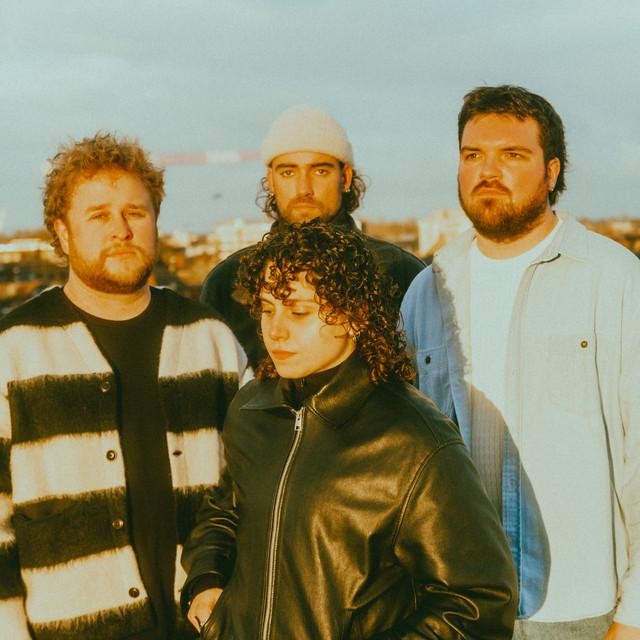
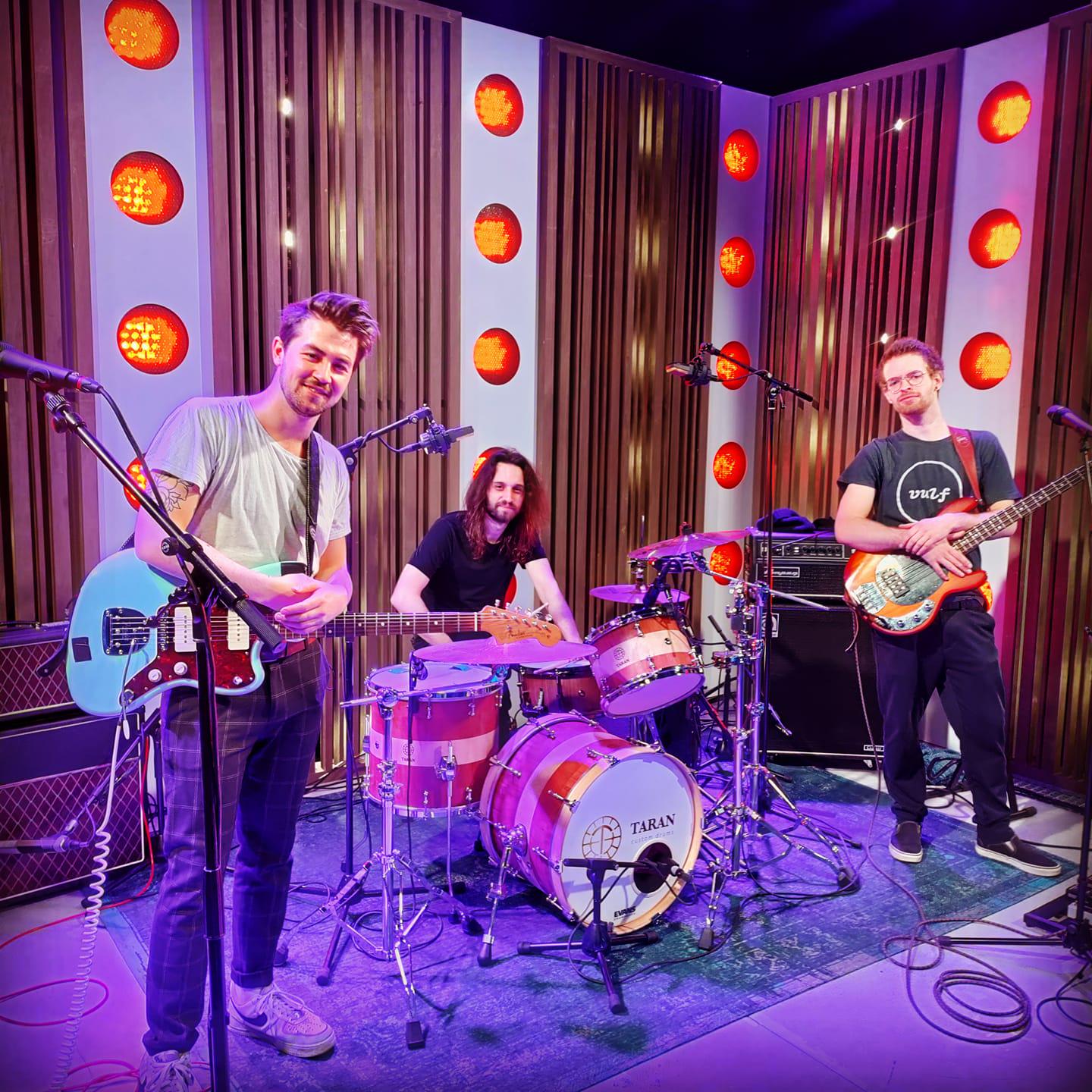
RHEA’s Spotify BioWhen things are burnt to the ground and all you’re left with are ashes, there are two things you can do: throw in the towel, or pick yourself up again and realize that ashes actually make for very fertile ground. That’s kind of what happened to RHEA over the past couple of years. Now they’re back, shaking off the label of a purely power rock band with new music (second album coming in 2024!), sounding groovier than ever.
You have to be firm on your feet when your band is hailed as the nation’s new hope for good old, straightforward rock music, which is what happened to RHEA in 2016. They only had one song, and suddenly had to find their place in the Belgian music scene. And so they did, for four years on end: writing songs, releasing a bunch of singles, killing it live (supporting Royal Blood or as head act), and recording and releasing the debut album.
The first 6 years after their breakthrough were quite the roller coaster for RHEA, eventually hitting rock bottom, not knowing where to… go next. But now they’re back on track, more determined than ever. The second album will in many ways bring salvation, grown on the fertile ground provided by the ashes that started it all.
Viberate is a music analytics platform built for A&Rs, artist managers, labels, booking agents, marketers, and artists.
It helps music professionals track artist growth, analyze audience data, monitor playlist activity, compare artists, follow song performance, and identify opportunities across the music market.
Public artist pages provide a free preview of selected artist data. Paid plans provide access to deeper analytics, historical data, charts, comparisons, playlist tools, exports, alerts, reports, and additional professional features.
Yes. Public Viberate artist pages provide selected artist analytics and music data for free.
Viberate also offers a 7-day free trial of the full platform. A credit card is required to start the trial. The trial includes access to the complete product so users can test deeper artist analytics, historical views, playlist insights, comparisons, charts, exports, alerts, and reporting features before choosing a paid plan.
Viberate provides artist analytics across streaming, playlists, social media, video, radio airplay, songs, and audience markets.
Users can analyze Spotify performance, Spotify and Apple Music playlists, YouTube activity, TikTok and Instagram growth, radio spins, song performance, audience locations, demographics, rankings, and overall artist momentum.
Artist profiles also connect to music charts, similar artists, and comparison tools, helping users benchmark performance and evaluate artists in context.
Viberate updates key artist and track data daily.
For followed artists and tracks, selected data is refreshed multiple times per day. This helps teams monitor playlist changes, streaming movement, audience growth, releases, and campaign performance with more current data.
Update frequency can vary depending on the metric and data source.
Yes. Viberate lets users compare up to five artists side by side across streaming, social media, audience, and engagement metrics.
Users can compare fanbase growth, audience demographics, locations, Spotify performance, social metrics, and other artist data over selected time periods.
Artist comparison can be used for A&R scouting, benchmarking, booking decisions, campaign planning, and evaluating artists with similar audiences or market positions.