Rex Brown

Rock
Hard Rock
Groove Metal
 Viberate Rank: 81290
 Viberate Rank: 81290
 Monthly ListenersFollowers
 Subscribers
 Followers
 Followers
 FansTop Spotify Songs
| Track | 7-Day Streams | |
|---|---|---|
1 | 1.55K | |
2 | 305 | |
3 | 210 | |
4 | 186 | |
5 | 103 |
Top YouTube VideosMonthly ListenersFeatured in Playlists| Playlist | Followers | |
|---|---|---|
1 | Hard Rock Training/Workout nachpe | 26.21K |
2 |  Country Metal 🤠 xWILLOWx | 10.34K |
3 |  HEAVY Southern Rock 🤘💪🤘 | 4.50K |
4 |  𝐏𝐬𝐲𝐜𝐡edelic 𝐒𝐭𝐨𝐧𝐞𝐫 𝐌𝐚𝐫𝐬𝐡 𝙎𝙩𝙤𝙢𝙥𝙞𝙣𝙜𝙇𝙡𝙖𝙢𝙖 | 3.18K |
5 |  🤘Metal Bardcore🤘 Nathan | 2.91K |
Audience| City | Monthly Listeners | |
|---|---|---|
1 | | 66 |
2 |  | 53 |
3 | | 52 |
4 |  | 50 |
5 |  | 47 |
See full performance history, audience data, playlist activity, rankings, comparisons, and more in Viberate music analytics. Start with a free trial, then continue with a paid plan.
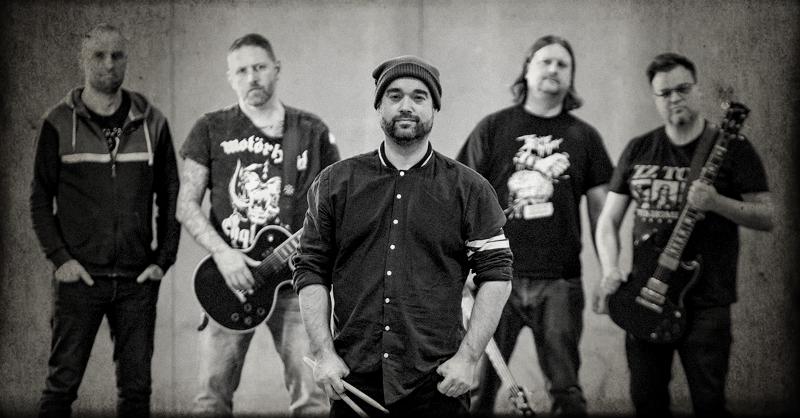
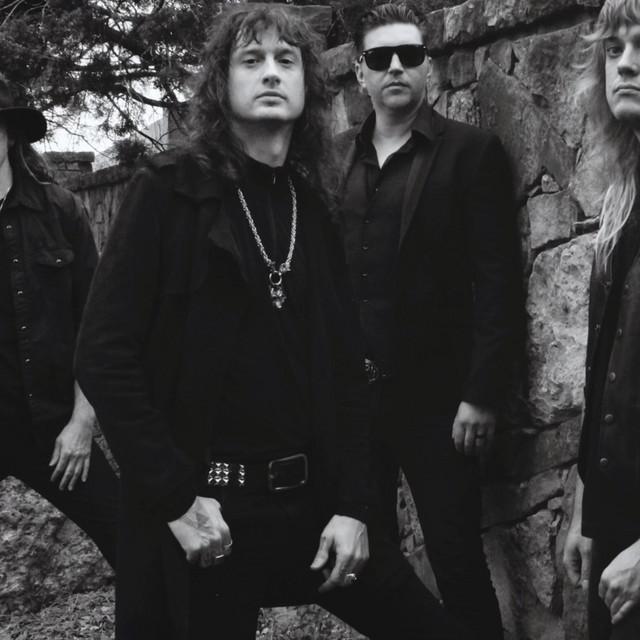
Rex Brown’s Spotify BioAs one of the founding members of Pantera, Rex Brown was an influential figure in hard rock and metal in the '90s and 2000s before launching a solo career in the 2010s. Brown was born on July 27, 1964 in Graham, Texas. His first instrument was piano, and he learned to play ragtime tunes from his grandmother. As he grew into his teenage years, Brown discovered hard rock, and became a major fan of ZZ Top, Def Leppard, Led Zeppelin, and Black Sabbath. When he was 12, he began learning to play bass guitar, and played in his high school's jazz band alongside drummer Vinnie Abbott. In 1982, Brown and Abbott joined forces with Vinnie's brother Darrell Abbott and vocalist Terry Glaze to form a heavy metal band called Pantera. It wasn't until 1990 that Pantera enjoyed a commercial breakthrough with their first major-label album, Cowboys from Hell, by which time Phil Anselmo had become the band's lead singer, the Abbott brothers adopted the stage names Vinnie Paul and Dimebag Darrell, and Brown… began using his own name after being billed as Rex Rocker on the group's early independent LPs. Brown would record four studio albums with Pantera following their emergence on the national stage before the group broke up after the release of Reinventing the Steel in 2000.
In 1998, during downtime from Pantera, Brown played bass on the album Boggy Depot by Alice in Chains guitarist Jerry Cantrell, and he would later reunite with Pantera vocalist Anselmo in the group Down, appearing on the albums Down II (A Bustle in Your Hedgerow) (2002) and Down III: Over the Under (2007) before parting ways with the group. In 2004, Brown served as producer and instrumentalist on Crowbar's album Life's Blood for the Downtrodden, and in 2006, material Brown recorded with Dimebag Darrell, Vinnie Paul, and outlaw country legend David Allan Coe between 1999 and 2003 saw belated release under the title Rebel Meets Rebel. In 2008, Brown guested on the album Inflikted by Cavalera Conspiracy, led by former Soulfly and Sepultura vocalist Max Cavalera. Brown next co-founded the band Kill Devil Hill, who released their self-titled debut album in 2012. In 2017, after a recording career that had already lasted over three decades, Brown released his first solo album, Smoke on This..., which found him playing guitar as well as bass. ~ Mark Deming, Rovi
Viberate is a music analytics platform built for A&Rs, artist managers, labels, booking agents, marketers, and artists.
It helps music professionals track artist growth, analyze audience data, monitor playlist activity, compare artists, follow song performance, and identify opportunities across the music market.
Public artist pages provide a free preview of selected artist data. Paid plans provide access to deeper analytics, historical data, charts, comparisons, playlist tools, exports, alerts, reports, and additional professional features.
Yes. Public Viberate artist pages provide selected artist analytics and music data for free.
Viberate also offers a 7-day free trial of the full platform. A credit card is required to start the trial. The trial includes access to the complete product so users can test deeper artist analytics, historical views, playlist insights, comparisons, charts, exports, alerts, and reporting features before choosing a paid plan.
Viberate provides artist analytics across streaming, playlists, social media, video, radio airplay, songs, and audience markets.
Users can analyze Spotify performance, Spotify and Apple Music playlists, YouTube activity, TikTok and Instagram growth, radio spins, song performance, audience locations, demographics, rankings, and overall artist momentum.
Artist profiles also connect to music charts, similar artists, and comparison tools, helping users benchmark performance and evaluate artists in context.
Viberate updates key artist and track data daily.
For followed artists and tracks, selected data is refreshed multiple times per day. This helps teams monitor playlist changes, streaming movement, audience growth, releases, and campaign performance with more current data.
Update frequency can vary depending on the metric and data source.
Yes. Viberate lets users compare up to five artists side by side across streaming, social media, audience, and engagement metrics.
Users can compare fanbase growth, audience demographics, locations, Spotify performance, social metrics, and other artist data over selected time periods.
Artist comparison can be used for A&R scouting, benchmarking, booking decisions, campaign planning, and evaluating artists with similar audiences or market positions.