Rev. James Moore

Religious
Christian Music
Gospel
 Viberate Rank: 134629
 Viberate Rank: 134629
 Monthly ListenersFollowers
 Subscribers
 Followers
 Followers
 FansTop Spotify Songs
| Track | 7-Day Streams | |
|---|---|---|
1 | 8.26K | |
2 | 5.77K | |
3 | 3.22K | |
4 | 2.63K | |
5 | 2.13K |
Top YouTube VideosMonthly ListenersFeatured in Playlists| Playlist | Followers | |
|---|---|---|
1 | Black Gospel Praise and Worship diywithme772 | 81.53K |
2 |  Easter Gospel Spotify | 55.85K |
3 | GOSPEL CLASSICS Patrice Troope | 53.46K |
4 | Old Black Church Gospel Alex | 37.05K |
5 |  Gospel Playlist Best milltay | 12.16K |
Audience| City | Monthly Listeners | |
|---|---|---|
1 | | 1.66K |
2 | | 1.40K |
3 | | 1.35K |
4 | | 1.33K |
5 | | 950 |
See full performance history, audience data, playlist activity, rankings, comparisons, and more in Viberate music analytics. Start with a free trial, then continue with a paid plan.
Rev. James Moore’s Spotify BioAccorded entry into the gospel field thanks to a scholarship received at the 1974 Gospel Music Workshop of America, Rev. James Moore earned a record contract with Savoy that same year and began releasing albums. Born in Detroit, he made his first appearance at the front of church at the age of seven and was introduced to gospel matriarch Mattie Moss Clark by a friend. With the help of Clark -- and the tremendous influence of the Revs. James Cleveland and Richard White -- Moore entered gospel music with 1974's I Thank You Master. He was also invited by Rev. Gerald Thompson to appear on his LP I Can't Stop Now that same year.
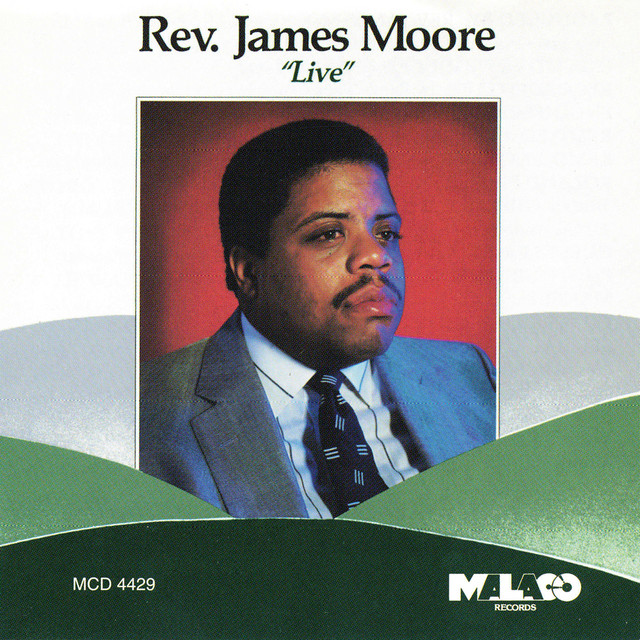
Rev. James Moore recorded infrequently during the 1980s (for a variety of labels), but returned to Malaco/Savoy in 1988 for Live: Rev. James Moore. The album hit the Top Ten on the gospel charts, and earned Moore a Stellar Award for Best Male Solo Performance. He appeared on the debut album by the Mississippi Mass Choir in 1987, and enjoyed the LP's enormous success… (over half a year at the top of the gospel charts, almost a dozen awards from GMWA and Dove); the choir returned the favor by appearing on one of his albums, 1991's Live with the Mississippi Mass Choir. It also went to number one, prompting live albums recorded in Moore's hometown of Detroit and Jackson State University during the mid-'90s. His 1994 album I Will Trust in the Lord earned Rev. Moore his first Grammy nomination. ~ John Bush, Rovi
Viberate is a music analytics platform built for A&Rs, artist managers, labels, booking agents, marketers, and artists.
It helps music professionals track artist growth, analyze audience data, monitor playlist activity, compare artists, follow song performance, and identify opportunities across the music market.
Public artist pages provide a free preview of selected artist data. Paid plans provide access to deeper analytics, historical data, charts, comparisons, playlist tools, exports, alerts, reports, and additional professional features.
Yes. Public Viberate artist pages provide selected artist analytics and music data for free.
Viberate also offers a 7-day free trial of the full platform. A credit card is required to start the trial. The trial includes access to the complete product so users can test deeper artist analytics, historical views, playlist insights, comparisons, charts, exports, alerts, and reporting features before choosing a paid plan.
Viberate provides artist analytics across streaming, playlists, social media, video, radio airplay, songs, and audience markets.
Users can analyze Spotify performance, Spotify and Apple Music playlists, YouTube activity, TikTok and Instagram growth, radio spins, song performance, audience locations, demographics, rankings, and overall artist momentum.
Artist profiles also connect to music charts, similar artists, and comparison tools, helping users benchmark performance and evaluate artists in context.
Viberate updates key artist and track data daily.
For followed artists and tracks, selected data is refreshed multiple times per day. This helps teams monitor playlist changes, streaming movement, audience growth, releases, and campaign performance with more current data.
Update frequency can vary depending on the metric and data source.
Yes. Viberate lets users compare up to five artists side by side across streaming, social media, audience, and engagement metrics.
Users can compare fanbase growth, audience demographics, locations, Spotify performance, social metrics, and other artist data over selected time periods.
Artist comparison can be used for A&R scouting, benchmarking, booking decisions, campaign planning, and evaluating artists with similar audiences or market positions.