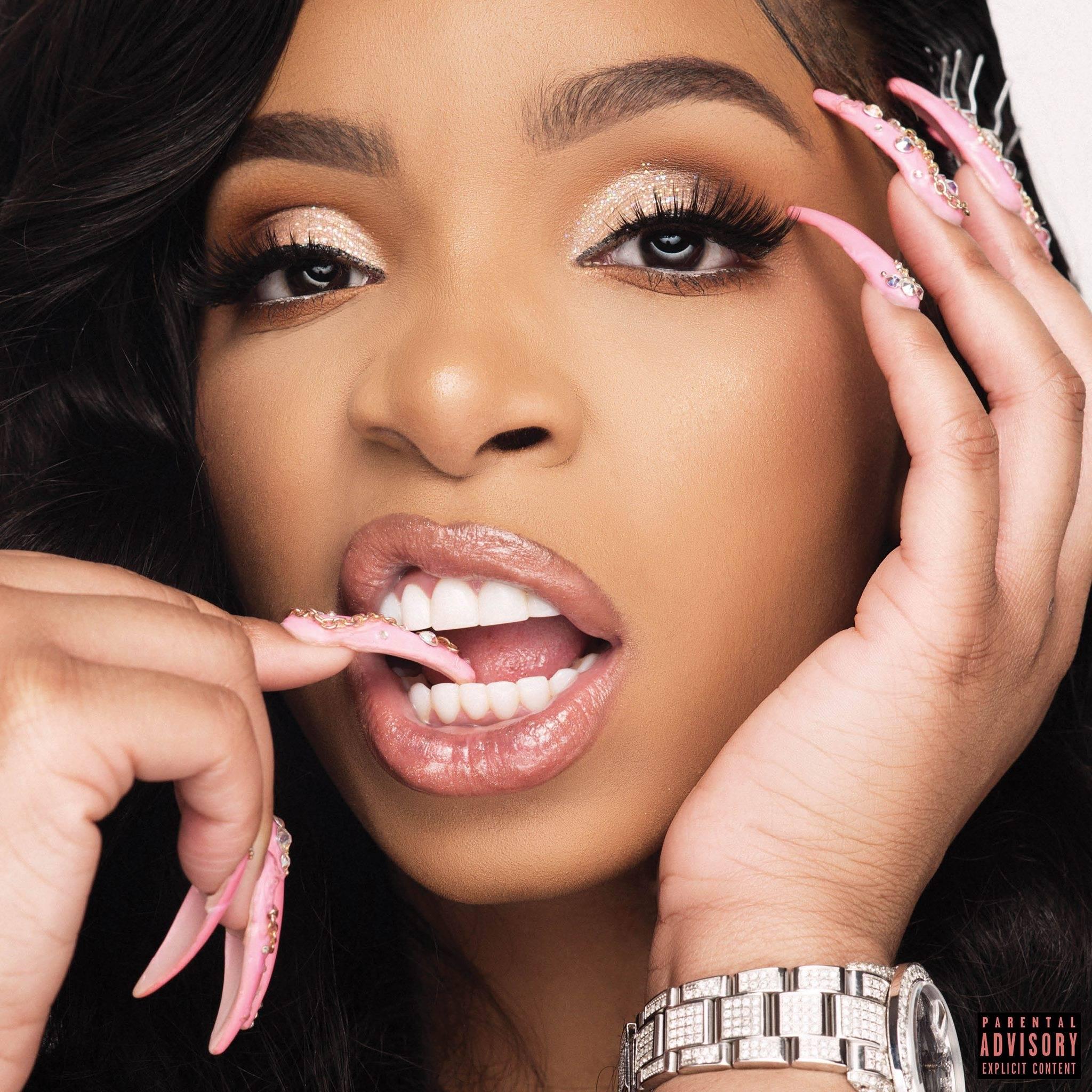
Renni Rucci

Hip Hop
Trap
Alternative Hip Hop
 Viberate Rank: 17621
 Viberate Rank: 17621
 Monthly ListenersFollowers
 Subscribers
 Followers
 Followers
 FansTop Spotify Songs
| Track | 7-Day Streams | |
|---|---|---|
1 | 37.24K | |
2 | 8.43K | |
3 | 4.69K | |
4 | 3.64K | |
5 | 2.94K |
Top YouTube Videos| Video | 7-Day Views | |
|---|---|---|
1 | 29.52K | |
2 | 13.20K | |
3 | 5.43K | |
4 | 3.03K | |
5 | 2.30K |
Monthly ListenersFeatured in Playlists| Playlist | Followers | |
|---|---|---|
1 |  Work It, Own It Spotify | 649.81K |
2 |  R&B Club Jams HITS | 169.53K |
3 |  Bad For Me Kevin Gates | 79.65K |
4 | WE OUTSIDEEEE ray | 78.27K |
5 |  The Rap Game 2019 Michael Patrick | 77.59K |
Audience| City | Monthly Listeners | |
|---|---|---|
1 | | 3.15K |
2 | | 3.05K |
3 | | 2.83K |
4 | | 2.78K |
5 | | 2.66K |
See full performance history, audience data, playlist activity, rankings, comparisons, and more in Viberate music analytics. Start with a free trial, then continue with a paid plan.
Renni Rucci’s Spotify BioRenni Rucci started rapping by casually releasing her own remix versions of hits by Cardi B and 21 Savage, but she quickly developed into an artist with her own edgy, swaggering presence. Swiftly signed to the Quality Control family, her 2019 debut mixtape Big Renni was a nonstop barrage of sex, money, and attitude.
Born Courtney Rene in South Carolina in 1991, Renni Rucci first drew fandom and attention as a model and social media personality. Before she began rapping, Rucci had various Instagram accounts that accrued hundreds of thousands of followers. In 2017, she tried her hand at music with a series of spirited remixes, including Cardi B's "Bodak Yellow," 21 Savage's "Bank Account," Moneybagg Yo's "Trending," and Kodak Black's "Roll in Peace." These remixes put her on the map as a rapper and it wasn't long before she struck out with original tracks. In early 2018, Rucci posted the single "Mirror Mirror," and along with her multiple remixes, her iron-clad flows caught the attention… of Migos' label Quality Control. The label signed her to its subsidiary Wolf Pack Global Music, which released the ten-song mixtape Big Renni in May 2019. "F*ck Em Up Sis," its biggest single, quickly achieved over one million streams. ~ Fred Thomas, Rovi
Viberate is a music analytics platform built for A&Rs, artist managers, labels, booking agents, marketers, and artists.
It helps music professionals track artist growth, analyze audience data, monitor playlist activity, compare artists, follow song performance, and identify opportunities across the music market.
Public artist pages provide a free preview of selected artist data. Paid plans provide access to deeper analytics, historical data, charts, comparisons, playlist tools, exports, alerts, reports, and additional professional features.
Yes. Public Viberate artist pages provide selected artist analytics and music data for free.
Viberate also offers a 7-day free trial of the full platform. A credit card is required to start the trial. The trial includes access to the complete product so users can test deeper artist analytics, historical views, playlist insights, comparisons, charts, exports, alerts, and reporting features before choosing a paid plan.
Viberate provides artist analytics across streaming, playlists, social media, video, radio airplay, songs, and audience markets.
Users can analyze Spotify performance, Spotify and Apple Music playlists, YouTube activity, TikTok and Instagram growth, radio spins, song performance, audience locations, demographics, rankings, and overall artist momentum.
Artist profiles also connect to music charts, similar artists, and comparison tools, helping users benchmark performance and evaluate artists in context.
Viberate updates key artist and track data daily.
For followed artists and tracks, selected data is refreshed multiple times per day. This helps teams monitor playlist changes, streaming movement, audience growth, releases, and campaign performance with more current data.
Update frequency can vary depending on the metric and data source.
Yes. Viberate lets users compare up to five artists side by side across streaming, social media, audience, and engagement metrics.
Users can compare fanbase growth, audience demographics, locations, Spotify performance, social metrics, and other artist data over selected time periods.
Artist comparison can be used for A&R scouting, benchmarking, booking decisions, campaign planning, and evaluating artists with similar audiences or market positions.