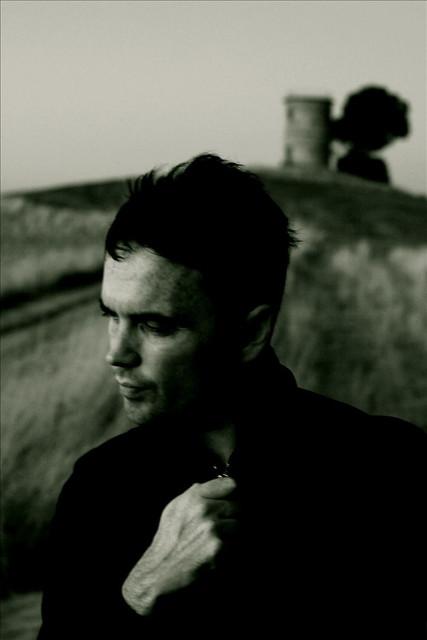
Regis

Electronic
Techno
Minimal Techno
 Viberate Rank: 197613
 Viberate Rank: 197613
 Monthly ListenersFollowers
 Subscribers
 Followers
 Followers
 FansTop Spotify Songs
| Track | 7-Day Streams | |
|---|---|---|
1 | 805 | |
2 | 693 | |
3 | 502 | |
4 | 475 | |
5 | 401 |
Top YouTube VideosMonthly ListenersFeatured in Playlists| Playlist | Followers | |
|---|---|---|
1 |  BERLIN TECHNO Ferdinand von Eltz-Rübenach | 73.33K |
2 |  HÖR BERLIN Rhadamanthus | 40.07K |
3 | Berghain Music Roman Wäger | 39.72K |
4 |  Dark Underground Techno Sanford | 29.44K |
5 | industrial techno Krzysztof Kwiatkowski | 27.61K |
Audience| City | Monthly Listeners | |
|---|---|---|
1 |  | 428 |
2 | | 309 |
3 |  | 253 |
4 | | 176 |
5 |  | 170 |
See full performance history, audience data, playlist activity, rankings, comparisons, and more in Viberate music analytics. Start with a free trial, then continue with a paid plan.
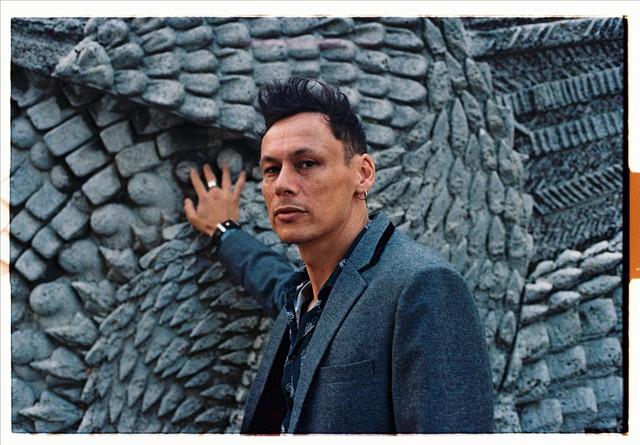
Regis’ Spotify BioRegis is a name that has become synonymous with techno and like those before him -- Jeff Mills, Robert Hood, Joey Beltram -- it has also become a sign of quality. The pseudonym of Birmingham, U.K.-born Karl O'Connor, Regis' story began in the early '90s. With a grounding in the post-punk and industrial scene of the '80s, O'Connor favored the rapidly increasing British techno sound being pioneered by the likes of Sweet Exorcist, Renegade Soundwave, and Cabaret Voltaire's Richard H. Kirk, and in 1993, along with Peter Sutton (Female), he founded Downwards. Approaching the label with true D.I.Y. aesthetics, Downwards released music from like-minded artists such as Surgeon and Female, but it wasn't until 1995 that the first Regis release appeared. The 12" Montreal was made up of three loop-driven slabs of industrial-techno, taking influence from Jeff Mills and Dave Clarke, a sound that Regis would become known for throughout the '90s.
After a slew of singles, Regis released his first album,… 1996's Gymnastics. It continued with the dark, cold, industrial-techno sound that had appeared on his previous 12" releases and was followed in 1998 with his second album, Delivered into the Hands of Indifference. That year also saw Regis work with his childhood heroes Robert Görl and Chrislo Hass of German industrial outfit D.A.F. and saw him round out the end of the '90s with the recording of a prestigious John Peel session.
With collaborations influencing his output, Regis' sound moved away from the loop-based techno he'd produced in the '90s, and with the beginning of the new millennium, O'Connor took field recordings and drones and incorporated them into his own brand of techno on his third album, 2001's Penetration. That year Regis teamed up with fellow techno artist Surgeon to form the British Murder Boys. Their mix of industrial drones, broken beats, and harsh loops helped redefine the techno landscape, spearheading a new direction in the genre.
Alongside longtime collaborators Female, Silent Servant, and Function, Regis helped form Sandwell District in 2002. Part label/part DJ collective, the mission was to continue with what had been started with Downwards, creating a truly D.I.Y. setup with like-minded individuals. The Sandwell collective went on to inform one of the biggest shifts in techno, with their sound influencing a whole new generation of producers and clubbers alike, particularly at Berlin's famous Berghain nightclub.
Focusing on the Sandwell District project, Regis' solo output slowed throughout the noughties but in 2011 he reappeared with the single In a Syrian Tongue on the newly formed Blackest Ever Black label. Toward the end of 2011, the three-disc retrospective Adolescence: The Complete Recordings 1994-2001 was released on Downwards, collecting together all of Regis' early work for the first time. Further EPs followed on both Downwards and Blackest Ever Black, including the double 12" Death Head Said (2012), Turin Versions (2013), and Blood Witness Versions (2014). In 2015, Blackest Ever Black released Manbait, a collection of Regis' remixes for the likes of Ike Yard, Vatican Shadow, and Tropic of Cancer, as well as selections from his singles and EPs for the label. ~ Richard Wilson, Rovi
Viberate is a music analytics platform built for A&Rs, artist managers, labels, booking agents, marketers, and artists.
It helps music professionals track artist growth, analyze audience data, monitor playlist activity, compare artists, follow song performance, and identify opportunities across the music market.
Public artist pages provide a free preview of selected artist data. Paid plans provide access to deeper analytics, historical data, charts, comparisons, playlist tools, exports, alerts, reports, and additional professional features.
Yes. Public Viberate artist pages provide selected artist analytics and music data for free.
Viberate also offers a 7-day free trial of the full platform. A credit card is required to start the trial. The trial includes access to the complete product so users can test deeper artist analytics, historical views, playlist insights, comparisons, charts, exports, alerts, and reporting features before choosing a paid plan.
Viberate provides artist analytics across streaming, playlists, social media, video, radio airplay, songs, and audience markets.
Users can analyze Spotify performance, Spotify and Apple Music playlists, YouTube activity, TikTok and Instagram growth, radio spins, song performance, audience locations, demographics, rankings, and overall artist momentum.
Artist profiles also connect to music charts, similar artists, and comparison tools, helping users benchmark performance and evaluate artists in context.
Viberate updates key artist and track data daily.
For followed artists and tracks, selected data is refreshed multiple times per day. This helps teams monitor playlist changes, streaming movement, audience growth, releases, and campaign performance with more current data.
Update frequency can vary depending on the metric and data source.
Yes. Viberate lets users compare up to five artists side by side across streaming, social media, audience, and engagement metrics.
Users can compare fanbase growth, audience demographics, locations, Spotify performance, social metrics, and other artist data over selected time periods.
Artist comparison can be used for A&R scouting, benchmarking, booking decisions, campaign planning, and evaluating artists with similar audiences or market positions.