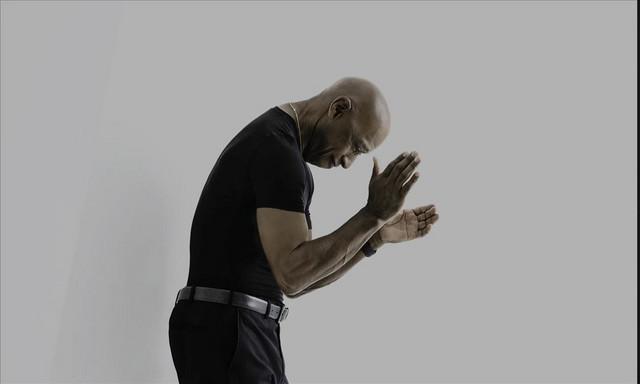
Regina Belle

R&B
Soul
 Viberate Rank: 23724
 Viberate Rank: 23724
 Monthly ListenersFollowers
 Subscribers
 Followers
 Followers
 FansTop Spotify Songs
| Track | 7-Day Streams | |
|---|---|---|
1 | 222.26K | |
2 | 57.37K | |
3 | 19.22K | |
4 | 19.11K | |
5 | 8.88K |
Top YouTube Videos| Video | 7-Day Views | |
|---|---|---|
1 | 120.95K | |
2 | 38.61K | |
3 | 30.08K | |
4 | 17.47K | |
5 | 9.95K |
Monthly ListenersFeatured in Playlists| Playlist | Followers | |
|---|---|---|
1 |  90s Love Songs Spotify | 3.72M |
2 |  Soundtrack Love Songs Spotify | 658.00K |
3 |  OLD LOVE SONGS 80's-90's meaghan b. | 503.24K |
4 |  Disney Love Songs Spotify | 337.72K |
5 | Best Disney Songs Ann Nicole S. | 171.53K |
Audience| City | Monthly Listeners | |
|---|---|---|
1 |  | 78.60K |
2 | | 36.52K |
3 | | 22.32K |
4 | | 15.79K |
5 |  | 10.80K |
See full performance history, audience data, playlist activity, rankings, comparisons, and more in Viberate music analytics. Start with a free trial, then continue with a paid plan.
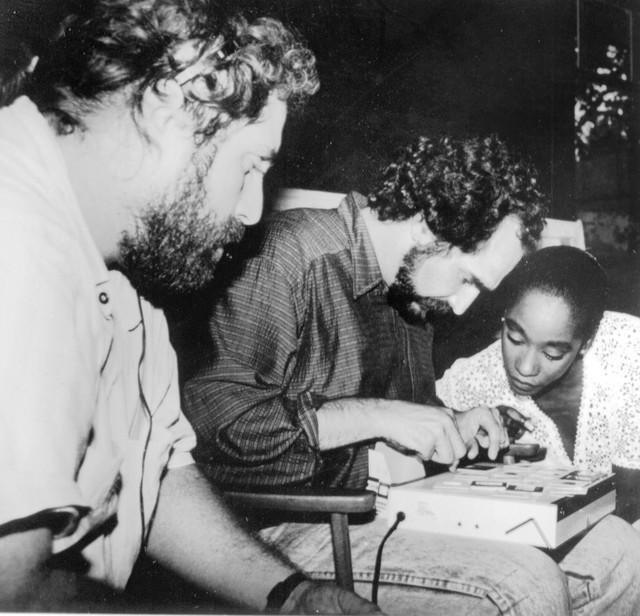
Regina Belle’s Spotify BioRegina Belle emerged as a prolific, consistently engaging vocalist on the urban contemporary scene. Born in New Jersey, Belle's early experience was in gospel, though she was also attracted to R&B during her childhood. She studied trombone, tuba, and steel drums, and at 12 won a school contest singing the Emotions' "Don't Ask My Neighbors." Belle sang in a New Jersey vocal group, and studied opera and jazz in college. New York disc jockey Vaughn Harper introduced her to the Manhattans, and she began working as their opening act. Belle recorded a duet with them, "Where Did We Go Wrong," that was produced by Bobby Womack in 1986. She earned a solo Columbia contract in 1987, and the single "Please Be Mine" earned both praise and a number two R&B hit. A follow-up single, "So Many Tears," also made the R&B Top 20, and the hit "Without You," pairing her with Peabo Bryson, was the only memorable thing about the film Leonard, Part 6. Her second LP, Stay with Me, secured her success, and she… went on to earn more acclaim. Releasing Passion in 1993, she returned five years later with Believe in Me, which was followed by 2001's This Is Regina! and 2004's Lazy Afternoon. Belle returned to her gospel roots for 2008's Love Forever Shines, and had just begun a career shift to gospel when she was diagnosed with a brain tumor in 2009. She underwent difficult and lengthy treatment, but recovered her health and released a second gospel album, Higher, in 2012. In 2015, Belle returned with her tenth studio album, The Day Life Began. Produced by Jamie Jones and Jack Kugell, aka the Heavy Weights, the album included the spotlight tracks "He's Alright," "You Saw the Good in Me," and "Be Careful Out There." ~ Ron Wynn & Steve Leggett
Viberate is a music analytics platform built for A&Rs, artist managers, labels, booking agents, marketers, and artists.
It helps music professionals track artist growth, analyze audience data, monitor playlist activity, compare artists, follow song performance, and identify opportunities across the music market.
Public artist pages provide a free preview of selected artist data. Paid plans provide access to deeper analytics, historical data, charts, comparisons, playlist tools, exports, alerts, reports, and additional professional features.
Yes. Public Viberate artist pages provide selected artist analytics and music data for free.
Viberate also offers a 7-day free trial of the full platform. A credit card is required to start the trial. The trial includes access to the complete product so users can test deeper artist analytics, historical views, playlist insights, comparisons, charts, exports, alerts, and reporting features before choosing a paid plan.
Viberate provides artist analytics across streaming, playlists, social media, video, radio airplay, songs, and audience markets.
Users can analyze Spotify performance, Spotify and Apple Music playlists, YouTube activity, TikTok and Instagram growth, radio spins, song performance, audience locations, demographics, rankings, and overall artist momentum.
Artist profiles also connect to music charts, similar artists, and comparison tools, helping users benchmark performance and evaluate artists in context.
Viberate updates key artist and track data daily.
For followed artists and tracks, selected data is refreshed multiple times per day. This helps teams monitor playlist changes, streaming movement, audience growth, releases, and campaign performance with more current data.
Update frequency can vary depending on the metric and data source.
Yes. Viberate lets users compare up to five artists side by side across streaming, social media, audience, and engagement metrics.
Users can compare fanbase growth, audience demographics, locations, Spotify performance, social metrics, and other artist data over selected time periods.
Artist comparison can be used for A&R scouting, benchmarking, booking decisions, campaign planning, and evaluating artists with similar audiences or market positions.