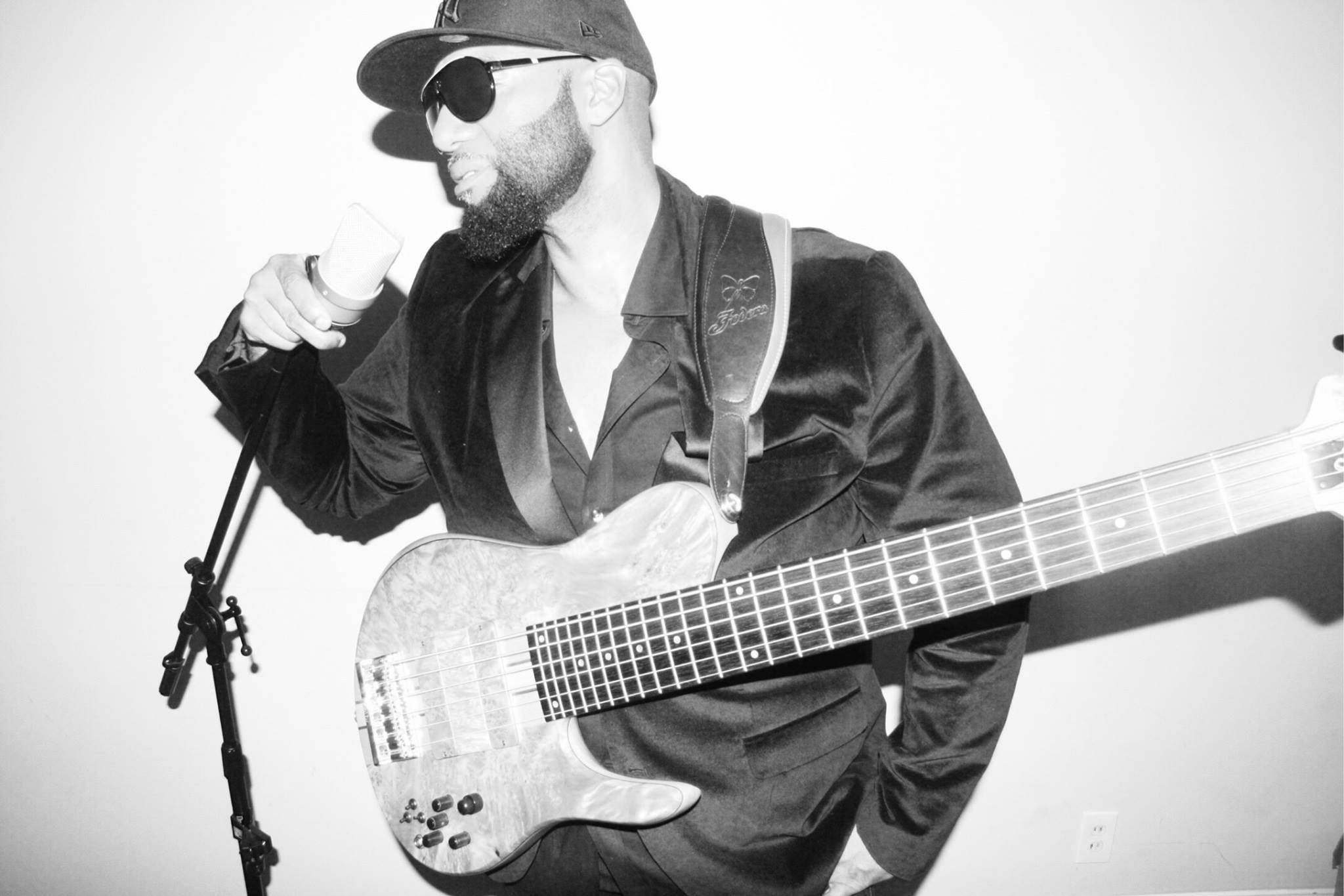
Reggie Young

R&B
Funk
Jazz Fusion
 Viberate Rank: 402634
 Viberate Rank: 402634
 Monthly ListenersFollowers
 Subscribers
 Followers
 Followers
 FansTop Spotify Songs
| Track | 7-Day Streams | |
|---|---|---|
1 | 257 | |
2 | 19 | |
3 | 18 | |
4 | 14 | |
5 | 12 |
Top YouTube VideosMonthly ListenersFeatured in Playlists| Playlist | Followers | |
|---|---|---|
1 | Burning Jazz-rock Fusion fusionprogguy | 8.92K |
2 | Bass Guitar & Smooth/Funky/Jazz edwin170169 | 6.77K |
3 |  Glitch&Gold Radio Glitch&Gold | 3.93K |
4 |  Funk/Bass/Groove Ricardo Espinoza García | 3.52K |
5 |  Workout Jazz cadmielp | 3.40K |
Audience| City | Monthly Listeners | |
|---|---|---|
1 | | 3 |
2 | | 3 |
See full performance history, audience data, playlist activity, rankings, comparisons, and more in Viberate music analytics. Start with a free trial, then continue with a paid plan.
Reggie Young’s Spotify BioA session musician whose career spanned seven decades, Reggie Young's story is, in many ways, a miniature version of the story of Southern soul music. Raised in Memphis and influenced by the Delta blues, Young's musical education came at the hands of Dewey Phillips' Red Hot & Blue radio show, where he soaked up the sounds of Ike & Tina Turner and a young Elvis Presley. Like many key figures in Southern soul, Young was a white kid drawn to the sound of Black music and, later, his musicianship figured prominently in shaping the reputation of many southern studios including Goldwax, American, and Rick Hall's FAME studio in Muscle Shoals, Alabama. Young got his first real break as the guitarist in Eddie Bond and the Stompers when a local DJ named Sleepy Eyed John heard their music and asked the group to record a song called "Rockin' Daddy." The record became a hit on Mercury Records and, at the age of 20, Young found himself touring alongside Johnny Cash, Carl Perkins, and Roy Orbison.… After the tour, Young moved to Shreveport, Louisiana to further his career. Though he had little or money, the Shreveport scene was strong at the time and Young befriended fellow musicians Jerry Kennedy, D.J. Fontana, and Billy Sandford, all of whom would help him when he finally made the move to Nashville in the '70s.
When Young returned to Memphis he began playing with former Elvis bassist Bill Black in the Bill Black Combo. The group had a smash instrumental hit with 1959's "Smokie," parlaying their success into a tour with the Beatles. Throughout the mid-'60s Young also did session work at Royal Studio in Memphis, FAME studios in Muscle Shoals, Alabama, and in New York at the Atlantic Records recording facility where he added guitar to releases by Don Covay and Solomon Burke. Young was also a member of the Goldwax Records house band, backing up stars like James Carr and O.V. Wright. It was from his association with Goldwax that led Young to become part of the house band at Chips Moman's American Studios along with Gene Chrisman on drums, Bobby Wood and Bobby Emmons on piano, and Mike Leech or Tommy Cogbill on bass.
What followed between the period of 1967 and 1971 was an unparalleled run of 120 hit records recorded at American, primarily with the above-mentioned musicians. The American house band cut Elvis' comeback records such as Suspicious Minds and In the Ghetto, and played with Dusty Springfield, Wilson Pickett, Neil Diamond, and the Sweet Inspirations, among others. Young's guitar playing was now gracing releases by the upper echelon of the pop world and, in 1972, after being a key player in every major studio of the Southern soul world, Young moved to Nashville to join fellow FAME alumni David Briggs and Norbert Putnam at Quadrophonic Studios. From 1972 through 1979, Young played on so many sessions that he decided to charge double scale in an attempt to cut back on his studio work. Later, in an attempt to escape studio burn-out, he joined the Highwaymen (Willie Nelson, Kris Kristofferson, Johnny Cash, and Waylon Jennings), touring Europe for the first time since he'd traveled with the Bill Black Combo back in the early '60s. After decades backing other musicians, Young finally made his solo debut in 2017 with the instrumental set Forever Young, and in 2019 Ace Records released the collection Reggie Young: Session Guitar Star, featuring highlights from his career as a sideman. Reggie Young died at his home in Nashville on January 17, 2019; he was 81 years old. ~ Steve Kurutz, Rovi
Viberate is a music analytics platform built for A&Rs, artist managers, labels, booking agents, marketers, and artists.
It helps music professionals track artist growth, analyze audience data, monitor playlist activity, compare artists, follow song performance, and identify opportunities across the music market.
Public artist pages provide a free preview of selected artist data. Paid plans provide access to deeper analytics, historical data, charts, comparisons, playlist tools, exports, alerts, reports, and additional professional features.
Yes. Public Viberate artist pages provide selected artist analytics and music data for free.
Viberate also offers a 7-day free trial of the full platform. A credit card is required to start the trial. The trial includes access to the complete product so users can test deeper artist analytics, historical views, playlist insights, comparisons, charts, exports, alerts, and reporting features before choosing a paid plan.
Viberate provides artist analytics across streaming, playlists, social media, video, radio airplay, songs, and audience markets.
Users can analyze Spotify performance, Spotify and Apple Music playlists, YouTube activity, TikTok and Instagram growth, radio spins, song performance, audience locations, demographics, rankings, and overall artist momentum.
Artist profiles also connect to music charts, similar artists, and comparison tools, helping users benchmark performance and evaluate artists in context.
Viberate updates key artist and track data daily.
For followed artists and tracks, selected data is refreshed multiple times per day. This helps teams monitor playlist changes, streaming movement, audience growth, releases, and campaign performance with more current data.
Update frequency can vary depending on the metric and data source.
Yes. Viberate lets users compare up to five artists side by side across streaming, social media, audience, and engagement metrics.
Users can compare fanbase growth, audience demographics, locations, Spotify performance, social metrics, and other artist data over selected time periods.
Artist comparison can be used for A&R scouting, benchmarking, booking decisions, campaign planning, and evaluating artists with similar audiences or market positions.