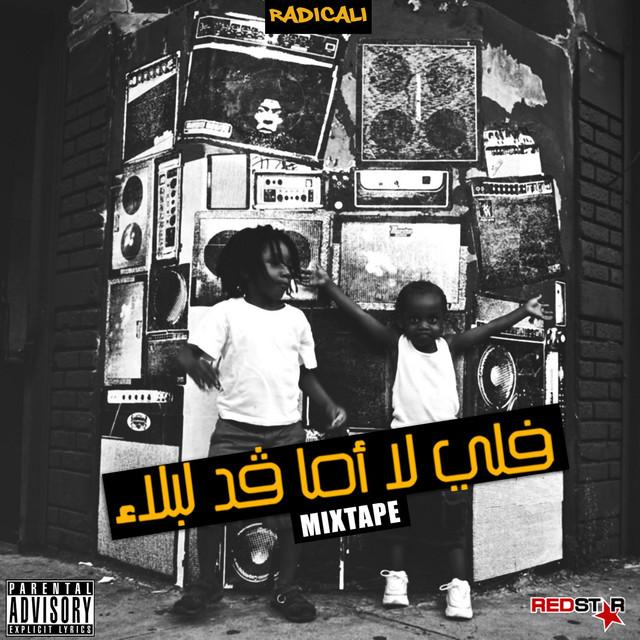
Redstar Radi
Hip Hop
Contemporary Hip Hop
 Viberate Rank: 19710
 Viberate Rank: 19710
 Monthly ListenersFollowers
 Subscribers
 Followers
 Followers
 FansTop Spotify Songs
| Track | 7-Day Streams | |
|---|---|---|
1 | 41.42K | |
2 | 8.09K | |
3 | 5.28K | |
4 | 5.25K | |
5 | 2.98K |
Top YouTube Videos| Video | 7-Day Views | |
|---|---|---|
1 | 254.34K | |
2 | 64.27K | |
3 | 56.32K | |
4 | 51.25K | |
5 | 37.96K |
Monthly ListenersFeatured in Playlists| Playlist | Followers | |
|---|---|---|
1 |  RapTounsi Spotify | 59.71K |
2 |  Flow Tounsi Spotify | 12.56K |
3 |  Arabic Rap/Drill 🫰🏼🇸🇦🇪🇬 Patroni | 9.61K |
4 |  🇹🇳 Musique Tunisienne 🇹🇳 Silver | 5.44K |
5 | Rap Tunisien Tounsi 2026#insta: bacem_loui Bacem | 4.75K |
Audience| City | Monthly Listeners | |
|---|---|---|
1 | | 15.16K |
2 | | 4.91K |
3 | | 4.75K |
4 | | 3.13K |
5 | | 2.08K |
See full performance history, audience data, playlist activity, rankings, comparisons, and more in Viberate music analytics. Start with a free trial, then continue with a paid plan.
Redstar Radi’s Spotify BioRadi, de son vrai nom Ben Amor Aymen, né le 21 mai 1982 à Sousse, Tunisie. Fondateur du groupe Red Star en 2009. l’un des rappeurs les plus acclamés et suivis de la scène musicale urbaine en Tunisie. Ayant sorti plus de 150 chansons.
Artiste indépendant Radi se lance finalement en solo en 2013 avec la sortie de sa première mixtape solo «Fly Lé Ama G’ad El Blé». Radi enchaîne les hits successivement et atteint des millions de vues et d’écoutes sur différentes plate-formes électroniques: Le Hit «Donya», «Train», «Polika» et «Letter to my son» dépassent actuellement les 7000000 vues sur sa chaîne officielle «RedStar Radi»
Son premier album solo «No Pain no Gain» explose les réseaux sociaux à la sortie du hit «Polika» ayant dépassé les 2 millions de vues. Après un très court break, Radi revient avec son deuxième album solo intitulé «A.W.S» qui inclu «Letter to my son», «O’roubiyat» et «Clandestino»
En 2015 Redstaradi lance son 3 eme album solo nomme Salute apres une visite au states dans un… programme de leadership avec la minestere d exterieur de les etas unis ensuit l album classique (back to the roots ) apres le Ep (between life and Death) avec Red Riot auPays bas.
2009 – Burn The Mixtape
2010 – The Hood legend Mixtape
2011-Street Rehab Mixtape
2012-The Red Season
2013-Fly Lè Ama Guad Leblè
2014–No Pain No Gain (Offecial Album)
2015–Aws (Offecial Album)
2016-Salute (Offecial album)
2017-Back To the roots (Offecial Album)
2O18-Between Life and Death (EP)
Viberate is a music analytics platform built for A&Rs, artist managers, labels, booking agents, marketers, and artists.
It helps music professionals track artist growth, analyze audience data, monitor playlist activity, compare artists, follow song performance, and identify opportunities across the music market.
Public artist pages provide a free preview of selected artist data. Paid plans provide access to deeper analytics, historical data, charts, comparisons, playlist tools, exports, alerts, reports, and additional professional features.
Yes. Public Viberate artist pages provide selected artist analytics and music data for free.
Viberate also offers a 7-day free trial of the full platform. A credit card is required to start the trial. The trial includes access to the complete product so users can test deeper artist analytics, historical views, playlist insights, comparisons, charts, exports, alerts, and reporting features before choosing a paid plan.
Viberate provides artist analytics across streaming, playlists, social media, video, radio airplay, songs, and audience markets.
Users can analyze Spotify performance, Spotify and Apple Music playlists, YouTube activity, TikTok and Instagram growth, radio spins, song performance, audience locations, demographics, rankings, and overall artist momentum.
Artist profiles also connect to music charts, similar artists, and comparison tools, helping users benchmark performance and evaluate artists in context.
Viberate updates key artist and track data daily.
For followed artists and tracks, selected data is refreshed multiple times per day. This helps teams monitor playlist changes, streaming movement, audience growth, releases, and campaign performance with more current data.
Update frequency can vary depending on the metric and data source.
Yes. Viberate lets users compare up to five artists side by side across streaming, social media, audience, and engagement metrics.
Users can compare fanbase growth, audience demographics, locations, Spotify performance, social metrics, and other artist data over selected time periods.
Artist comparison can be used for A&R scouting, benchmarking, booking decisions, campaign planning, and evaluating artists with similar audiences or market positions.