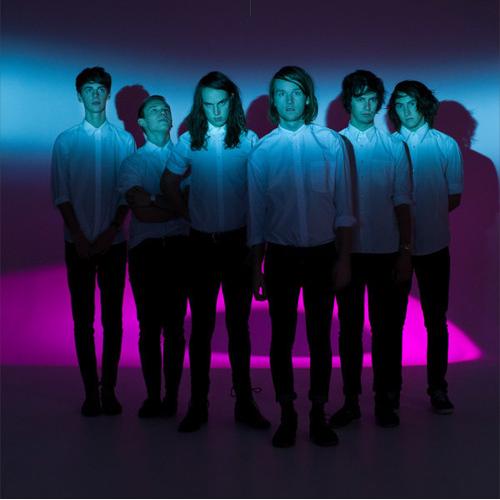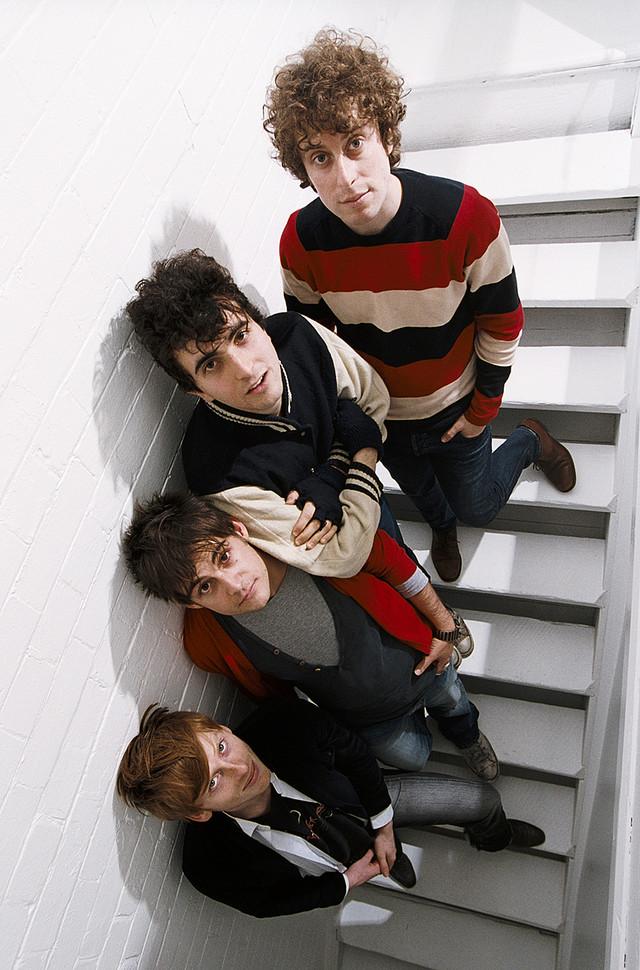
Red Riders

Rock
Indie Rock
Pop Rock
 Viberate Rank: 507766
 Viberate Rank: 507766
 Monthly ListenersFollowers
 Subscribers
 Followers
 Followers
 FansTop Spotify Songs
| Track | 7-Day Streams | |
|---|---|---|
1 | 420 | |
2 | 222 | |
3 | 115 | |
4 | 88 | |
5 | 37 |
Top YouTube VideosMonthly ListenersFeatured in Playlists| Playlist | Followers | |
|---|---|---|
1 |  Triple J Hottest 100 1993-2018 deñt | 29.34K |
2 |  Triple J Hottest 100 1993-2023 Morgan Burridge | 11.29K |
3 |  triple j's Hottest 100 2006 triple j | 8.52K |
4 |  triple j's Hottest 100 of Australian Songs - Songs available for voting Alex Brabyn | 5.57K |
5 |  Big Day Out 1992-2014 Keegan Littlewood | 2.26K |
Audience| City | Monthly Listeners | |
|---|---|---|
1 | | 395 |
2 | | 319 |
3 | | 256 |
4 | | 179 |
5 | | 94 |
See full performance history, audience data, playlist activity, rankings, comparisons, and more in Viberate music analytics. Start with a free trial, then continue with a paid plan.
Red Riders’ Spotify BioIn 2002, Alex Grigg and Adrian Deutsch met at a Black Rebel Motorcycle Club concert, discovered their musical tastes aligned, and decided to form a band. Both were guitarists, singers, and songwriters. Deutsch recommended his old friend Mathew Chapman, who was then living in New Zealand, as a bass player. Chapman coincidentally met drummer Tom Wallace while flying to Australia and the Red Riders were complete. After playing a string of backyard parties and pubs, then touring with the Sleepy Jackson and Jet, they scored the coup of supporting Franz Ferdinand on their Australian tour. The Scottish dance-rockers had just come from a tour of America where they had been disappointed with the quality of support acts chosen by their label and insisted on hand-picking their Australian openers; it was the Red Riders' demo that impressed them the most.
In 2005, Red Riders signed with the Ivy League label and released their debut album, Replica Replica, a year later. Their live shows were often… ramshackle and the songs martial and anthemic to the point of drawing comparisons with the Clash, but on album they showed a stronger influence from the '80s miserablism of the Cure and the Smiths. Grigg and Deutsch split the songwriting down the middle, each singing whichever songs they had personally written. Deutsch wanted to head in a different direction, however, and announced via MySpace in 2008 that he was leaving the group. The band returned to the studio to record without him. When they heard that their labelmates and former touring partners the Vines had gone on hiatus, possibly for good, they roped in Vines' bass player Brad Heald to replace Deutsch on guitar for their second album, Drown in Colour, which was recorded in two weeks. ~ Jody Macgregor, Rovi
Viberate is a music analytics platform built for A&Rs, artist managers, labels, booking agents, marketers, and artists.
It helps music professionals track artist growth, analyze audience data, monitor playlist activity, compare artists, follow song performance, and identify opportunities across the music market.
Public artist pages provide a free preview of selected artist data. Paid plans provide access to deeper analytics, historical data, charts, comparisons, playlist tools, exports, alerts, reports, and additional professional features.
Yes. Public Viberate artist pages provide selected artist analytics and music data for free.
Viberate also offers a 7-day free trial of the full platform. A credit card is required to start the trial. The trial includes access to the complete product so users can test deeper artist analytics, historical views, playlist insights, comparisons, charts, exports, alerts, and reporting features before choosing a paid plan.
Viberate provides artist analytics across streaming, playlists, social media, video, radio airplay, songs, and audience markets.
Users can analyze Spotify performance, Spotify and Apple Music playlists, YouTube activity, TikTok and Instagram growth, radio spins, song performance, audience locations, demographics, rankings, and overall artist momentum.
Artist profiles also connect to music charts, similar artists, and comparison tools, helping users benchmark performance and evaluate artists in context.
Viberate updates key artist and track data daily.
For followed artists and tracks, selected data is refreshed multiple times per day. This helps teams monitor playlist changes, streaming movement, audience growth, releases, and campaign performance with more current data.
Update frequency can vary depending on the metric and data source.
Yes. Viberate lets users compare up to five artists side by side across streaming, social media, audience, and engagement metrics.
Users can compare fanbase growth, audience demographics, locations, Spotify performance, social metrics, and other artist data over selected time periods.
Artist comparison can be used for A&R scouting, benchmarking, booking decisions, campaign planning, and evaluating artists with similar audiences or market positions.