Red Cloud

Rock
Stoner Rock
 Viberate Rank: 536593
 Viberate Rank: 536593
 Monthly ListenersFollowers
 Subscribers
 Followers
 Followers
 FansTop Spotify Songs
| Track | 7-Day Streams | |
|---|---|---|
1 | 1 | |
2 | 1 |
Top YouTube Videos| Video | 7-Day Views | |
|---|---|---|
1 | 1 |
Monthly ListenersFeatured in Playlists| Playlist | Followers | |
|---|---|---|
1 |  Stoner Rock Radio gfletch32 | 2.35K |
2 |  LOW & HEAVY FUZZ Hémorragie | 1.29K |
3 |  STONER ROCK / METAL #Psychedelic #Heavy #Space #Instrumental #Kraut #Doom mekeso | 1.01K |
Audience| City | Monthly Listeners | |
|---|---|---|
1 | | 5 |
2 | | 4 |
See full performance history, audience data, playlist activity, rankings, comparisons, and more in Viberate music analytics. Start with a free trial, then continue with a paid plan.
Red Cloud’s Spotify BioTheir name an homage to the Lakota Chief Red Cloud, the band explores our relationship to nature, one another, and ourselves. With one eye on history and the other looking forward to the future, song lyrics delight in introspective travel, rally for freedom from personal enslavement, and take us on incredible Jules Verne-inspired journeys into the heart of earth
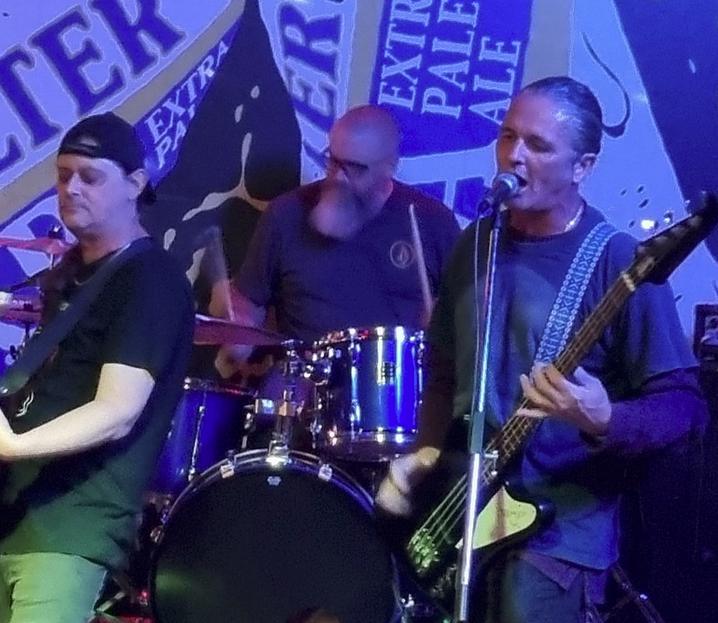
Red Cloud started life in 2011, when frontman Aaron Williams performed a set of songs at the late & legendary Ash Street Saloon in Portland, OR Eventually planting roots further south in Eugene, Red Cloud soon gained a reputation and enthusiastic following in the Pacific Northwest at large.
Whether playing storied Oregon venues or taking to the road, Red Cloud shows are legendary for their incredibly good vibes. Casual listeners inevitably become believers for one simple reason: the music makes them feel so damned good.
“Much of my music,” Williams remarks, “is really about respecting mother earth. It’s a very common theme: rising… up to save earth. I feel like I’m channeling most of the time. I come up with a concept and I just let it roll. “
A gem of modern rock, the album is fused with elements of grunge, alt rock, and stoner metal, which Red Cloud weave together with deft and heart.
A must-listen for fans of Queens of the Stone Age, Nothing, Foo Fighters, Screaming Trees, Helms Alee, The Clash and Soundgarden
Viberate is a music analytics platform built for A&Rs, artist managers, labels, booking agents, marketers, and artists.
It helps music professionals track artist growth, analyze audience data, monitor playlist activity, compare artists, follow song performance, and identify opportunities across the music market.
Public artist pages provide a free preview of selected artist data. Paid plans provide access to deeper analytics, historical data, charts, comparisons, playlist tools, exports, alerts, reports, and additional professional features.
Yes. Public Viberate artist pages provide selected artist analytics and music data for free.
Viberate also offers a 7-day free trial of the full platform. A credit card is required to start the trial. The trial includes access to the complete product so users can test deeper artist analytics, historical views, playlist insights, comparisons, charts, exports, alerts, and reporting features before choosing a paid plan.
Viberate provides artist analytics across streaming, playlists, social media, video, radio airplay, songs, and audience markets.
Users can analyze Spotify performance, Spotify and Apple Music playlists, YouTube activity, TikTok and Instagram growth, radio spins, song performance, audience locations, demographics, rankings, and overall artist momentum.
Artist profiles also connect to music charts, similar artists, and comparison tools, helping users benchmark performance and evaluate artists in context.
Viberate updates key artist and track data daily.
For followed artists and tracks, selected data is refreshed multiple times per day. This helps teams monitor playlist changes, streaming movement, audience growth, releases, and campaign performance with more current data.
Update frequency can vary depending on the metric and data source.
Yes. Viberate lets users compare up to five artists side by side across streaming, social media, audience, and engagement metrics.
Users can compare fanbase growth, audience demographics, locations, Spotify performance, social metrics, and other artist data over selected time periods.
Artist comparison can be used for A&R scouting, benchmarking, booking decisions, campaign planning, and evaluating artists with similar audiences or market positions.