Recode The Subliminal

Metal
Alternative Metal
Progressive Metal
 Viberate Rank: 479642
 Viberate Rank: 479642
 Monthly ListenersFollowers
 Subscribers
 Followers
 Followers
 FansTop Spotify Songs
| Track | 7-Day Streams | |
|---|---|---|
1 | 290 | |
2 | 35 | |
3 | 30 | |
4 | 29 | |
5 | 27 |
Top YouTube Videos| Video | 7-Day Views | |
|---|---|---|
1 | 7 | |
2 | 5 | |
3 | 4 | |
4 | 3 | |
5 | 2 |
Monthly ListenersFeatured in Playlists| Playlist | Followers | |
|---|---|---|
1 | 🦴Melodic Metalcore🦴 Jan Tore Hylland | 7.62K |
2 |  Camel-Rajaz Zeynep Aslan | 3.85K |
3 |  The Sound of Melodic Metalcore The Sounds of Spotify | 3.16K |
4 |  Gaming Metal Martin Rognes Røsnes | 2.86K |
5 |  The Circle Pit (OFFICIAL) The Circle Pit | 1.11K |
Audience| City | Monthly Listeners | |
|---|---|---|
1 |  | 14 |
2 |  | 13 |
3 |  | 13 |
4 | | 13 |
5 |  | 12 |
See full performance history, audience data, playlist activity, rankings, comparisons, and more in Viberate music analytics. Start with a free trial, then continue with a paid plan.
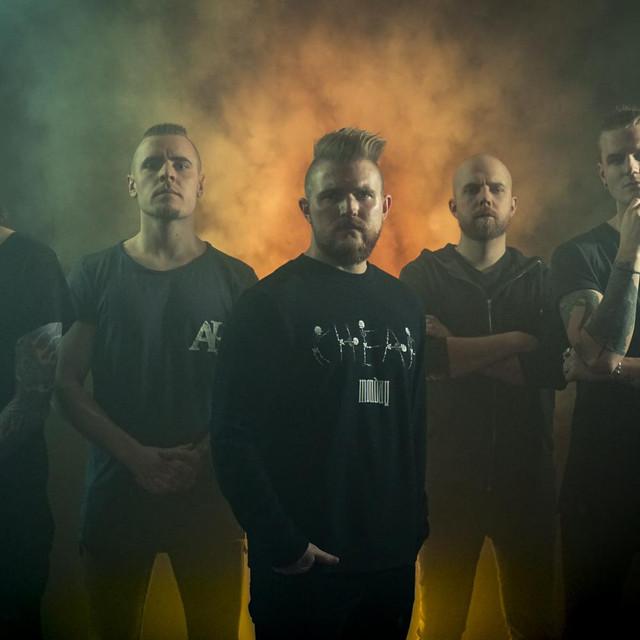
Recode The Subliminal’s Spotify BioAfter a 5 year hiatus, Recode The Subliminal return as a duo, featuring Jaro Lukáč (SK) as the composer/producer, and Ryan Strain (US) as the vocalist/lyricist. Their debut album, The Cost of Every Man (2016) reached success due to soaring anthems like "At The End" and "Hope is Lost", as well as crushing metal tracks like "The Harvest" and "Not My War". In 2018, they followed up with their second album, Disconnected (2018), featuring epics like "Unnatural Selection", "In A Different Light", and "Where I Can't Follow" that detailed an original sci-fi story inspired by the Deus Ex series.
In their 5 years off, after the departure of composer Devel Sullivan, Recode The Subliminal have returned, determined to restake their claim in the modern metal scene. Their newest singles "The Death of Art" and "Inside Out" provide hard-hitting commentaries on socials issues facing the world today. Their upcoming record, Reflections, will join their first 2 albums in the permanent catalogues of fans,… present and future. The time to recode your subliminal has come again.
Viberate is a music analytics platform built for A&Rs, artist managers, labels, booking agents, marketers, and artists.
It helps music professionals track artist growth, analyze audience data, monitor playlist activity, compare artists, follow song performance, and identify opportunities across the music market.
Public artist pages provide a free preview of selected artist data. Paid plans provide access to deeper analytics, historical data, charts, comparisons, playlist tools, exports, alerts, reports, and additional professional features.
Yes. Public Viberate artist pages provide selected artist analytics and music data for free.
Viberate also offers a 7-day free trial of the full platform. A credit card is required to start the trial. The trial includes access to the complete product so users can test deeper artist analytics, historical views, playlist insights, comparisons, charts, exports, alerts, and reporting features before choosing a paid plan.
Viberate provides artist analytics across streaming, playlists, social media, video, radio airplay, songs, and audience markets.
Users can analyze Spotify performance, Spotify and Apple Music playlists, YouTube activity, TikTok and Instagram growth, radio spins, song performance, audience locations, demographics, rankings, and overall artist momentum.
Artist profiles also connect to music charts, similar artists, and comparison tools, helping users benchmark performance and evaluate artists in context.
Viberate updates key artist and track data daily.
For followed artists and tracks, selected data is refreshed multiple times per day. This helps teams monitor playlist changes, streaming movement, audience growth, releases, and campaign performance with more current data.
Update frequency can vary depending on the metric and data source.
Yes. Viberate lets users compare up to five artists side by side across streaming, social media, audience, and engagement metrics.
Users can compare fanbase growth, audience demographics, locations, Spotify performance, social metrics, and other artist data over selected time periods.
Artist comparison can be used for A&R scouting, benchmarking, booking decisions, campaign planning, and evaluating artists with similar audiences or market positions.