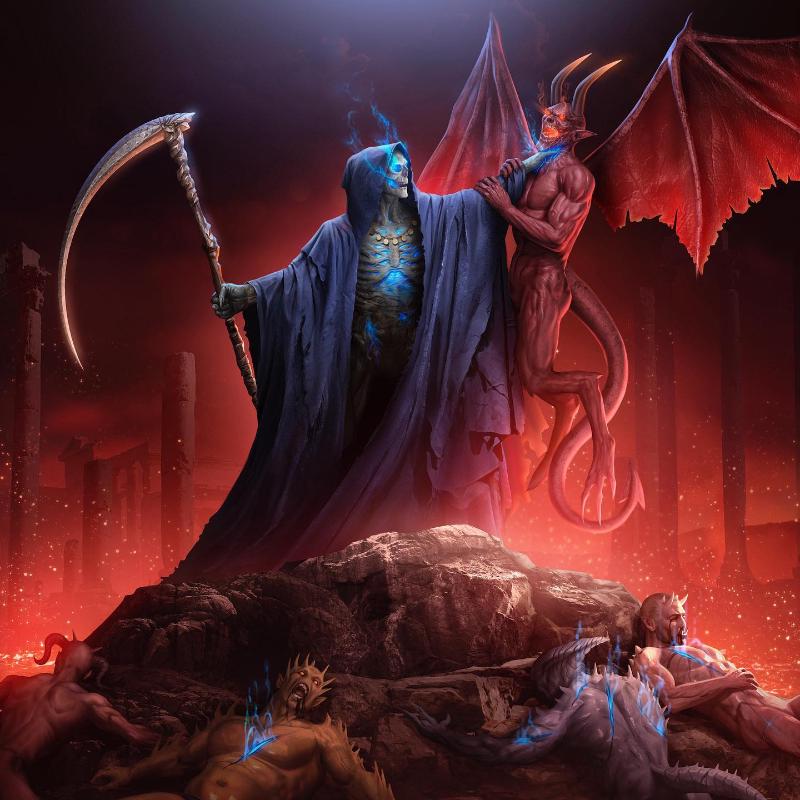
Reap the Light

Metal
Thrash Metal
Heavy Metal
Hard Rock
 Viberate Rank: 305598
 Viberate Rank: 305598
 Monthly ListenersFollowers
 Subscribers
 Followers
 Followers
 FansTop Spotify Songs
| Track | 7-Day Streams | |
|---|---|---|
1 | 7 | |
2 | 1 |
Top YouTube Videos| Video | 7-Day Views | |
|---|---|---|
1 | 11 | |
2 | 10 | |
3 | 6 | |
4 | 5 | |
5 | 3 |
Monthly ListenersFeatured in PlaylistsAudience| City | Monthly Listeners | |
|---|---|---|
1 |  | 3 |
See full performance history, audience data, playlist activity, rankings, comparisons, and more in Viberate music analytics. Start with a free trial, then continue with a paid plan.
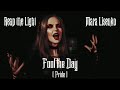
Reap the Light’s Spotify BioReap The Light (RTL) are an American hard rock/metal band that formed in late 2020. RTL originally consisted of the core duo, Reverend Kuzz (bass/guitar) and Orion Hellraiser (guitars/drums). Having completed their debut album, Deliver Hell, they released a collaboration with Tim “Ripper” Owens (former singer of Judas Priest and present singer of KK's Priest) on a song called Back to Bedlam in May 2022. Later that year, RTL collaborated with Laura Guldemond (lead singer for Burning Witches), called Isolate (Sloth).
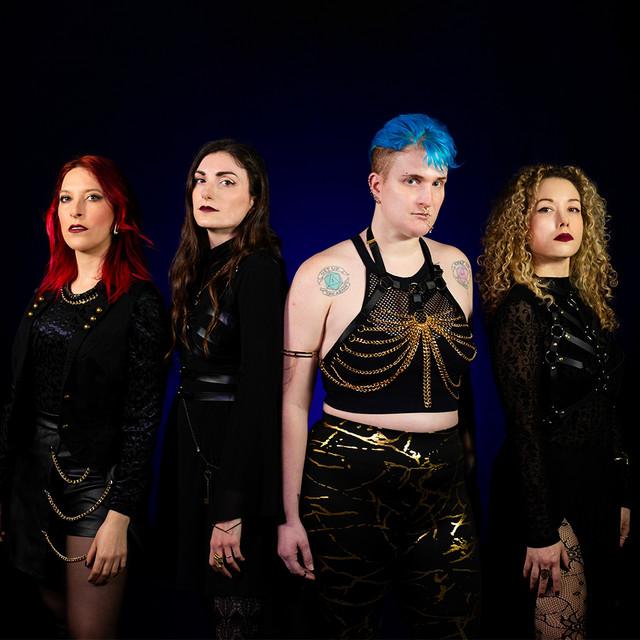
After producing one album (Deliver Hell), Orion moved on to work on some other projects which led Kuzz to search for another music partner. After an exhaustive search, fate led Kuzz to Josh Williams. Josh Williams is a musician, composer and producer from South Africa. The group then looked for their next missing piece to bring some thunder to their music. This led the group to Nicole Trinchero who has a enormous amount of talent in various genres, but her dynamic playing of… heavy metal sealed the deal.
RTL wanting more consistency with actual members and to better establish the band's identity, RTL began the search for a permanent vocalist that lasted several months. RTL initiated an exhaustive search and when the entire process was done, RTL came to an unanimous decision to offer the job to Melani Hess. RTL now sets out to write a new album called The Seven Deadly Sins (SDS).
Buy merch here: https://www.reapthelight.com/category/apparel
Viberate is a music analytics platform built for A&Rs, artist managers, labels, booking agents, marketers, and artists.
It helps music professionals track artist growth, analyze audience data, monitor playlist activity, compare artists, follow song performance, and identify opportunities across the music market.
Public artist pages provide a free preview of selected artist data. Paid plans provide access to deeper analytics, historical data, charts, comparisons, playlist tools, exports, alerts, reports, and additional professional features.
Yes. Public Viberate artist pages provide selected artist analytics and music data for free.
Viberate also offers a 7-day free trial of the full platform. A credit card is required to start the trial. The trial includes access to the complete product so users can test deeper artist analytics, historical views, playlist insights, comparisons, charts, exports, alerts, and reporting features before choosing a paid plan.
Viberate provides artist analytics across streaming, playlists, social media, video, radio airplay, songs, and audience markets.
Users can analyze Spotify performance, Spotify and Apple Music playlists, YouTube activity, TikTok and Instagram growth, radio spins, song performance, audience locations, demographics, rankings, and overall artist momentum.
Artist profiles also connect to music charts, similar artists, and comparison tools, helping users benchmark performance and evaluate artists in context.
Viberate updates key artist and track data daily.
For followed artists and tracks, selected data is refreshed multiple times per day. This helps teams monitor playlist changes, streaming movement, audience growth, releases, and campaign performance with more current data.
Update frequency can vary depending on the metric and data source.
Yes. Viberate lets users compare up to five artists side by side across streaming, social media, audience, and engagement metrics.
Users can compare fanbase growth, audience demographics, locations, Spotify performance, social metrics, and other artist data over selected time periods.
Artist comparison can be used for A&R scouting, benchmarking, booking decisions, campaign planning, and evaluating artists with similar audiences or market positions.