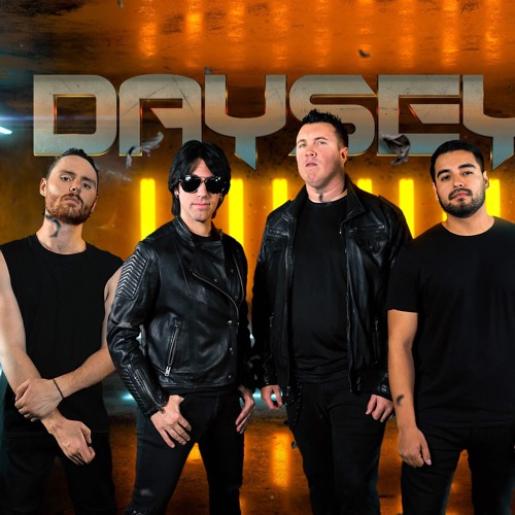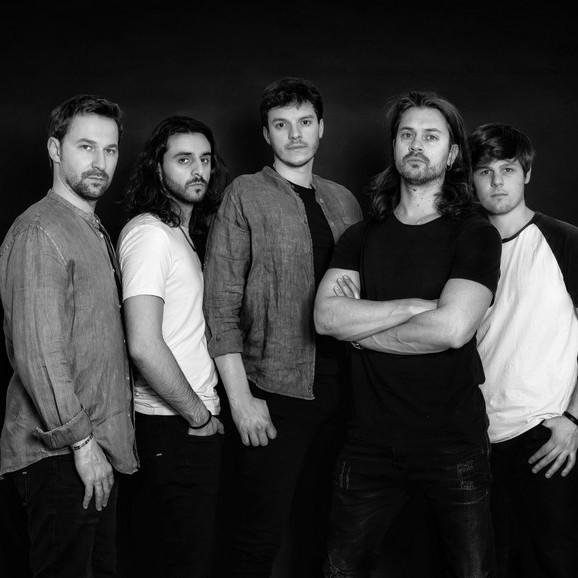
Real Illusion

Rock
Hard Rock
Pop Rock
 Viberate Rank: 338471
 Viberate Rank: 338471
 Monthly ListenersFollowers
 Subscribers
 Followers
 Followers
 FansTop Spotify Songs
| Track | 7-Day Streams | |
|---|---|---|
1 | 470 | |
2 | 142 | |
3 | 101 | |
4 | 58 | |
5 | 12 |
Top YouTube VideosMonthly ListenersFeatured in Playlists| Playlist | Followers | |
|---|---|---|
1 |  Rock Music - Classic Rock - Modern Rock 2025 MusicaWorld Records | 60.37K |
2 |  Rock Hits 2026 - Best New Rock Songs 2026 rene.b | 34.01K |
3 | Restaurant 2026 - Background Music - Achtergrond Muziek info@debruinschilderwerken.nl | 10.32K |
4 | Progressive Rock Geraldo Adami | 8.04K |
5 |  New Rock Tracks Frozen-Heart-Music | 7.08K |
Audience| City | Monthly Listeners | |
|---|---|---|
1 |  | 34 |
2 |  | 19 |
3 |  | 18 |
4 | | 17 |
5 |  | 16 |
See full performance history, audience data, playlist activity, rankings, comparisons, and more in Viberate music analytics. Start with a free trial, then continue with a paid plan.
Real Illusion’s Spotify BioThe constant thread through all the songs is that they consider a narrow aspect of what is to be human in the modern society, in all of its lonelyness and contraddiction.
The idea is to write something different from what most of the rock songs are talking about. Introspection
and observation can be chosen as the two keywords to get into the Real Illusion songs.
Far beyond from the common Rock n Roll party mood, lyrics are slivers of description about what sorrounds us everyday,
exploring the space between the issues of the crowd and the single struggling man.
Each person can identify himself in some of the lines of a Real Illusion song, and this can be considered one of the most distinctive aspect of the band music.
Musically speaking, the mood of Real Illusion reflects the trasparent lyrics message, with a straightforward songwriting that aims to create easy to listen songs, but definitely not trivial. The arrangements are very live-oriented, to allow the band to play exactly what the… recorded songs are: a mixture of catchy vocal lines,
hadbanging riffs and powerful dynamics.
LINE UP
Davide Bicego - voice and guitar;
Luca Pegoraro - guitar;
Luigi DiCarlo - bass;
Andrea Finetto - drums;
Viberate is a music analytics platform built for A&Rs, artist managers, labels, booking agents, marketers, and artists.
It helps music professionals track artist growth, analyze audience data, monitor playlist activity, compare artists, follow song performance, and identify opportunities across the music market.
Public artist pages provide a free preview of selected artist data. Paid plans provide access to deeper analytics, historical data, charts, comparisons, playlist tools, exports, alerts, reports, and additional professional features.
Yes. Public Viberate artist pages provide selected artist analytics and music data for free.
Viberate also offers a 7-day free trial of the full platform. A credit card is required to start the trial. The trial includes access to the complete product so users can test deeper artist analytics, historical views, playlist insights, comparisons, charts, exports, alerts, and reporting features before choosing a paid plan.
Viberate provides artist analytics across streaming, playlists, social media, video, radio airplay, songs, and audience markets.
Users can analyze Spotify performance, Spotify and Apple Music playlists, YouTube activity, TikTok and Instagram growth, radio spins, song performance, audience locations, demographics, rankings, and overall artist momentum.
Artist profiles also connect to music charts, similar artists, and comparison tools, helping users benchmark performance and evaluate artists in context.
Viberate updates key artist and track data daily.
For followed artists and tracks, selected data is refreshed multiple times per day. This helps teams monitor playlist changes, streaming movement, audience growth, releases, and campaign performance with more current data.
Update frequency can vary depending on the metric and data source.
Yes. Viberate lets users compare up to five artists side by side across streaming, social media, audience, and engagement metrics.
Users can compare fanbase growth, audience demographics, locations, Spotify performance, social metrics, and other artist data over selected time periods.
Artist comparison can be used for A&R scouting, benchmarking, booking decisions, campaign planning, and evaluating artists with similar audiences or market positions.