Real Estate

Rock
Indie Rock
Indie Pop
 Viberate Rank: 32800
 Viberate Rank: 32800
 Monthly ListenersFollowers
 Subscribers
 Followers
 Followers
 FansTop Spotify Songs
| Track | 7-Day Streams | |
|---|---|---|
1 | 26.04K | |
2 | 19.98K | |
3 | 14.51K | |
4 | 13.95K | |
5 | 13.07K |
Top YouTube VideosMonthly ListenersFeatured in Playlists| Playlist | Followers | |
|---|---|---|
1 |  Hanging Out & Relaxing Spotify | 1.67M |
2 |  Indie Rock Road Trip Spotify | 1.18M |
3 |  Indie Pop 2010s Spotify | 361.89K |
4 |  Chilled Afternoon Spotify | 205.93K |
5 |  Best of Indie 2017 Spotify | 163.61K |
Audience| City | Monthly Listeners | |
|---|---|---|
1 | | 5.84K |
2 | | 5.53K |
3 | | 5.29K |
4 |  | 3.83K |
5 | | 3.66K |
See full performance history, audience data, playlist activity, rankings, comparisons, and more in Viberate music analytics. Start with a free trial, then continue with a paid plan.
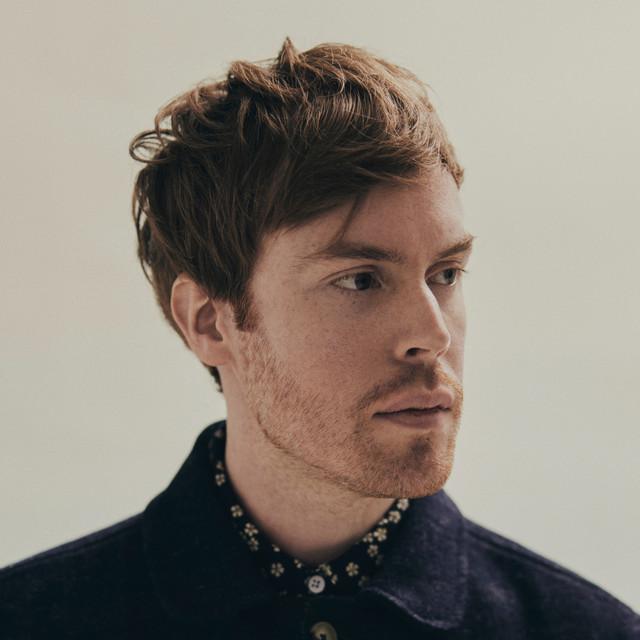
Real Estate’s Spotify BioReal Estate helped usher in a warm, hazy style of indie rock that came into prominence in the late 2000s and continue to ply a similar sound, though with a more mature outlook. The band's breezy melodies, jangly guitars, relaxed vocals, and generally laid-back approach to songcraft hid musical complexities on standout albums like 2014's Atlas. As the years went on, their original lineup splintered and new songs explored getting older, parenthood, and a new wealth of topics, still delivered in the band's reserved, mellow style on albums released in the 2020s like The Main Thing and Daniel.
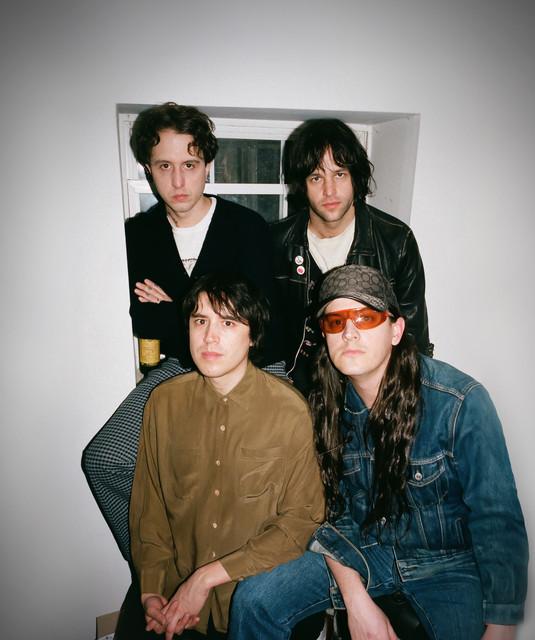
Real Estate was formed in Ridgewood by lead singer/guitarist Martin Courtney (Predator Vision and formerly Titus Andronicus), guitarist Matthew Mondanile (Ducktails), bassist Alex Bleeker (Alex Bleeker & the Freaks), and drummer Etienne Duguay (Predator Vision). The foursome had played together -- including in a Weezer cover band -- during high school, but didn't become Real Estate until Courtney retu…rned to the Garden State after attending college in Olympia, Washington. After forming in the summer of 2008, the band began playing live that fall and released the "Suburban Beverage" 7", which introduced Real Estate's brand of surfy, lo-fi pop, early in 2009. A song on the Underwater Peoples Records Showcase and the Fake Blues EP appeared that summer. The band spent the fall touring with Girls before their self-titled debut was released by Woodsist.
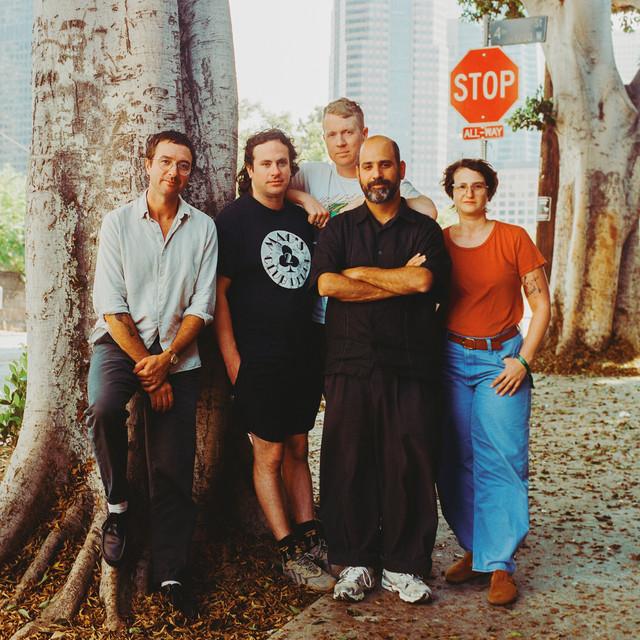
The quartet joined the Domino Records roster in 2011 for its sophomore effort, Days, which hit the shelves and the Billboard charts in the rock, alternative, independent, and vinyl albums categories. It reached number 52 on the Billboard 200. Shortly following its release, the band went through a lineup change with Duguay dropping out; he was replaced by drummer Jackson Pollis. The group was also joined at that point by auxiliary member Jonah Maurer on keyboards and additional guitars. This new assemblage of Real Estate toured feverishly for the well-received Days, though by their return in 2014 with third album Atlas, Maurer had been replaced by Matt Kallman. That LP went on to rank higher on all the same charts, landing in the Billboard 200's Top 40. Following a short break for other projects, including Courtney's solo debut, in May of 2016 Real Estate announced that Mondanile was leaving the band to focus on Ducktails. He was replaced by Julian Lynch, and the quintet of Courtney, Bleeker, Pollis, Kallman, and Lynch released In Mind in March 2017. Three years later they returned with their fifth studio album The Main Thing, which explored themes of growing up mixed with a healthy fear of an oncoming apocalypse. The Main Thing was preceded by first single "Paper Cup," which featured guest vocals from Amelia Meath of Sylvan Esso. Pollis left the band in 2020 and the next year the Half a Human EP gathered together material that the band had begun recording during the sessions for The Main Thing and finished later. Drummer Sammi Niss stepped in to replace Pollis, and this lineup of Real Estate recorded sixth studio album Daniel. The album was released in February of 2024. ~ Heather Phares & Marcy Donelson, Rovi
Viberate is a music analytics platform built for A&Rs, artist managers, labels, booking agents, marketers, and artists.
It helps music professionals track artist growth, analyze audience data, monitor playlist activity, compare artists, follow song performance, and identify opportunities across the music market.
Public artist pages provide a free preview of selected artist data. Paid plans provide access to deeper analytics, historical data, charts, comparisons, playlist tools, exports, alerts, reports, and additional professional features.
Yes. Public Viberate artist pages provide selected artist analytics and music data for free.
Viberate also offers a 7-day free trial of the full platform. A credit card is required to start the trial. The trial includes access to the complete product so users can test deeper artist analytics, historical views, playlist insights, comparisons, charts, exports, alerts, and reporting features before choosing a paid plan.
Viberate provides artist analytics across streaming, playlists, social media, video, radio airplay, songs, and audience markets.
Users can analyze Spotify performance, Spotify and Apple Music playlists, YouTube activity, TikTok and Instagram growth, radio spins, song performance, audience locations, demographics, rankings, and overall artist momentum.
Artist profiles also connect to music charts, similar artists, and comparison tools, helping users benchmark performance and evaluate artists in context.
Viberate updates key artist and track data daily.
For followed artists and tracks, selected data is refreshed multiple times per day. This helps teams monitor playlist changes, streaming movement, audience growth, releases, and campaign performance with more current data.
Update frequency can vary depending on the metric and data source.
Yes. Viberate lets users compare up to five artists side by side across streaming, social media, audience, and engagement metrics.
Users can compare fanbase growth, audience demographics, locations, Spotify performance, social metrics, and other artist data over selected time periods.
Artist comparison can be used for A&R scouting, benchmarking, booking decisions, campaign planning, and evaluating artists with similar audiences or market positions.