RBX

Hip Hop
Contemporary Hip Hop
Trap
Alternative Hip Hop
 Viberate Rank: 62373
 Viberate Rank: 62373
 Monthly ListenersFollowers
 Subscribers
 Followers
 Followers
 FansTop Spotify Songs
| Track | 7-Day Streams | |
|---|---|---|
1 | 462.57K | |
2 | 68.93K | |
3 | 26.66K | |
4 | 12.69K | |
5 | 10.56K |
Top YouTube Videos| Video | 7-Day Views | |
|---|---|---|
1 | 125 | |
2 | 51 | |
3 | 42 | |
4 | 40 | |
5 | 19 |
Monthly ListenersFeatured in Playlists| Playlist | Followers | |
|---|---|---|
1 |  I Love My '90s Hip-Hop Spotify | 9.39M |
2 |  This Is Snoop Dogg Spotify | 521.96K |
3 |  Best Rap Songs of All Time IndieMassive Hits | 510.81K |
4 |  Best 90s rap songs💸 Elsaa | 422.57K |
5 |  This Is Dr. Dre Spotify | 320.29K |
Audience| City | Monthly Listeners | |
|---|---|---|
1 | | 27.38K |
2 |  | 16.12K |
3 |  | 13.39K |
4 | | 13.11K |
5 | | 13.07K |
See full performance history, audience data, playlist activity, rankings, comparisons, and more in Viberate music analytics. Start with a free trial, then continue with a paid plan.
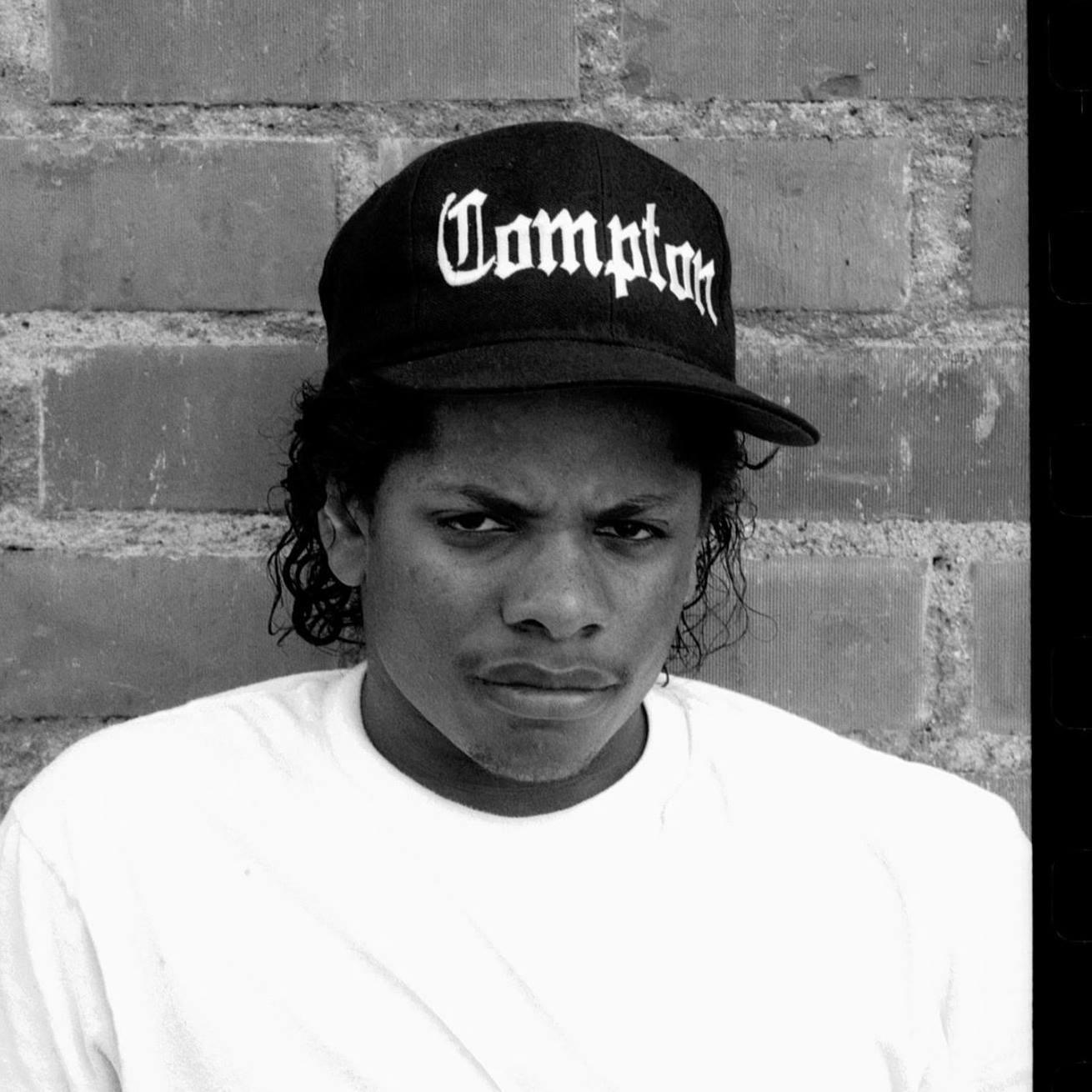
RBX’s Spotify BioRBX got his start as a member of Dr. Dre's Death Row Records, contributing to both Dre's The Chronic and his cousin Snoop Dogg's Doggystyle. An in-house controversy ensued when the release of RBX's solo project, The RBX Files, was delayed indefinitely by Suge Knight. RBX claimed that it was simple unfairness on the labels part, also charging that he had not been paid for his work on the aforementioned albums. His album was eventually released in 1995, and the first single, A.W.O.L, ripped both Dre and Snoop for his troubles. However, most of his subject matter concentrates on positive messages reflecting his faith. By 1996, RBX had reconciled with Dre and was one of the first acts on his Aftermath Entertainment label; still, nothing much was heard from RBX for a time, save for his contribution to Dr. Dre Presents... The Aftermath and Eminem’s The Marshall Mathers LP. Finally, in 1999, RBX resurfaced with a new album titled No Mercy No Remorse The X-Factor. Currently, after a long… hiatus from music, RBX teamed up with Los Angeles based producers Sccit & Siavash The Grouch to release his comeback album Hibernation Shivers on March 15, 2024. The album is his first in 17 years and “the first time I’m taking music seriously,” according to the veteran emcee.
Viberate is a music analytics platform built for A&Rs, artist managers, labels, booking agents, marketers, and artists.
It helps music professionals track artist growth, analyze audience data, monitor playlist activity, compare artists, follow song performance, and identify opportunities across the music market.
Public artist pages provide a free preview of selected artist data. Paid plans provide access to deeper analytics, historical data, charts, comparisons, playlist tools, exports, alerts, reports, and additional professional features.
Yes. Public Viberate artist pages provide selected artist analytics and music data for free.
Viberate also offers a 7-day free trial of the full platform. A credit card is required to start the trial. The trial includes access to the complete product so users can test deeper artist analytics, historical views, playlist insights, comparisons, charts, exports, alerts, and reporting features before choosing a paid plan.
Viberate provides artist analytics across streaming, playlists, social media, video, radio airplay, songs, and audience markets.
Users can analyze Spotify performance, Spotify and Apple Music playlists, YouTube activity, TikTok and Instagram growth, radio spins, song performance, audience locations, demographics, rankings, and overall artist momentum.
Artist profiles also connect to music charts, similar artists, and comparison tools, helping users benchmark performance and evaluate artists in context.
Viberate updates key artist and track data daily.
For followed artists and tracks, selected data is refreshed multiple times per day. This helps teams monitor playlist changes, streaming movement, audience growth, releases, and campaign performance with more current data.
Update frequency can vary depending on the metric and data source.
Yes. Viberate lets users compare up to five artists side by side across streaming, social media, audience, and engagement metrics.
Users can compare fanbase growth, audience demographics, locations, Spotify performance, social metrics, and other artist data over selected time periods.
Artist comparison can be used for A&R scouting, benchmarking, booking decisions, campaign planning, and evaluating artists with similar audiences or market positions.