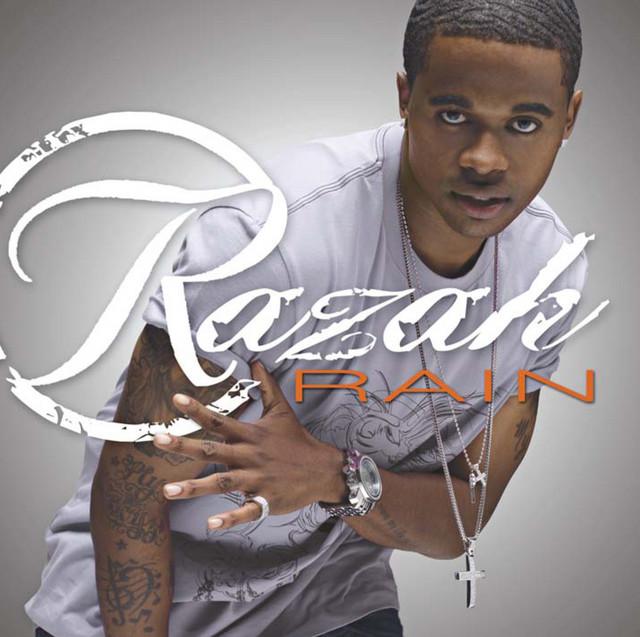
Razah

R&B
Contemporary R&B
Neo Soul
Reggae Fusion
 Viberate Rank: 60193
 Viberate Rank: 60193
 Monthly ListenersFollowers
 Subscribers
 Followers
 Followers
 FansTop Spotify Songs
| Track | 7-Day Streams | |
|---|---|---|
1 | 131.08K | |
2 | 12.22K | |
3 | 1.40K | |
4 | 1.02K | |
5 | 578 |
Top YouTube Videos| Video | 7-Day Views | |
|---|---|---|
1 | 2.38K | |
2 | 97 | |
3 | 41 | |
4 | 17 | |
5 | 14 |
Monthly ListenersFeatured in Playlists| Playlist | Followers | |
|---|---|---|
1 |  Hot🔞🔥 chiccarelli | 226.78K |
2 | 2010 yabancı pop Fatma Selvi | 58.49K |
3 |  Spicy songs for spicy nights 🔥🥵 LillyMcChili | 46.25K |
4 |  Freaky Bedroom playlist ❤🔥 !V4MP1RE¡ | 46.06K |
5 |  VORCARO SONGS aurelio | 25.24K |
Audience| City | Monthly Listeners | |
|---|---|---|
1 |  | 1.25K |
2 |  | 982 |
3 | | 699 |
4 | | 649 |
5 |  | 466 |
See full performance history, audience data, playlist activity, rankings, comparisons, and more in Viberate music analytics. Start with a free trial, then continue with a paid plan.
Razah’s Spotify BioBorn in Jamaica but raised in Brooklyn, R&B singer Razah grew up surrounded by crime, violence, and drugs. With a strong-willed mother, Razah survived the tough environment without ever falling prey to the street life. He took music seriously while in school and hung out at the famous Don One studio in Brooklyn after class. Seeing everyone from Wayne Wonder to Shabba Ranks come to the studio strengthened Razah's reggae roots and whetted his appetite for stardom. Years of sending out demos led to a meeting with the production team ManHood Entertainment and a single, "Feel So Good." The sweet, breezy, and independently released single sparked a bidding war with major labels fighting to sign the smooth singer. A track dedicated to his mother, "Feel So Good," became a regular spin on R&B radio in late 2004. With reggae, R&B, and hip-hop all in the mix, the singer's debut album, Breath of Fresh Air, was released in early 2005. Around that same time, singer Rihanna heard his song "Where Do… We Go from Here" on New York's Hot 97 and asked to add her own verse to the remix. It was through this that Razah met JAY-Z, who soon signed him to Def Jam. Razah's first album for the label, titled Razah, then came out in the spring of 2008. ~ David Jeffries, Rovi
Viberate is a music analytics platform built for A&Rs, artist managers, labels, booking agents, marketers, and artists.
It helps music professionals track artist growth, analyze audience data, monitor playlist activity, compare artists, follow song performance, and identify opportunities across the music market.
Public artist pages provide a free preview of selected artist data. Paid plans provide access to deeper analytics, historical data, charts, comparisons, playlist tools, exports, alerts, reports, and additional professional features.
Yes. Public Viberate artist pages provide selected artist analytics and music data for free.
Viberate also offers a 7-day free trial of the full platform. A credit card is required to start the trial. The trial includes access to the complete product so users can test deeper artist analytics, historical views, playlist insights, comparisons, charts, exports, alerts, and reporting features before choosing a paid plan.
Viberate provides artist analytics across streaming, playlists, social media, video, radio airplay, songs, and audience markets.
Users can analyze Spotify performance, Spotify and Apple Music playlists, YouTube activity, TikTok and Instagram growth, radio spins, song performance, audience locations, demographics, rankings, and overall artist momentum.
Artist profiles also connect to music charts, similar artists, and comparison tools, helping users benchmark performance and evaluate artists in context.
Viberate updates key artist and track data daily.
For followed artists and tracks, selected data is refreshed multiple times per day. This helps teams monitor playlist changes, streaming movement, audience growth, releases, and campaign performance with more current data.
Update frequency can vary depending on the metric and data source.
Yes. Viberate lets users compare up to five artists side by side across streaming, social media, audience, and engagement metrics.
Users can compare fanbase growth, audience demographics, locations, Spotify performance, social metrics, and other artist data over selected time periods.
Artist comparison can be used for A&R scouting, benchmarking, booking decisions, campaign planning, and evaluating artists with similar audiences or market positions.