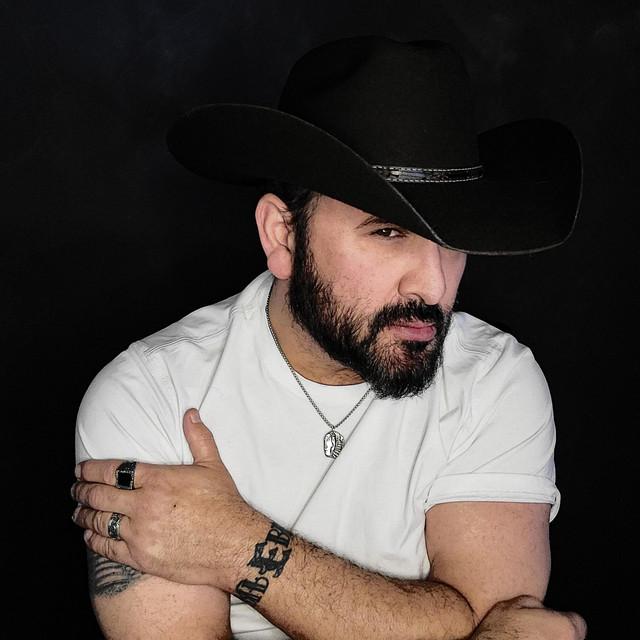
Ray Scott

Country
Americana/Alt Country
Contemporary Country
 Viberate Rank: 101531
 Viberate Rank: 101531
 Monthly ListenersFollowers
 Subscribers
 Followers
 Followers
 FansTop Spotify Songs
| Track | 7-Day Streams | |
|---|---|---|
1 | 26.01K | |
2 | 9.74K | |
3 | 3.08K | |
4 | 2.92K | |
5 | 1.73K |
Top YouTube Videos| Video | 7-Day Views | |
|---|---|---|
1 | 14 | |
2 | 10 |
Monthly ListenersFeatured in Playlists| Playlist | Followers | |
|---|---|---|
1 |  New Country 2026 Travis James | 82.66K |
2 |  90's Country Hits Cameron Paul | 77.30K |
3 | Country music Ewok | 22.97K |
4 |  Certified Country Vydia | 21.88K |
5 | Country Line Dance Junior Bonner | 21.06K |
Audience| City | Monthly Listeners | |
|---|---|---|
1 | | 1.33K |
2 | | 1.30K |
3 |  | 1.22K |
4 |  | 1.20K |
5 | | 1.14K |
See full performance history, audience data, playlist activity, rankings, comparisons, and more in Viberate music analytics. Start with a free trial, then continue with a paid plan.
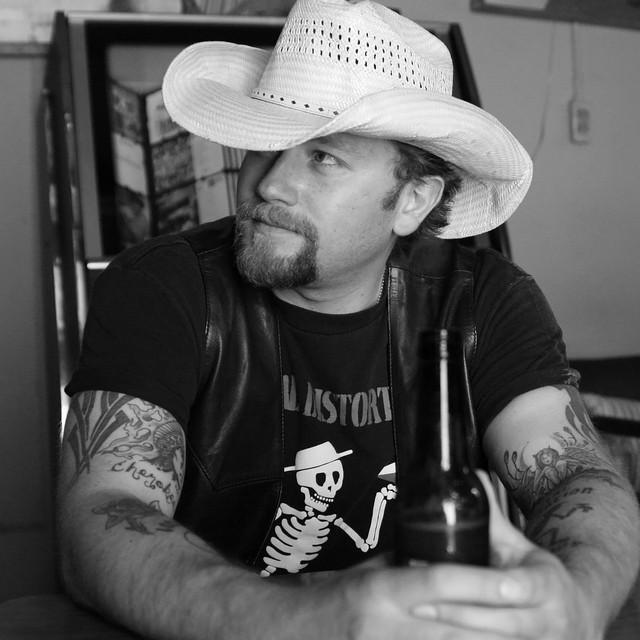
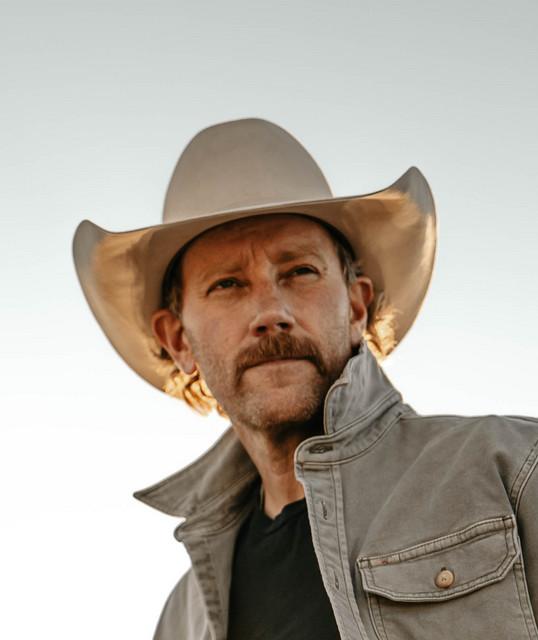
Ray Scott’s Spotify BioIn the 1970s, country music was hijacked by rebel artists who decided it was time to do things their own way. "Damn the establishment" was the battle cry for guys like Waylon Jennings and Hank Williams, Jr. For these artists, music was more than a commodity, more than just good times (although they certainly enjoyed plenty of the latter), it was heart and soul, it was about coloring outside the lines, and playing the game by your own rules. That type of authenticity and passion lives on in the music of Ray Scott. The son of a country singer, Scott grew up in North Carolina with what folks there call "real" country music. Listed alongside his influences -- legendary singer/songwriters such as Willie Nelson and Kris Kristofferson -- is Ray Sr., Scott's father. Ray Sr.'s music had a profound effect on his son: "I realize more all the time that listening to his versions and comparing them to the originals I heard on the radio taught me a lot about how to make a song your own," Scott says.
A…fter slugging it out with his own band in North Carolina, Scott headed to Atlanta and obtained an associate's degree at the Music Business Institute. It wasn't long before the singer made his way to Nashville -- the promised land for a young man with traditional country music burning in his soul. Time in the trenches learning the craft of songwriting led to a deal with publisher Tom Collins. Scott's first taste of music city success came as a songwriter after Randy Travis ("Pray for the Fish,") and Clay Walker ("A Few Questions") recorded his songs. It wasn't long before Warner Bros. Nashville came calling. In December 2005 the label released Scott's old-school debut My Kind of Music. For hardcore country music fans, the album was a breath of fresh air. Scott's rumbling baritone and bona fide outlaw style quickly won him a dedicated following, even though three singles from My Kind of Music stiffed on the charts. With Scott at the wheel, it looked like country music was in good hands and heading back to a more traditionally based sound. Despite little support from radio, My Kind of Music sold a respectable 100,000 copies.
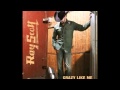
Scott set to work on his sophomore album for Warner Bros. in 2007. Unfortunately, country's love affair with pop music was far from over and after he recorded a number of songs for album number two, Scott and Warner Bros. parted ways. In 2008 Scott independently released Crazy Like Me, a raw and raucous collection of meat-and-potatoes country music. In 2011 Scott returned with Rayality, which featured the singles "Those Jeans" and "What Works for Willie"; the former received substantial play on satellite radio. An eponymous album consisting partially of leftovers from Rayality appeared in 2014, and Scott switched gears for 2017's Guitar for Sale by hiring producer Michael Hughes. 2019 brought the release of Scott's first-ever EP Honky Tonk Heart. ~ Todd Sterling, Rovi
Viberate is a music analytics platform built for A&Rs, artist managers, labels, booking agents, marketers, and artists.
It helps music professionals track artist growth, analyze audience data, monitor playlist activity, compare artists, follow song performance, and identify opportunities across the music market.
Public artist pages provide a free preview of selected artist data. Paid plans provide access to deeper analytics, historical data, charts, comparisons, playlist tools, exports, alerts, reports, and additional professional features.
Yes. Public Viberate artist pages provide selected artist analytics and music data for free.
Viberate also offers a 7-day free trial of the full platform. A credit card is required to start the trial. The trial includes access to the complete product so users can test deeper artist analytics, historical views, playlist insights, comparisons, charts, exports, alerts, and reporting features before choosing a paid plan.
Viberate provides artist analytics across streaming, playlists, social media, video, radio airplay, songs, and audience markets.
Users can analyze Spotify performance, Spotify and Apple Music playlists, YouTube activity, TikTok and Instagram growth, radio spins, song performance, audience locations, demographics, rankings, and overall artist momentum.
Artist profiles also connect to music charts, similar artists, and comparison tools, helping users benchmark performance and evaluate artists in context.
Viberate updates key artist and track data daily.
For followed artists and tracks, selected data is refreshed multiple times per day. This helps teams monitor playlist changes, streaming movement, audience growth, releases, and campaign performance with more current data.
Update frequency can vary depending on the metric and data source.
Yes. Viberate lets users compare up to five artists side by side across streaming, social media, audience, and engagement metrics.
Users can compare fanbase growth, audience demographics, locations, Spotify performance, social metrics, and other artist data over selected time periods.
Artist comparison can be used for A&R scouting, benchmarking, booking decisions, campaign planning, and evaluating artists with similar audiences or market positions.