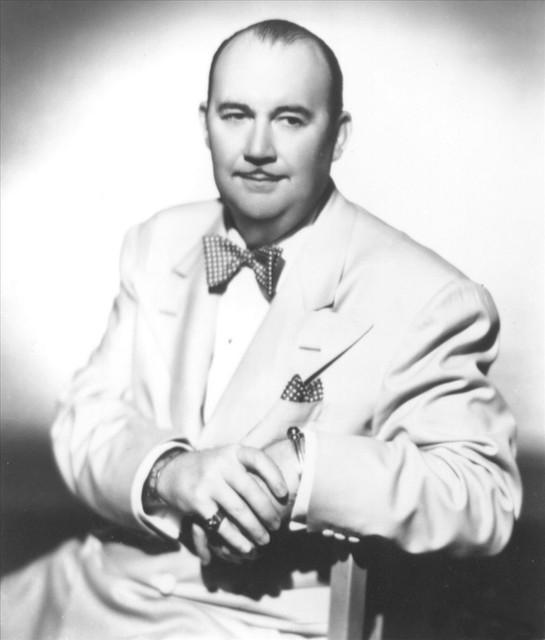
Ray Noble

Jazz
Big band Jazz
Mainstream Pop
 Viberate Rank: 120078
 Viberate Rank: 120078
 Monthly ListenersFollowers
 Subscribers
 Followers
 Followers
 FansTop Spotify Songs
| Track | 7-Day Streams | |
|---|---|---|
1 | 17.00K | |
2 | 17.00K | |
3 | 17.00K | |
4 | 6.05K | |
5 | 5.19K |
Top YouTube VideosMonthly ListenersFeatured in Playlists| Playlist | Followers | |
|---|---|---|
1 |  1940s Wartime Radio AtomicAnemoia | 71.67K |
2 |  Old Jazz 1920s Wai Phoo | 44.44K |
3 | 1930's music Pat Grah | 35.12K |
4 |  Mafia 2 - Game Soundtrack vstmn | 33.79K |
5 | Upbeat Jazz (Instrumental) Peter Hill | 32.18K |
Audience| City | Monthly Listeners | |
|---|---|---|
1 | | 1.02K |
2 |  | 999 |
3 | | 708 |
4 | | 669 |
5 |  | 622 |
See full performance history, audience data, playlist activity, rankings, comparisons, and more in Viberate music analytics. Start with a free trial, then continue with a paid plan.
Ray Noble’s Spotify BioRay Noble had an odd career. Most notable as the composer of "The Very Thought of You," "I Hadn't Anyone Till You," "The Touch of Your Lips," "Goodnight Sweetheart" and "Cherokee" (as well as leader of the orchestra which backed the popular radio show of Edgar Bergen), Noble was an important bandleader in the 1930s but he never seemed to reach his potential. Classically-trained as a pianist, Noble was more interested in dance music and he won a big band arranging contest sponsored by Melody Maker in England. He became the musical director for the important HMV label (1929-34) and led a series of recordings with his New Mayfair Dance Orchestra (1930-34) which often featured the vocals of Al Bowlly. The music was dance-oriented with a slight influence of jazz. Building on his popular success, in 1935 Noble came to the United States where he led his finest orchestra during 1935-37, often playing at the Rainbow Room. His band included for a time trombonist-arranger Glenn Miller (who was… very influenced by Noble's approach and arranging style, "borrowing" "Moonlight Serenade" from Noble's book), Bud Freeman, Pee Wee Erwin, Charlie Spivak, Johnny Mintz, Claude Thornhill and Will Bradley. However after the orchestra broke up in 1937, Noble became much more famous as an emcee on radio and then eventually for his depiction of a pompous and foolish Englishman in comedy bits. In addition to those roles, Noble occasionally led dance bands but by the mid-'50s he had largely retired. Few today probably realize who the Ray Noble was that composed "Cherokee!" ~ Scott Yanow
Viberate is a music analytics platform built for A&Rs, artist managers, labels, booking agents, marketers, and artists.
It helps music professionals track artist growth, analyze audience data, monitor playlist activity, compare artists, follow song performance, and identify opportunities across the music market.
Public artist pages provide a free preview of selected artist data. Paid plans provide access to deeper analytics, historical data, charts, comparisons, playlist tools, exports, alerts, reports, and additional professional features.
Yes. Public Viberate artist pages provide selected artist analytics and music data for free.
Viberate also offers a 7-day free trial of the full platform. A credit card is required to start the trial. The trial includes access to the complete product so users can test deeper artist analytics, historical views, playlist insights, comparisons, charts, exports, alerts, and reporting features before choosing a paid plan.
Viberate provides artist analytics across streaming, playlists, social media, video, radio airplay, songs, and audience markets.
Users can analyze Spotify performance, Spotify and Apple Music playlists, YouTube activity, TikTok and Instagram growth, radio spins, song performance, audience locations, demographics, rankings, and overall artist momentum.
Artist profiles also connect to music charts, similar artists, and comparison tools, helping users benchmark performance and evaluate artists in context.
Viberate updates key artist and track data daily.
For followed artists and tracks, selected data is refreshed multiple times per day. This helps teams monitor playlist changes, streaming movement, audience growth, releases, and campaign performance with more current data.
Update frequency can vary depending on the metric and data source.
Yes. Viberate lets users compare up to five artists side by side across streaming, social media, audience, and engagement metrics.
Users can compare fanbase growth, audience demographics, locations, Spotify performance, social metrics, and other artist data over selected time periods.
Artist comparison can be used for A&R scouting, benchmarking, booking decisions, campaign planning, and evaluating artists with similar audiences or market positions.