Ray Cathode

Electronic
Other Electronic Music
Swing
 Viberate Rank: 419534
 Viberate Rank: 419534
 Monthly ListenersFollowers
 Subscribers
 Followers
 Followers
 FansTop Spotify Songs
| Track | 7-Day Streams | |
|---|---|---|
1 | 762 | |
2 | 762 | |
3 | 762 | |
4 | 350 | |
5 | 350 |
Top YouTube VideosMonthly ListenersFeatured in Playlists| Playlist | Followers | |
|---|---|---|
1 |  NPR All Songs Considered - The Bob Boilen years (unofficial) Fri Tsch | 30.02K |
2 |  High Maintenance | Official HBO | 23.98K |
3 |  High Maintenance (Complete) Christopher | 23.07K |
4 | High Maintenance HBO Season 3 Playlist HBO | 9.11K |
5 |  PRE DINNER COCKTAILS Zoe Foster Blake | 6.83K |
Audience| City | Monthly Listeners | |
|---|---|---|
1 | | 72 |
2 |  | 50 |
3 | | 49 |
4 | | 43 |
5 | | 41 |
See full performance history, audience data, playlist activity, rankings, comparisons, and more in Viberate music analytics. Start with a free trial, then continue with a paid plan.
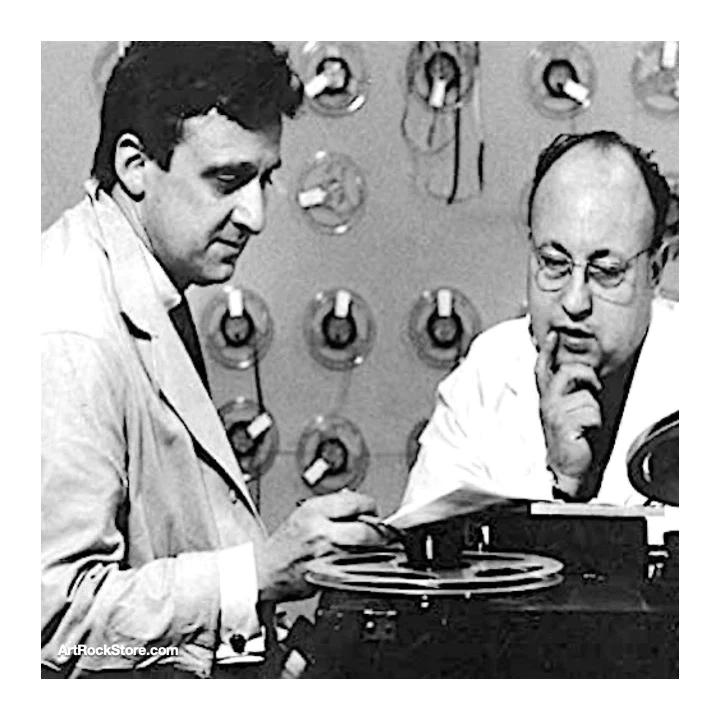
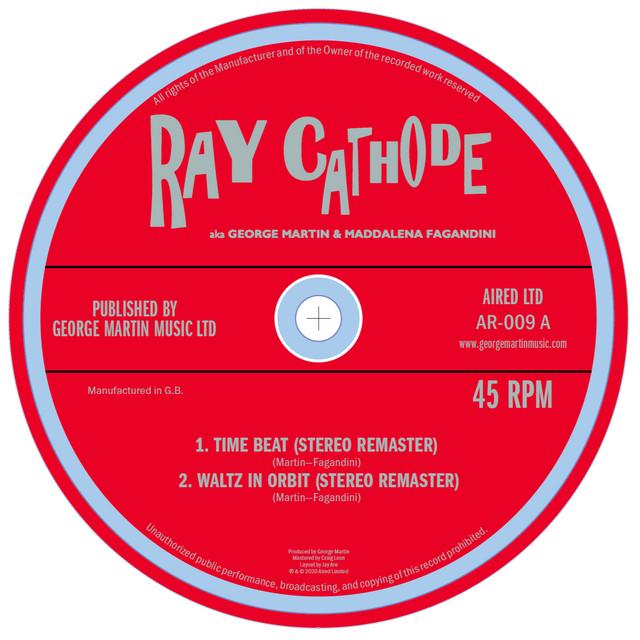
Ray Cathode’s Spotify BioIn early 1962, venerated producer, composer, and music executive George Martin collaborated with BBC Radiophonic Workshop’s Maddalena Fagandini to create and record two pioneering electronic instrumental tracks, “Time Beat” and “Waltz in Orbit.” Under the artist pseudonym Ray Cathode, the tracks were released in April 1962 as a Parlophone single and B-side, just weeks before Martin met and recorded The Beatles for the first time.
During his storied seven-decade career, George Martin actively nurtured his lifelong fascination with sound. From his first hit recordings, he would experiment in the studio, using the room and its equipment, playing with different tape speeds, acoustics, reverse echo, backward recording, music concrète, and other forward-looking techniques. Martin’s working base since 1950, EMI’s Abbey Road Studios, was light on electronics at the time, but only a short walk away from the innovative BBC Radiophonic Workshop. There he met fellow audio experimentalists who were… making soundscapes for television shows from nascent electronic hardware they'd made or acquired long before the emergence of anything recognizable as similar. At the Workshop, every sound was made laboriously by hand. The Ray Cathode tracks heralded the dawn of electronica.
Martin and Fagandini’s pioneering use of synths on “Time Beat” is carried forward in the song’s 2020 Drum & Lace remix, using some of today’s innovative recording technology.
Viberate is a music analytics platform built for A&Rs, artist managers, labels, booking agents, marketers, and artists.
It helps music professionals track artist growth, analyze audience data, monitor playlist activity, compare artists, follow song performance, and identify opportunities across the music market.
Public artist pages provide a free preview of selected artist data. Paid plans provide access to deeper analytics, historical data, charts, comparisons, playlist tools, exports, alerts, reports, and additional professional features.
Yes. Public Viberate artist pages provide selected artist analytics and music data for free.
Viberate also offers a 7-day free trial of the full platform. A credit card is required to start the trial. The trial includes access to the complete product so users can test deeper artist analytics, historical views, playlist insights, comparisons, charts, exports, alerts, and reporting features before choosing a paid plan.
Viberate provides artist analytics across streaming, playlists, social media, video, radio airplay, songs, and audience markets.
Users can analyze Spotify performance, Spotify and Apple Music playlists, YouTube activity, TikTok and Instagram growth, radio spins, song performance, audience locations, demographics, rankings, and overall artist momentum.
Artist profiles also connect to music charts, similar artists, and comparison tools, helping users benchmark performance and evaluate artists in context.
Viberate updates key artist and track data daily.
For followed artists and tracks, selected data is refreshed multiple times per day. This helps teams monitor playlist changes, streaming movement, audience growth, releases, and campaign performance with more current data.
Update frequency can vary depending on the metric and data source.
Yes. Viberate lets users compare up to five artists side by side across streaming, social media, audience, and engagement metrics.
Users can compare fanbase growth, audience demographics, locations, Spotify performance, social metrics, and other artist data over selected time periods.
Artist comparison can be used for A&R scouting, benchmarking, booking decisions, campaign planning, and evaluating artists with similar audiences or market positions.