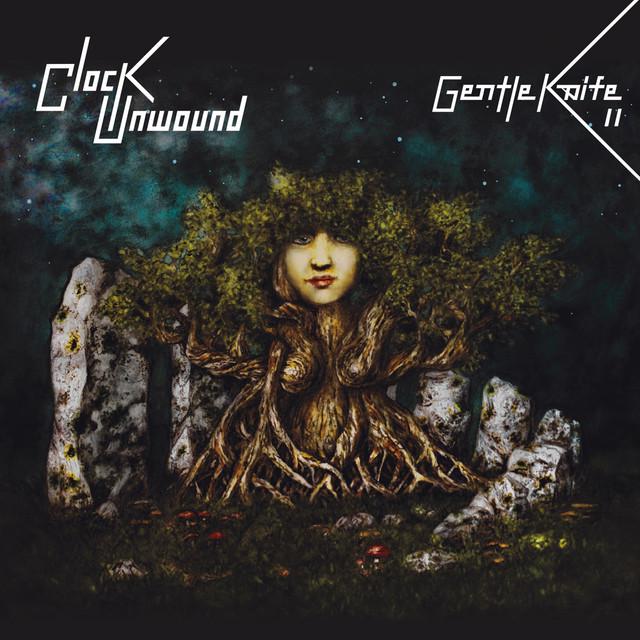
Raven Sad

Rock
Progressive Rock
 Viberate Rank: 606063
 Viberate Rank: 606063
 Monthly ListenersFollowers
 Subscribers
 Followers
 Followers
 FansTop Spotify Songs
| Track | 7-Day Streams | |
|---|---|---|
1 | 18 | |
2 | 17 | |
3 | 14 | |
4 | 12 | |
5 | 11 |
Top YouTube Videos| Video | 7-Day Views | |
|---|---|---|
1 | 2 |
Monthly ListenersFeatured in Playlists| Playlist | Followers | |
|---|---|---|
1 |  Prog Rock Ballads David Grootveld | 2.10K |
Audience| City | Monthly Listeners | |
|---|---|---|
1 |  | 4 |
2 | | 3 |
3 |  | 3 |
See full performance history, audience data, playlist activity, rankings, comparisons, and more in Viberate music analytics. Start with a free trial, then continue with a paid plan.
Raven Sad’s Spotify BioI Raven Sad nascono nel 2005 come progetto solista del chitarrista Samuele Santanna. La prima demo “Raven Sad and other stories” viene incisa in pochi giorni ed inviata alle più importanti etichette discografiche indipendenti. Sono in molte a rispondere, ma la Lizard Records rappresenta la scelta più idonea.
Nel 2008 il primo album in studio targato Raven Sad, “Quoth” riscuote ottime recensioni e raggiunge le finali dell’Italian Prog Awards nella categoria “Best debut album”.
“We are not alone”, viene pubblicato sempre dalla Lizard nel luglio del 2009. Musicalmente, in questa nuova opera, vengono maggiormente marcati i ricordi floydiani ed ambient, da sempre nel background dell’autore.
“We are not alone” vede la partecipazione di altri musicisti, tra i quali si distinguono Fabrizio Trinci, Marco Chiappini dei Gandalf’s Project e il jazzista Gilberto Giusto, quest’ultimo al sax. La critica accoglie benissimo il disco e viene nuovamente nominato dagli Italian Prog Awards nelle categorie… “Best Italian Album” e “Best Artwork”. Nel Dicembre del 2011 esce l’ultimo album “Layers Of Stratosphere”.
Il 17 aprile 2018 la band di Samuele Santanna torna in pista con una nuova formazione e un quarto album in cantiere. Per l’occasione Samuele ufficializza l’entrata in formazione di Gabriele Marconcini, già vocalist di Biofonia e Merging Cluster, di Marco Geri al basso e Francesco Carnesecchi alla batteria, mentre alle tastiere siede l’amico di lungo corso Fabrizio Trinci.
Viberate is a music analytics platform built for A&Rs, artist managers, labels, booking agents, marketers, and artists.
It helps music professionals track artist growth, analyze audience data, monitor playlist activity, compare artists, follow song performance, and identify opportunities across the music market.
Public artist pages provide a free preview of selected artist data. Paid plans provide access to deeper analytics, historical data, charts, comparisons, playlist tools, exports, alerts, reports, and additional professional features.
Yes. Public Viberate artist pages provide selected artist analytics and music data for free.
Viberate also offers a 7-day free trial of the full platform. A credit card is required to start the trial. The trial includes access to the complete product so users can test deeper artist analytics, historical views, playlist insights, comparisons, charts, exports, alerts, and reporting features before choosing a paid plan.
Viberate provides artist analytics across streaming, playlists, social media, video, radio airplay, songs, and audience markets.
Users can analyze Spotify performance, Spotify and Apple Music playlists, YouTube activity, TikTok and Instagram growth, radio spins, song performance, audience locations, demographics, rankings, and overall artist momentum.
Artist profiles also connect to music charts, similar artists, and comparison tools, helping users benchmark performance and evaluate artists in context.
Viberate updates key artist and track data daily.
For followed artists and tracks, selected data is refreshed multiple times per day. This helps teams monitor playlist changes, streaming movement, audience growth, releases, and campaign performance with more current data.
Update frequency can vary depending on the metric and data source.
Yes. Viberate lets users compare up to five artists side by side across streaming, social media, audience, and engagement metrics.
Users can compare fanbase growth, audience demographics, locations, Spotify performance, social metrics, and other artist data over selected time periods.
Artist comparison can be used for A&R scouting, benchmarking, booking decisions, campaign planning, and evaluating artists with similar audiences or market positions.