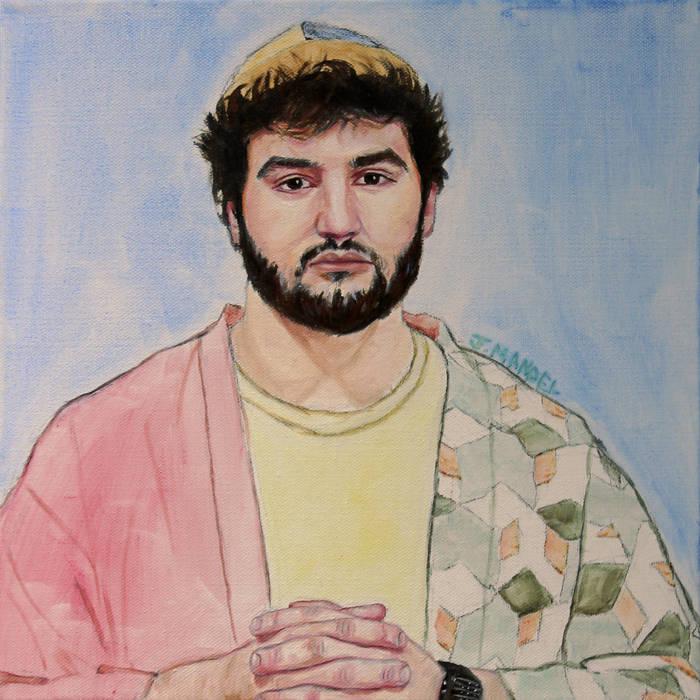
Rav

Hip Hop
Alternative Hip Hop
Lo-Fi
 Viberate Rank: 73625
 Viberate Rank: 73625
 Monthly ListenersFollowers
 Subscribers
 Followers
 Followers
 FansTop Spotify Songs
| Track | 7-Day Streams | |
|---|---|---|
1 | 30.86K | |
2 | 15.30K | |
3 | 11.22K | |
4 | 10.40K | |
5 | 8.83K |
Top YouTube Videos| Video | 7-Day Views | |
|---|---|---|
1 | 897 | |
2 | 591 | |
3 | 395 | |
4 | 176 | |
5 | 130 |
Monthly ListenersFeatured in Playlists| Playlist | Followers | |
|---|---|---|
1 |  The Sound of Everything The Sounds of Spotify | 53.81K |
2 |  This Is potsu Spotify | 20.62K |
3 |  LoFi Rap James Schulz | 19.13K |
4 |  stream friendly bangers sinaheh | 18.44K |
5 |  avoiding DMCA itzmasayoshi | 17.67K |
Audience| City | Monthly Listeners | |
|---|---|---|
1 | | 2.92K |
2 | | 2.67K |
3 | | 2.10K |
4 | | 2.04K |
5 | | 1.90K |
See full performance history, audience data, playlist activity, rankings, comparisons, and more in Viberate music analytics. Start with a free trial, then continue with a paid plan.
Rav’s Spotify BioI was born in the USSR a few weeks before it was dissolved. Spending much of my youth in the post-Soviet Union slums, raised by a young single mother, I was exposed to a wide array of art and entertainment, first starting with a ton of weird Soviet animations, 80s/90s US cartoons, and 80s/90s anime.
Once I eventually stumbled upon Hip-Hop, it was love at first sight. Upon hearing Phife Dawg (RIP) and Q-Tip going back and forth on Electric Relaxation, I became irreversibly obsessed with Hip-Hop as an expression, culture and a personal source of infinite freedom.
Whenever I find myself having to describe my music to people, I've noticed I tend to emphasize how "personal" it is, but I feel like that could probably be said and be true for almost anything ever, right? The way I look at it is simple - Hip-Hop is the language I utilize to organize and make sense of my feelings, both the enduring and the fleeting. I've been unabashedly forthcoming about many of my struggles and shortcomings… throughout the many years that I've been making music for, and my expression of these things appears to have found an audience. I'm very lucky.
Thanks for tuning in!
xoxo
Viberate is a music analytics platform built for A&Rs, artist managers, labels, booking agents, marketers, and artists.
It helps music professionals track artist growth, analyze audience data, monitor playlist activity, compare artists, follow song performance, and identify opportunities across the music market.
Public artist pages provide a free preview of selected artist data. Paid plans provide access to deeper analytics, historical data, charts, comparisons, playlist tools, exports, alerts, reports, and additional professional features.
Yes. Public Viberate artist pages provide selected artist analytics and music data for free.
Viberate also offers a 7-day free trial of the full platform. A credit card is required to start the trial. The trial includes access to the complete product so users can test deeper artist analytics, historical views, playlist insights, comparisons, charts, exports, alerts, and reporting features before choosing a paid plan.
Viberate provides artist analytics across streaming, playlists, social media, video, radio airplay, songs, and audience markets.
Users can analyze Spotify performance, Spotify and Apple Music playlists, YouTube activity, TikTok and Instagram growth, radio spins, song performance, audience locations, demographics, rankings, and overall artist momentum.
Artist profiles also connect to music charts, similar artists, and comparison tools, helping users benchmark performance and evaluate artists in context.
Viberate updates key artist and track data daily.
For followed artists and tracks, selected data is refreshed multiple times per day. This helps teams monitor playlist changes, streaming movement, audience growth, releases, and campaign performance with more current data.
Update frequency can vary depending on the metric and data source.
Yes. Viberate lets users compare up to five artists side by side across streaming, social media, audience, and engagement metrics.
Users can compare fanbase growth, audience demographics, locations, Spotify performance, social metrics, and other artist data over selected time periods.
Artist comparison can be used for A&R scouting, benchmarking, booking decisions, campaign planning, and evaluating artists with similar audiences or market positions.