Raúl Barboza

Latin
Other Latin Music
Tango
 Viberate Rank: 164370
 Viberate Rank: 164370
 Monthly ListenersFollowers
 Subscribers
 Followers
 Followers
 FansTop Spotify Songs
| Track | 7-Day Streams | |
|---|---|---|
1 | 3.36K | |
2 | 1.90K | |
3 | 1.81K | |
4 | 1.62K | |
5 | 1.62K |
Top YouTube VideosMonthly ListenersFeatured in Playlists| Playlist | Followers | |
|---|---|---|
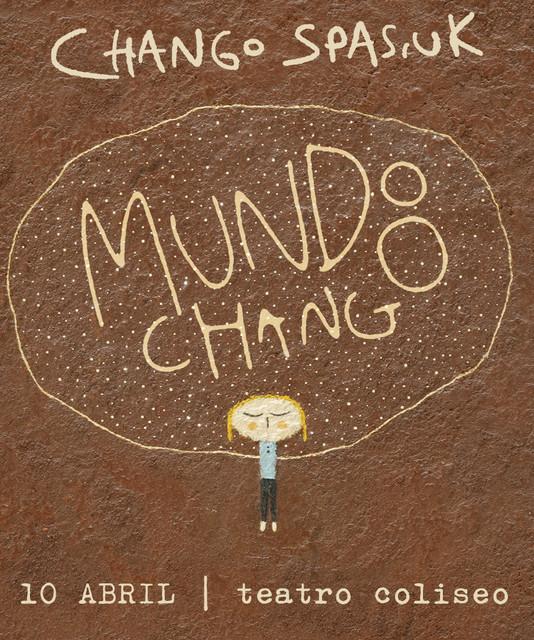
1 |  Mundo Chamamé Spotify | 67.54K |
2 |  KCRW Morning Becomes Eclectic Juan Vargas | 5.59K |
3 |  Milonga Tandas - Tango Argentina - por Aren León Aren León Tango Archive | 5.28K |
4 |  El Topador acostaguta | 4.72K |
5 | Chamame Paraguay (Lo Mejor) ojsm | 4.59K |
Audience| City | Monthly Listeners | |
|---|---|---|
1 | | 3.61K |
2 |  | 819 |
3 | | 777 |
4 | | 572 |
5 |  | 551 |
See full performance history, audience data, playlist activity, rankings, comparisons, and more in Viberate music analytics. Start with a free trial, then continue with a paid plan.
Raúl Barboza’s Spotify BioThe musical traditions of the Guyani Indians of northeastern Argentina served as the training ground for Buenos Aires-born accordionist Raúl Barboza, but his music reflects a more-global view. A unique mix of Indian, European, and African influences, Barboza's tunes incorporate everything from tangos, mazurkas, and waltzes to natural sounds of the environment and wildlife. The recipient of a Konex Prize as one of the five Best Figures in the History of Argentinean Popular Music, in 1985, Barboza continued to explore new musical paths. His first album since moving to France, De Villa Nueva (released in 1992), was followed by Tierra Sin Mal two years later and Anthologie in 2001. The son of an orchestra leader and guitarist, Barboza began playing the diatonic accordion at the age of seven. Performing with his father's band, Irupe, throughout his teens, he made his recording debut with the group in 1950. Forming his own band at the age of 15, Barboza spent a decade establishing himself… throughout his homeland. He released his self-titled debut album in 1964. Performing in Paris for the first time in 1987 at the recommendation of late tango master Astor Piazzolla, Barboza fell in love with the French capital. Moving to Paris with his wife, Olga, shortly afterwards, he became involved with the city's tango/jazz accordion scene that included such stellar players as Richard Galliano, Marcel Azzola, Daniel Colon, and Marc Perrone. Barboza continues to perform with his quartet -- featuring Javier Samudio (harp), Alfonso Pacin (guitar, violin, charanga), and Daniel Duchowney (percussion) -- and in a duo that shares with flamenco guitarist Pedro Soler. ~ Craig Harris, Rovi
Viberate is a music analytics platform built for A&Rs, artist managers, labels, booking agents, marketers, and artists.
It helps music professionals track artist growth, analyze audience data, monitor playlist activity, compare artists, follow song performance, and identify opportunities across the music market.
Public artist pages provide a free preview of selected artist data. Paid plans provide access to deeper analytics, historical data, charts, comparisons, playlist tools, exports, alerts, reports, and additional professional features.
Yes. Public Viberate artist pages provide selected artist analytics and music data for free.
Viberate also offers a 7-day free trial of the full platform. A credit card is required to start the trial. The trial includes access to the complete product so users can test deeper artist analytics, historical views, playlist insights, comparisons, charts, exports, alerts, and reporting features before choosing a paid plan.
Viberate provides artist analytics across streaming, playlists, social media, video, radio airplay, songs, and audience markets.
Users can analyze Spotify performance, Spotify and Apple Music playlists, YouTube activity, TikTok and Instagram growth, radio spins, song performance, audience locations, demographics, rankings, and overall artist momentum.
Artist profiles also connect to music charts, similar artists, and comparison tools, helping users benchmark performance and evaluate artists in context.
Viberate updates key artist and track data daily.
For followed artists and tracks, selected data is refreshed multiple times per day. This helps teams monitor playlist changes, streaming movement, audience growth, releases, and campaign performance with more current data.
Update frequency can vary depending on the metric and data source.
Yes. Viberate lets users compare up to five artists side by side across streaming, social media, audience, and engagement metrics.
Users can compare fanbase growth, audience demographics, locations, Spotify performance, social metrics, and other artist data over selected time periods.
Artist comparison can be used for A&R scouting, benchmarking, booking decisions, campaign planning, and evaluating artists with similar audiences or market positions.