Rare Bird

Rock
Progressive Rock
 Viberate Rank: 141568
 Viberate Rank: 141568
 Monthly ListenersFollowers
 Subscribers
 Followers
 Followers
 FansTop Spotify Songs
| Track | 7-Day Streams | |
|---|---|---|
1 | 17.63K | |
2 | 1.96K | |
3 | 1.32K | |
4 | 641 | |
5 | 509 |
Top YouTube VideosMonthly ListenersFeatured in Playlists| Playlist | Followers | |
|---|---|---|
1 |  Seventies Hits 1970-1979 Victor Legerstee | 22.47K |
2 |  Best Bass Guitar Riffs Allan Mcwatt | 20.14K |
3 | Jaren 60 en 70 teuntje60 | 17.65K |
4 |  Progressive Rock Mix PlatinumGains | 14.45K |
5 |  Prog Rock Classics SWÖRD BOY | 13.43K |
Audience| City | Monthly Listeners | |
|---|---|---|
1 |  | 1.76K |
2 |  | 1.58K |
3 |  | 715 |
4 |  | 647 |
5 | | 524 |
See full performance history, audience data, playlist activity, rankings, comparisons, and more in Viberate music analytics. Start with a free trial, then continue with a paid plan.
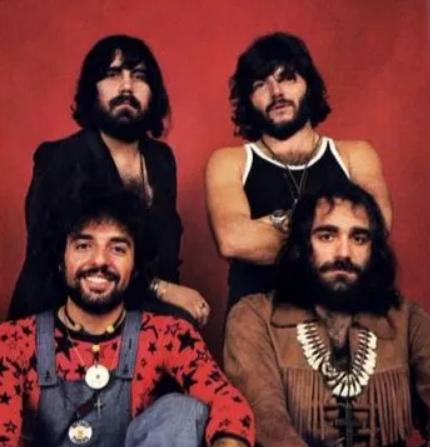
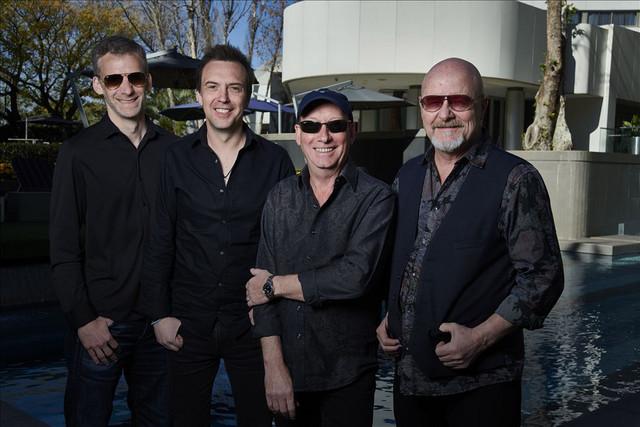
Rare Bird’s Spotify BioRare Bird came together in October 1969 when organist Graham Field, keyboardist Dave Kaffinetti, drummer Mark Ashton, and vocalist Steve Gould envisioned a two-keyboard rock sound without guitars. They released their debut before the end of the year, featuring the minor radio hit "Sympathy." The next year they released As Your Mind Flies By, a dark and heavier album that put further emphasis on Gould's melodramatic singing style. Field and Ashton left the group before Epic Forest, which saw new drummer Fred Kelly bring in guitarist Andy Curtis to revamp their sound into a more folk-oriented direction. Gould also picked up the guitar at this point, and the music became much more about their guitar interplay than anything else. By 1973's Somebody's Watching, interest had waned in their efforts, leaving the group with a dwindling fan base. Still, they managed to release one more album, 1974's Born Again, which featured an entirely different sound than the progressive rock of their first… two albums. The band's demise was followed by a collection, Sympathy, which took its material from the first two albums only. ~ Bradley Torreano, Rovi
Viberate is a music analytics platform built for A&Rs, artist managers, labels, booking agents, marketers, and artists.
It helps music professionals track artist growth, analyze audience data, monitor playlist activity, compare artists, follow song performance, and identify opportunities across the music market.
Public artist pages provide a free preview of selected artist data. Paid plans provide access to deeper analytics, historical data, charts, comparisons, playlist tools, exports, alerts, reports, and additional professional features.
Yes. Public Viberate artist pages provide selected artist analytics and music data for free.
Viberate also offers a 7-day free trial of the full platform. A credit card is required to start the trial. The trial includes access to the complete product so users can test deeper artist analytics, historical views, playlist insights, comparisons, charts, exports, alerts, and reporting features before choosing a paid plan.
Viberate provides artist analytics across streaming, playlists, social media, video, radio airplay, songs, and audience markets.
Users can analyze Spotify performance, Spotify and Apple Music playlists, YouTube activity, TikTok and Instagram growth, radio spins, song performance, audience locations, demographics, rankings, and overall artist momentum.
Artist profiles also connect to music charts, similar artists, and comparison tools, helping users benchmark performance and evaluate artists in context.
Viberate updates key artist and track data daily.
For followed artists and tracks, selected data is refreshed multiple times per day. This helps teams monitor playlist changes, streaming movement, audience growth, releases, and campaign performance with more current data.
Update frequency can vary depending on the metric and data source.
Yes. Viberate lets users compare up to five artists side by side across streaming, social media, audience, and engagement metrics.
Users can compare fanbase growth, audience demographics, locations, Spotify performance, social metrics, and other artist data over selected time periods.
Artist comparison can be used for A&R scouting, benchmarking, booking decisions, campaign planning, and evaluating artists with similar audiences or market positions.