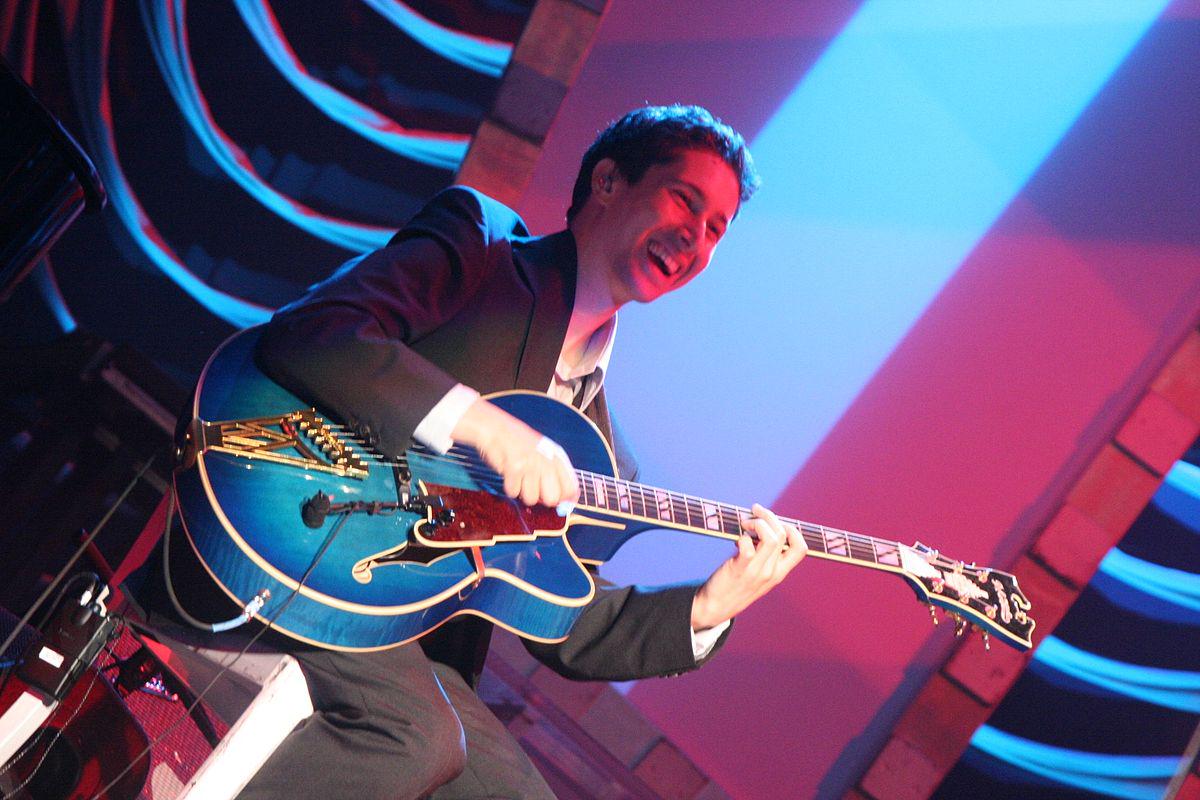
Randy Napoleon

Jazz
Smooth Jazz
Jazz Fusion
 Viberate Rank: 542652
 Viberate Rank: 542652
 Monthly ListenersFollowers
 Subscribers
 Followers
 Followers
 FansTop Spotify Songs
| Track | 7-Day Streams | |
|---|---|---|
1 | 54 | |
2 | 53 | |
3 | 24 | |
4 | 19 | |
5 | 16 |
Top YouTube VideosMonthly ListenersFeatured in Playlists| Playlist | Followers | |
|---|---|---|
1 |  New Jazz Drops 💡 Contemporary Modern Jazz Fusion SlideUp Records | 3.76K |
2 | jazz guitar jazz tocarreira | 3.75K |
3 |  My kinda jazz TEEJUS | 2.17K |
4 |  Jazz for the soul Max William Lewis | 1.58K |
5 |  summer in southern france nev | 1.38K |
Audience| City | Monthly Listeners | |
|---|---|---|
1 | | 7 |
2 |  | 6 |
3 |  | 6 |
4 | | 6 |
5 | | 5 |
See full performance history, audience data, playlist activity, rankings, comparisons, and more in Viberate music analytics. Start with a free trial, then continue with a paid plan.
Randy Napoleon’s Spotify BioBorn in Brooklyn, NY, in 1977, Randy Napoleon was interested in jazz from childhood, due to his parents Greg and Davi, avid jazz listeners and supporters. The family moved to Ann Arbor, MI, and at age 13 Napoleon won a soloists award at the Heritage Jazz Competition in nearby Ypsilanti, sponsored by radio station WEMU-FM. From there it was music studies at Pioneer High School, where he played in their jazz big band directed by trumpeter and educator Louis Smith. Upon graduation from high school, he enrolled at the University of Michigan, participating in their then burgeoning jazz studies curriculum, obtaining a B.F.A. in Music. His career was fortified after moving back to New York City in 1999, when he joined pianist Benny Green's trio and started taking private lessons with ex-Michiganian Randy Johnston. Napoleon's connection to John Clayton and Jeff Hamilton dated back to his college days, when Jeff Hamilton heard him perform with the University of Michigan Big Band, and he joined… the Los Angeles-based orchestra for recording and touring opportunities, particularly Europe and Japan with the Clayton-Hamilton Jazz Orchestra. This group was named by readers of Down Beat magazine as Best Jazz Big Band in 2003. In the fall of 2004, he began a three-year stint with Canadian pop-jazz vocalist Michael Bublé, playing concerts and making numerous television appearances worldwide. He then left Bublé to join vocalist Freddy Cole's backup band. Napoleon has also played with fellow metro Detroiters Rodney Whitaker and Rick Roe, and cabaret singers Eric Comstock and Barbara Fasano. He has formed partnerships with some of the finest musicians of his own generation, peers Josh Brown, Gerald Clayton, Julius Tolentino, and Sachal Vasandani, as well as veterans Houston Person and Grady Tate. When time allows, he leads his own trio with organist Jared Gold and drummer Quincy Davis, or Benny Green and bassist David Wong. Favorably compared to Wes Montgomery, he displays an even balance of swing, soul, and single-line or chord elements that mark an emerging voice dedicated to tradition and universally accessible jazz values. ~ Michael G. Nastos, Rovi
Viberate is a music analytics platform built for A&Rs, artist managers, labels, booking agents, marketers, and artists.
It helps music professionals track artist growth, analyze audience data, monitor playlist activity, compare artists, follow song performance, and identify opportunities across the music market.
Public artist pages provide a free preview of selected artist data. Paid plans provide access to deeper analytics, historical data, charts, comparisons, playlist tools, exports, alerts, reports, and additional professional features.
Yes. Public Viberate artist pages provide selected artist analytics and music data for free.
Viberate also offers a 7-day free trial of the full platform. A credit card is required to start the trial. The trial includes access to the complete product so users can test deeper artist analytics, historical views, playlist insights, comparisons, charts, exports, alerts, and reporting features before choosing a paid plan.
Viberate provides artist analytics across streaming, playlists, social media, video, radio airplay, songs, and audience markets.
Users can analyze Spotify performance, Spotify and Apple Music playlists, YouTube activity, TikTok and Instagram growth, radio spins, song performance, audience locations, demographics, rankings, and overall artist momentum.
Artist profiles also connect to music charts, similar artists, and comparison tools, helping users benchmark performance and evaluate artists in context.
Viberate updates key artist and track data daily.
For followed artists and tracks, selected data is refreshed multiple times per day. This helps teams monitor playlist changes, streaming movement, audience growth, releases, and campaign performance with more current data.
Update frequency can vary depending on the metric and data source.
Yes. Viberate lets users compare up to five artists side by side across streaming, social media, audience, and engagement metrics.
Users can compare fanbase growth, audience demographics, locations, Spotify performance, social metrics, and other artist data over selected time periods.
Artist comparison can be used for A&R scouting, benchmarking, booking decisions, campaign planning, and evaluating artists with similar audiences or market positions.