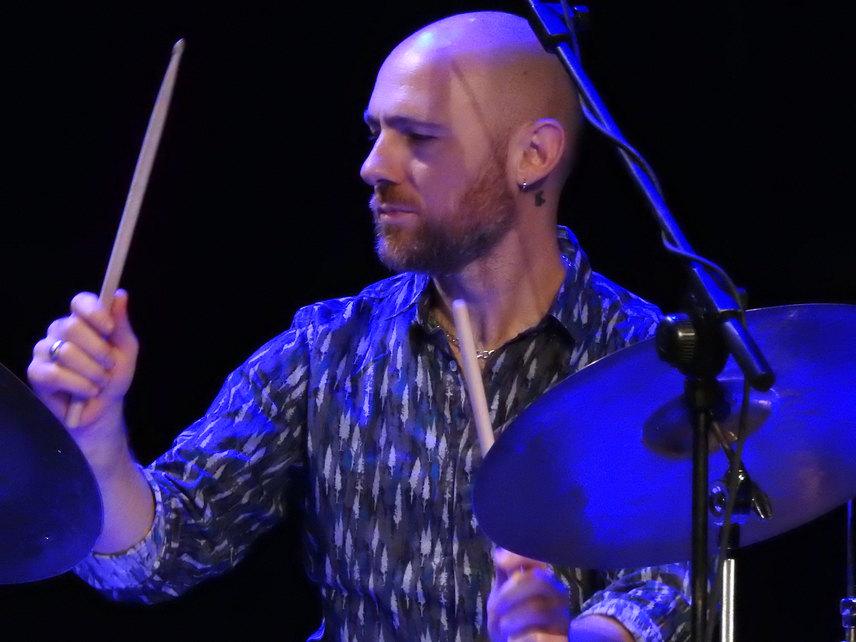
Randy Ingram

Jazz
Smooth Jazz
Vocal jazz
Avant-garde Jazz
 Viberate Rank: 379964
 Viberate Rank: 379964
 Monthly ListenersFollowers
 Subscribers
 Followers
 Followers
 FansTop Spotify Songs
| Track | 7-Day Streams | |
|---|---|---|
1 | 476 | |
2 | 321 | |
3 | 198 | |
4 | 78 | |
5 | 63 |
Top YouTube VideosMonthly ListenersFeatured in Playlists| Playlist | Followers | |
|---|---|---|
1 |  Jazz Covers Spotify | 161.30K |
2 |  Vocal Jazz Standards Spotify | 112.82K |
3 | jazz - female vocal wanwan | 1.22K |
Audience| City | Monthly Listeners | |
|---|---|---|
1 |  | 38 |
2 |  | 37 |
3 |  | 31 |
4 |  | 29 |
5 |  | 28 |
See full performance history, audience data, playlist activity, rankings, comparisons, and more in Viberate music analytics. Start with a free trial, then continue with a paid plan.
Randy Ingram’s Spotify BioA gifted pianist, Randy Ingram is an adept improviser and accompanist with a warm, harmonically sophisticated approach to post-bop jazz and standards.
Born in Anchorage, Alaska, Ingram moved with his parents to Laguna Beach, California, where he first started playing piano around age four. He was already an adept performer by his teens, playing in a jazz trio with classmates bassist Billy Mohler and future Kneebody drummer Nate Wood. After high school, Ingram honed his skills at the University of Southern California, where he studied on scholarship. He gigged regularly around the Los Angeles area during this period, appearing with Joe La Barbera, Tierney Sutton, Billy Higgins, and others. After graduating, he garnered a further scholarship to Boston's New England Conservatory of Music, where he earned his master's degree. Moving to Brooklyn in 2003, he quickly found work with such luminaries as Joel Frahm, Ben Monder, Kendrick Scott, and others.
In 2007, Ingram earned the ASCAP Young… Jazz Composer's Award, and he made his solo debut two years later with The Road Ahead. Sky/Lift, a quartet date featuring guitarist Mike Moreno, bassist Matt Clohesy, and drummer Jochen Rueckert, followed in 2014. Ingram paired with bassist Drew Gress in 2017 for the intimate duo session The Wandering. The Means of Response, an emotionally charged trio set featuring Gress on bass and Jochen Rueckert on drums, arrived two years later. ~ Matt Collar, Rovi
Viberate is a music analytics platform built for A&Rs, artist managers, labels, booking agents, marketers, and artists.
It helps music professionals track artist growth, analyze audience data, monitor playlist activity, compare artists, follow song performance, and identify opportunities across the music market.
Public artist pages provide a free preview of selected artist data. Paid plans provide access to deeper analytics, historical data, charts, comparisons, playlist tools, exports, alerts, reports, and additional professional features.
Yes. Public Viberate artist pages provide selected artist analytics and music data for free.
Viberate also offers a 7-day free trial of the full platform. A credit card is required to start the trial. The trial includes access to the complete product so users can test deeper artist analytics, historical views, playlist insights, comparisons, charts, exports, alerts, and reporting features before choosing a paid plan.
Viberate provides artist analytics across streaming, playlists, social media, video, radio airplay, songs, and audience markets.
Users can analyze Spotify performance, Spotify and Apple Music playlists, YouTube activity, TikTok and Instagram growth, radio spins, song performance, audience locations, demographics, rankings, and overall artist momentum.
Artist profiles also connect to music charts, similar artists, and comparison tools, helping users benchmark performance and evaluate artists in context.
Viberate updates key artist and track data daily.
For followed artists and tracks, selected data is refreshed multiple times per day. This helps teams monitor playlist changes, streaming movement, audience growth, releases, and campaign performance with more current data.
Update frequency can vary depending on the metric and data source.
Yes. Viberate lets users compare up to five artists side by side across streaming, social media, audience, and engagement metrics.
Users can compare fanbase growth, audience demographics, locations, Spotify performance, social metrics, and other artist data over selected time periods.
Artist comparison can be used for A&R scouting, benchmarking, booking decisions, campaign planning, and evaluating artists with similar audiences or market positions.