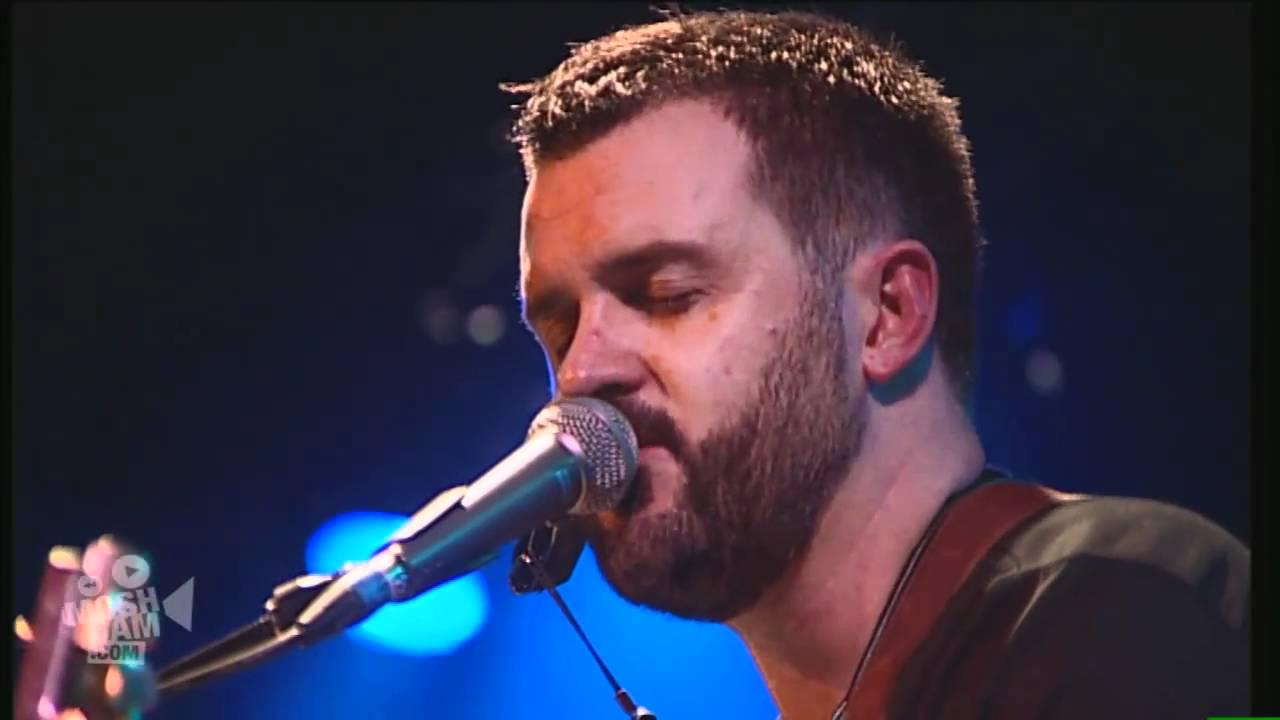
Ramblin' Dan Stevens

Blues
Contemporary Blues
 Viberate Rank: 591890
 Viberate Rank: 591890
 Monthly ListenersFollowers
 Subscribers
 Followers
 Followers
 FansTop Spotify SongsTop YouTube VideosMonthly ListenersFeatured in PlaylistsAudience
| City | Monthly Listeners | |
|---|---|---|
1 |  | 2 |
2 |  | 1 |
3 | | 1 |
4 | | 1 |
5 |  | 1 |
See full performance history, audience data, playlist activity, rankings, comparisons, and more in Viberate music analytics. Start with a free trial, then continue with a paid plan.
Ramblin' Dan Stevens’ Spotify BioBritish actor Dan Stevens rose to widespread popularity in 2010, playing the role of Matthew Crawley on the hit ITV period drama Downton Abbey. Born in Croydon, London, on October 10, 1982, Stevens began acting at Tonbridge School in Kent, earning the title role in William Shakespeare's Macbeth at the age of 15. After studying at Cambridge, he landed his first professional acting role in 2004, playing Orlando in a prominent touring production of Shakespeare's As You Like It. Over the next six years, Stevens split his time between stage and screen, appearing in BBC adaptations of classics like Sense & Sensibility and Dracula alongside popular theatrical productions like the 2009 West End revival of Tom Stoppard's Arcadia.
Stevens' rise into the popular zeitgeist occurred in late 2010 when he was cast in one of the central roles in Julian Fellowes' wildly successful television series Downton Abbey. Playing the heir to an aristocratic Yorkshire estate in early 20th century England,… Stevens' Matthew Crawley enchanted viewers in a love story that lasted three seasons before his character was written out at the end of 2012. Shifting his focus to the big screen, Stevens appeared in a variety of films from the 2014 action thriller The Guest to playing Sir Lancelot in the comedy Night at the Museum: Secret of the Tomb. Tackling the American television market, he next took a lead role in FX's Noah Hawley-created sci-fi drama Legion in 2016. A year later Stevens made his Disney debut alongside Emma Watson, appearing as the Beast in a live action adaptation of the romantic musical Beauty and the Beast, and also singing on its soundtrack. ~ Timothy Monger, Rovi
Viberate is a music analytics platform built for A&Rs, artist managers, labels, booking agents, marketers, and artists.
It helps music professionals track artist growth, analyze audience data, monitor playlist activity, compare artists, follow song performance, and identify opportunities across the music market.
Public artist pages provide a free preview of selected artist data. Paid plans provide access to deeper analytics, historical data, charts, comparisons, playlist tools, exports, alerts, reports, and additional professional features.
Yes. Public Viberate artist pages provide selected artist analytics and music data for free.
Viberate also offers a 7-day free trial of the full platform. A credit card is required to start the trial. The trial includes access to the complete product so users can test deeper artist analytics, historical views, playlist insights, comparisons, charts, exports, alerts, and reporting features before choosing a paid plan.
Viberate provides artist analytics across streaming, playlists, social media, video, radio airplay, songs, and audience markets.
Users can analyze Spotify performance, Spotify and Apple Music playlists, YouTube activity, TikTok and Instagram growth, radio spins, song performance, audience locations, demographics, rankings, and overall artist momentum.
Artist profiles also connect to music charts, similar artists, and comparison tools, helping users benchmark performance and evaluate artists in context.
Viberate updates key artist and track data daily.
For followed artists and tracks, selected data is refreshed multiple times per day. This helps teams monitor playlist changes, streaming movement, audience growth, releases, and campaign performance with more current data.
Update frequency can vary depending on the metric and data source.
Yes. Viberate lets users compare up to five artists side by side across streaming, social media, audience, and engagement metrics.
Users can compare fanbase growth, audience demographics, locations, Spotify performance, social metrics, and other artist data over selected time periods.
Artist comparison can be used for A&R scouting, benchmarking, booking decisions, campaign planning, and evaluating artists with similar audiences or market positions.