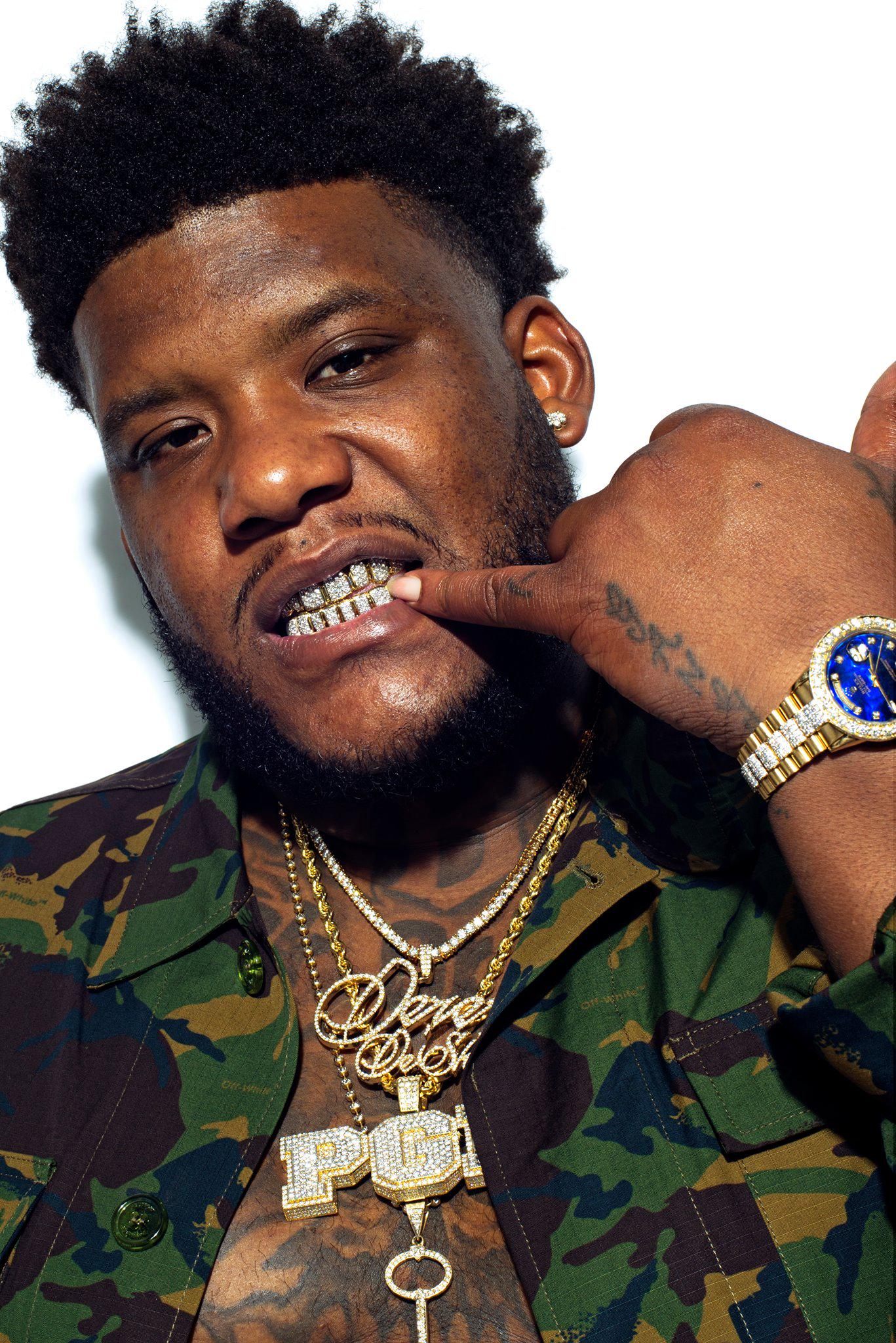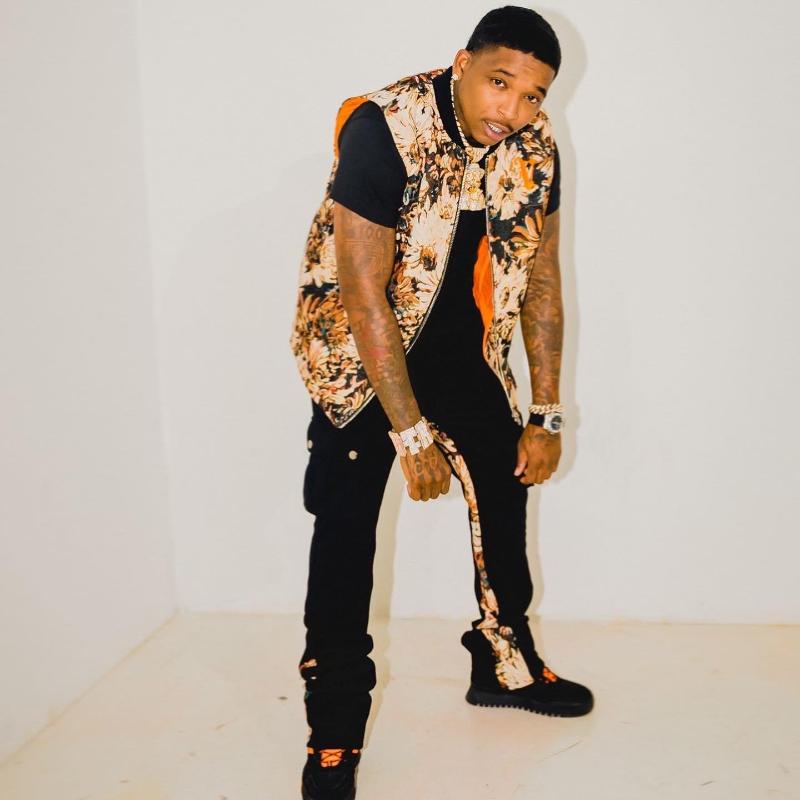
Ralo

Hip Hop
Contemporary Hip Hop
Trap
 Viberate Rank: 19070
 Viberate Rank: 19070
 Monthly ListenersFollowers
 Subscribers
 Followers
 Followers
 FansTop Spotify Songs
| Track | 7-Day Streams | |
|---|---|---|
1 | 11.77K | |
2 | 3.90K | |
3 | 3.77K | |
4 | 3.73K | |
5 | 3.36K |
Top YouTube Videos| Video | 7-Day Views | |
|---|---|---|
1 | 14.44K | |
2 | 8.34K | |
3 | 6.42K | |
4 | 6.17K | |
5 | 5.75K |
Monthly ListenersFeatured in Playlists| Playlist | Followers | |
|---|---|---|
1 | Yb bangers😩🔥🔥 4ktslay💚 | 225.67K |
2 | Best of Lil Durk Džemal | 80.02K |
3 | Best Trap Songs Of All Time Mark Lunn | 34.33K |
4 | Gangster Rap Workout Merovingin | 32.14K |
5 |  Lil Baby Unreleased & Leaks 2026 S4mnog | 31.12K |
Audience| City | Monthly Listeners | |
|---|---|---|
1 | | 2.78K |
2 | | 2.05K |
3 | | 1.91K |
4 | | 1.40K |
5 | | 1.28K |
See full performance history, audience data, playlist activity, rankings, comparisons, and more in Viberate music analytics. Start with a free trial, then continue with a paid plan.
Ralo’s Spotify BioAtlanta rapper Ralo grew up with no intention of pursuing music. Born Terrell Davis in 1995, he spent the early part of his life in one of Atlanta's most dangerous and impoverished neighborhoods, struggling to raise money to support his family by means legal and otherwise. Davis was arrested often in his youth and served two serious stints in prison, abandoning an attempt at becoming an electrician before deciding to turn to music in 2015. Taking the name Ralo (or sometimes Ralo Famgoon), he called on Atlanta superstar Future to guest on his song "Can't Lie," immediately gaining local acclaim as well as more widespread notice. Ralo focused on a series of mixtapes, including 2015's Famerican Gangster and Diary of the Streets, both of which had sequels in the coming years.
As he continued making new music, he would collaborate with celebrated rappers like Young Thug, Rich Homie Quan, 21 Savage, and others, while also forming affiliations with Cash Money Records and Gucci Mane's 1017… Eskimo Records imprint. In February 2018, Ralo released a third volume of his Diary of the Streets mixtape series, recruiting Young Thug, YFN Lucci, YoungBoy Never Broke Again, Young Dolph, Gucci Mane, Future, and more; it reached number eight on Billboard's Heatseekers Albums chart. Later that year, he issued Conspiracy, with guests including YFN Lucci, Shy Glizzy, and Young Scooter. In 2019, he returned with the Free Ralo mixtape, featuring Trouble, Shy Glizzy, Young Dolph, Derez De'Shon, and others. ~ Fred Thomas, Rovi
Viberate is a music analytics platform built for A&Rs, artist managers, labels, booking agents, marketers, and artists.
It helps music professionals track artist growth, analyze audience data, monitor playlist activity, compare artists, follow song performance, and identify opportunities across the music market.
Public artist pages provide a free preview of selected artist data. Paid plans provide access to deeper analytics, historical data, charts, comparisons, playlist tools, exports, alerts, reports, and additional professional features.
Yes. Public Viberate artist pages provide selected artist analytics and music data for free.
Viberate also offers a 7-day free trial of the full platform. A credit card is required to start the trial. The trial includes access to the complete product so users can test deeper artist analytics, historical views, playlist insights, comparisons, charts, exports, alerts, and reporting features before choosing a paid plan.
Viberate provides artist analytics across streaming, playlists, social media, video, radio airplay, songs, and audience markets.
Users can analyze Spotify performance, Spotify and Apple Music playlists, YouTube activity, TikTok and Instagram growth, radio spins, song performance, audience locations, demographics, rankings, and overall artist momentum.
Artist profiles also connect to music charts, similar artists, and comparison tools, helping users benchmark performance and evaluate artists in context.
Viberate updates key artist and track data daily.
For followed artists and tracks, selected data is refreshed multiple times per day. This helps teams monitor playlist changes, streaming movement, audience growth, releases, and campaign performance with more current data.
Update frequency can vary depending on the metric and data source.
Yes. Viberate lets users compare up to five artists side by side across streaming, social media, audience, and engagement metrics.
Users can compare fanbase growth, audience demographics, locations, Spotify performance, social metrics, and other artist data over selected time periods.
Artist comparison can be used for A&R scouting, benchmarking, booking decisions, campaign planning, and evaluating artists with similar audiences or market positions.