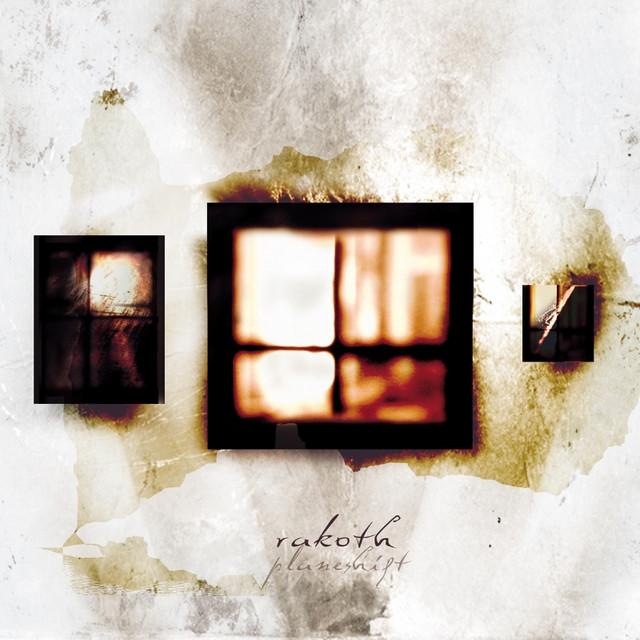
Rakoth

Metal
Black Metal
Doom/Sludge Metal
Folk Metal
 Viberate Rank: 685714
 Viberate Rank: 685714
 Monthly ListenersFollowers
 Subscribers
 Followers
 Followers
 FansTop Spotify Songs
| Track | 7-Day Streams | |
|---|---|---|
1 | 10 | |
2 | 6 | |
3 | 5 | |
4 | 3 | |
5 | 2 |
Top YouTube VideosMonthly ListenersFeatured in PlaylistsAudience| City | Monthly Listeners | |
|---|---|---|
1 |  | 4 |
2 |  | 3 |
See full performance history, audience data, playlist activity, rankings, comparisons, and more in Viberate music analytics. Start with a free trial, then continue with a paid plan.
Rakoth’s Spotify BioNamed after the "Master of Darkness" in Nick Perumov's Chronicle of Hjorvard, Russia's Rakoth formed in 1996 and began playing literary black metal infused with J.R.R. Tolkein-inspired folk mysticism. Unlike most European black metal bands, Rakoth does not simply unleash an album-long rant of blistering riffs and evil vocals. The group's music is more dynamic, and by being so, creates a multi-hued Middle Earth filled with lore and legend, light and dark.
Rakoth dealt with several line-up changes before settling on Rustam on keyboards, P. Noir on vocals and flute, Dy on guitars and Leshy on drums. Rakoth's first demo Tales of the Worlds Unreal was recorded in Rustam's garage and distributed by the band in August of 1997. Their second demo, Dark Ages Chronicle, was recorded live in four hours later that year. In October, drummer Leshy suddenly left the band and was never replaced.
By February of 1998, positive reviews for The Dark Ages Chronicle began to appear, and several Eastern… European distributors were able to sell the tape in large quantities. The group went in the studio to record their first full-length, Superstatic Equilibrium, which was released to critical acclaim. Rakoth signed to Italian label Code666 and recorded Planeshift in 1999. Upon it's release in 2000, the album was given perfect scores by Holland's Aardshok Magazine and Norway's Scream Magazine. The record truly confounds expectations of metal, entirely reframes the genre and proves Rakoth closer kin to Current 93 and Godspeed You Black Emperor! than many metal groups.
In 2001, the Code666 released Jabberworks, a collection of re-recorded versions of the band's old demo tracks. In late 2001, Rakoth signed a four-album deal with metal giants, Earache Records. The label promptly reissued Rakoth's phenomenal Planeshift to American audiences in July of 2002. ~ Charles Spano, Rovi
Viberate is a music analytics platform built for A&Rs, artist managers, labels, booking agents, marketers, and artists.
It helps music professionals track artist growth, analyze audience data, monitor playlist activity, compare artists, follow song performance, and identify opportunities across the music market.
Public artist pages provide a free preview of selected artist data. Paid plans provide access to deeper analytics, historical data, charts, comparisons, playlist tools, exports, alerts, reports, and additional professional features.
Yes. Public Viberate artist pages provide selected artist analytics and music data for free.
Viberate also offers a 7-day free trial of the full platform. A credit card is required to start the trial. The trial includes access to the complete product so users can test deeper artist analytics, historical views, playlist insights, comparisons, charts, exports, alerts, and reporting features before choosing a paid plan.
Viberate provides artist analytics across streaming, playlists, social media, video, radio airplay, songs, and audience markets.
Users can analyze Spotify performance, Spotify and Apple Music playlists, YouTube activity, TikTok and Instagram growth, radio spins, song performance, audience locations, demographics, rankings, and overall artist momentum.
Artist profiles also connect to music charts, similar artists, and comparison tools, helping users benchmark performance and evaluate artists in context.
Viberate updates key artist and track data daily.
For followed artists and tracks, selected data is refreshed multiple times per day. This helps teams monitor playlist changes, streaming movement, audience growth, releases, and campaign performance with more current data.
Update frequency can vary depending on the metric and data source.
Yes. Viberate lets users compare up to five artists side by side across streaming, social media, audience, and engagement metrics.
Users can compare fanbase growth, audience demographics, locations, Spotify performance, social metrics, and other artist data over selected time periods.
Artist comparison can be used for A&R scouting, benchmarking, booking decisions, campaign planning, and evaluating artists with similar audiences or market positions.