Raj Kapoor

Pop
Indian Pop
 Viberate Rank: 140644
 Viberate Rank: 140644
 Monthly ListenersFollowers
 Subscribers
 Followers
 Followers
 FansTop Spotify Songs
| Track | 7-Day Streams | |
|---|---|---|
1 | 793 | |
2 | 130 | |
3 | 95 | |
4 | 56 | |
5 | 47 |
Top YouTube VideosMonthly ListenersFeatured in Playlists| Playlist | Followers | |
|---|---|---|
1 | Tamil Comedy RockAnanthRoll | 1.40K |
2 | BEST EVERGREEN BOLLYWOOD HINDI OLD SONGS INDIAN OLDIES gokuliyer1 | 1.32K |
Audience| City | Monthly Listeners | |
|---|---|---|
1 | | 2.45K |
2 | | 2.09K |
3 | | 1.97K |
4 | | 1.60K |
5 | | 1.05K |
See full performance history, audience data, playlist activity, rankings, comparisons, and more in Viberate music analytics. Start with a free trial, then continue with a paid plan.
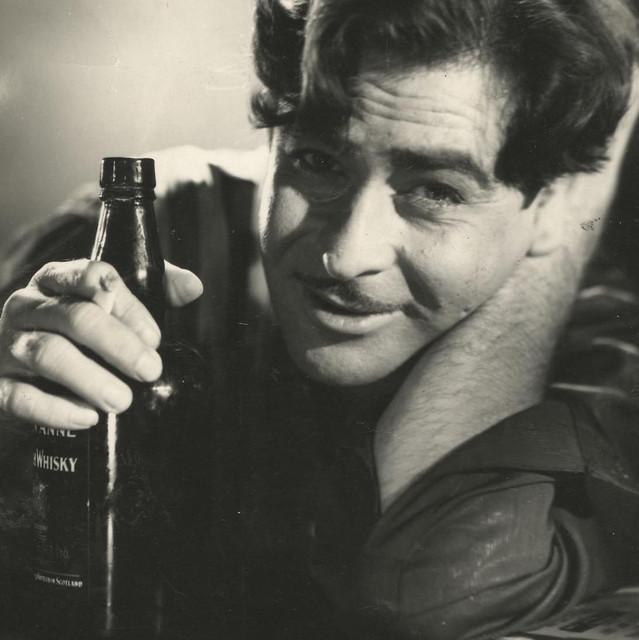
Raj Kapoor’s Spotify BioOne of the most influential actors and directors of Indian films, Raj Kapoor had a master's touch for successfully incorporating music into his movies. Utilizing the talents of playback singer Mukesh, Kapoor combined the musical traditions of India with Western influences. Kapoor's song "Mera Joota Hai Japani" remains an unofficial anthem of India and continues to be sung as far away as the former Soviet Union.
The son of a top-ranked actor Prithviraj Kapoor, Kapoor grew up surrounded by Indian film. After failing his secondary exams, he began his career as assistant to such leading Indian directors as Kidar Sharma, Amiya Chakravarty, and Sushil Majumdar at the Bombay Talkies Studio. Making his film debut at the age of 11, Kapoor acted and sang in many plays at the Prithvi Theater. In 1948, he opened his own studio, RK Films, directing, producing, and acting in the studio's first movie, Aag (Fire). The film marked the first time he worked with actress Nargis. For the next decade, they… continued to work together and enjoyed a much-publicized romantic involvement. When they broke up and Nargis married Sunil Dutt, Kapoor went through a long period of heartbreak. Although he was subsequently involved with actresses Vyjayanthimala and Lata Mangeshkar, and fathered a son, he never married. Kapoor starred in numerous box office hits including Barsaat in 1949, Shree 420 in 1955, and Sangam, his first in color, in 1964. His string of successes came to an abrupt end, however, when his 1970 movie, Mera Naam Joker, a three-hour-long social comedy that had taken nine years to film, was a commercial flop. Although he continued to act in his films, Mera Naam Joker was his last outing in a leading role. Beginning with his 1973 film Bobby, a tale of teenage love, Kapoor's movies reflected sexually explicit views. His final film, Ram Teri Ganga Maili, was released in 1985. ~ Craig Harris, Rovi
Viberate is a music analytics platform built for A&Rs, artist managers, labels, booking agents, marketers, and artists.
It helps music professionals track artist growth, analyze audience data, monitor playlist activity, compare artists, follow song performance, and identify opportunities across the music market.
Public artist pages provide a free preview of selected artist data. Paid plans provide access to deeper analytics, historical data, charts, comparisons, playlist tools, exports, alerts, reports, and additional professional features.
Yes. Public Viberate artist pages provide selected artist analytics and music data for free.
Viberate also offers a 7-day free trial of the full platform. A credit card is required to start the trial. The trial includes access to the complete product so users can test deeper artist analytics, historical views, playlist insights, comparisons, charts, exports, alerts, and reporting features before choosing a paid plan.
Viberate provides artist analytics across streaming, playlists, social media, video, radio airplay, songs, and audience markets.
Users can analyze Spotify performance, Spotify and Apple Music playlists, YouTube activity, TikTok and Instagram growth, radio spins, song performance, audience locations, demographics, rankings, and overall artist momentum.
Artist profiles also connect to music charts, similar artists, and comparison tools, helping users benchmark performance and evaluate artists in context.
Viberate updates key artist and track data daily.
For followed artists and tracks, selected data is refreshed multiple times per day. This helps teams monitor playlist changes, streaming movement, audience growth, releases, and campaign performance with more current data.
Update frequency can vary depending on the metric and data source.
Yes. Viberate lets users compare up to five artists side by side across streaming, social media, audience, and engagement metrics.
Users can compare fanbase growth, audience demographics, locations, Spotify performance, social metrics, and other artist data over selected time periods.
Artist comparison can be used for A&R scouting, benchmarking, booking decisions, campaign planning, and evaluating artists with similar audiences or market positions.