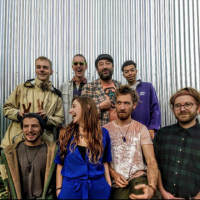
Raffy Bushman

Classical
Classical Crossover
Nu Jazz
 Viberate Rank: 195998
 Viberate Rank: 195998
 Monthly ListenersFollowers
 Subscribers
 Followers
 Followers
 FansTop Spotify Songs
| Track | 7-Day Streams | |
|---|---|---|
1 | 8.60K | |
2 | 7.07K | |
3 | 4.78K | |
4 | 2.03K | |
5 | 1.62K |
Top YouTube VideosMonthly ListenersFeatured in Playlists| Playlist | Followers | |
|---|---|---|
1 |  State of Jazz Spotify | 1.05M |
2 |  Jazz-Funk Spotify | 425.89K |
3 |  Jazz UK Spotify | 339.04K |
4 |  Fresh Finds Jazz Spotify | 247.62K |
5 |  Lounge Jazz Spotify | 147.34K |
Audience| City | Monthly Listeners | |
|---|---|---|
1 | | 1.00K |
2 |  | 488 |
3 |  | 435 |
4 | | 425 |
5 | | 373 |
See full performance history, audience data, playlist activity, rankings, comparisons, and more in Viberate music analytics. Start with a free trial, then continue with a paid plan.
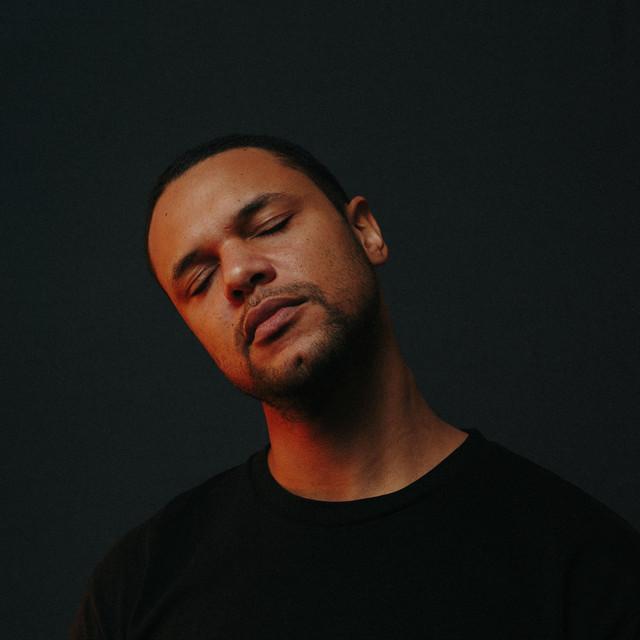
Raffy Bushman’s Spotify BioPianist, Cellist and Composer Raffy Bushman has honed his craft alongside like-minded musicians over the years as musical director of Unit 31, and founder of The NuShape Orchestra. Raffy's music tells the honest and personal
story of his lifelong musical journey through Hip Hop, Jazz, Classical, and Gospel, all major voices contributing to his own individual sound.
His first two EPs, 2020s 'Look Up' and 2021's 'Beginners Mind' were supported by Gilles Peterson and Mary
Anne Hobbs on BBC R6, Jamie Cullum on BBC Radio 2, several DJs on Worldwide FM and Jazz
FM, as well as a strong editorial backing on Spotify via State Of Jazz, All New Jazz, Jazz UK and more.
On his new EP, the musician has dropped the piano to focus on playing cello in a string quintet supported by a modern rhythm section. The music blends the open improvisation of jazz with classical elements alongside a deep and profound awareness of hip hop culture.
Viberate is a music analytics platform built for A&Rs, artist managers, labels, booking agents, marketers, and artists.
It helps music professionals track artist growth, analyze audience data, monitor playlist activity, compare artists, follow song performance, and identify opportunities across the music market.
Public artist pages provide a free preview of selected artist data. Paid plans provide access to deeper analytics, historical data, charts, comparisons, playlist tools, exports, alerts, reports, and additional professional features.
Yes. Public Viberate artist pages provide selected artist analytics and music data for free.
Viberate also offers a 7-day free trial of the full platform. A credit card is required to start the trial. The trial includes access to the complete product so users can test deeper artist analytics, historical views, playlist insights, comparisons, charts, exports, alerts, and reporting features before choosing a paid plan.
Viberate provides artist analytics across streaming, playlists, social media, video, radio airplay, songs, and audience markets.
Users can analyze Spotify performance, Spotify and Apple Music playlists, YouTube activity, TikTok and Instagram growth, radio spins, song performance, audience locations, demographics, rankings, and overall artist momentum.
Artist profiles also connect to music charts, similar artists, and comparison tools, helping users benchmark performance and evaluate artists in context.
Viberate updates key artist and track data daily.
For followed artists and tracks, selected data is refreshed multiple times per day. This helps teams monitor playlist changes, streaming movement, audience growth, releases, and campaign performance with more current data.
Update frequency can vary depending on the metric and data source.
Yes. Viberate lets users compare up to five artists side by side across streaming, social media, audience, and engagement metrics.
Users can compare fanbase growth, audience demographics, locations, Spotify performance, social metrics, and other artist data over selected time periods.
Artist comparison can be used for A&R scouting, benchmarking, booking decisions, campaign planning, and evaluating artists with similar audiences or market positions.