Rad Stacey

Rock
Alternative Rock
Indie Pop
 Viberate Rank: 701908
 Viberate Rank: 701908
 Monthly ListenersFollowers
 Subscribers
 Followers
 Followers
 FansTop Spotify Songs
| Track | 7-Day Streams | |
|---|---|---|
1 | 8 | |
2 | 5 | |
3 | 5 | |
4 | 3 | |
5 | 2 |
Top YouTube VideosMonthly ListenersFeatured in Playlists| Playlist | Followers | |
|---|---|---|
1 |  New Pop Punk & Emo Tracks Jesea Lee | 15.55K |
2 |  New Emo Tracks Jesea Lee | 6.63K |
3 |  All New Punk Rock 2026 (PUNKERS HUB) PUNKLOID | 2.22K |
Audience| City | Monthly Listeners | |
|---|---|---|
1 | | 12 |
See full performance history, audience data, playlist activity, rankings, comparisons, and more in Viberate music analytics. Start with a free trial, then continue with a paid plan.
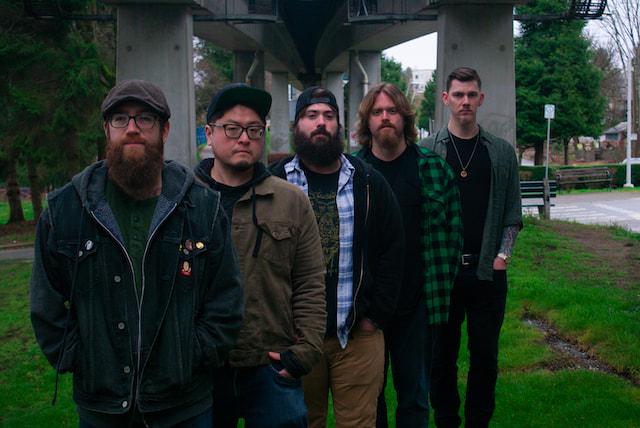
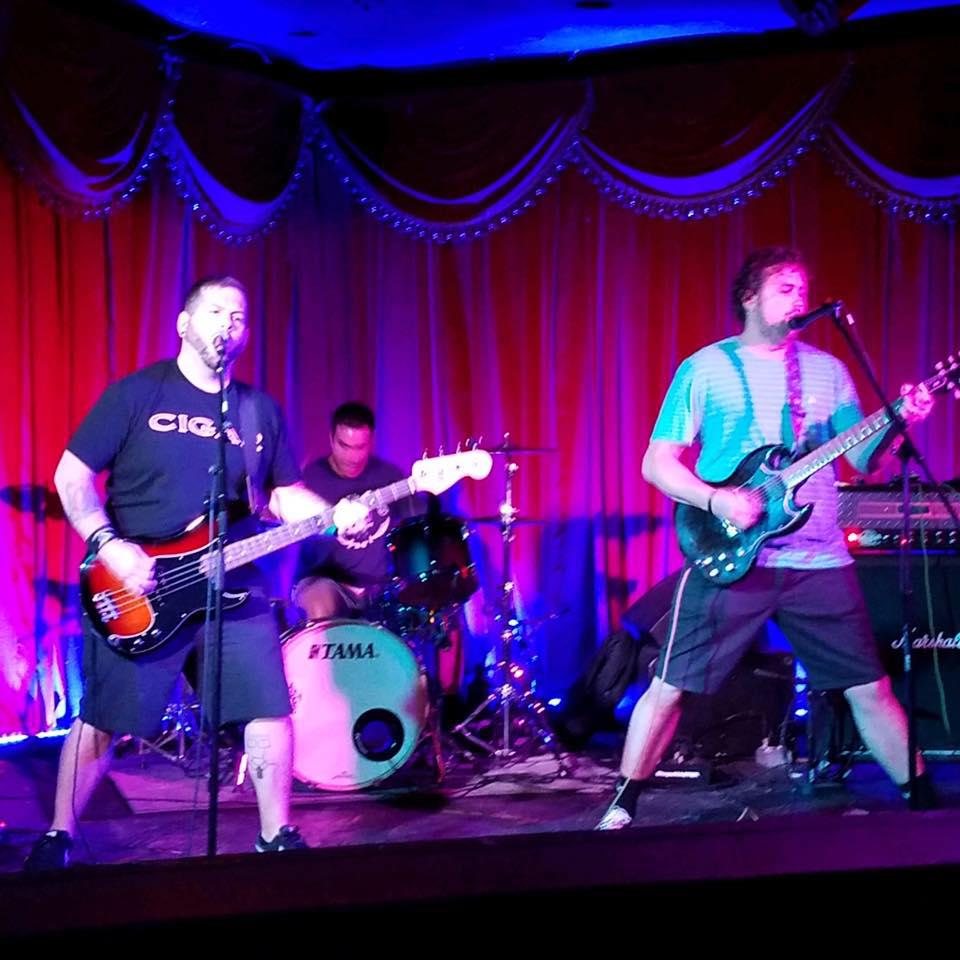
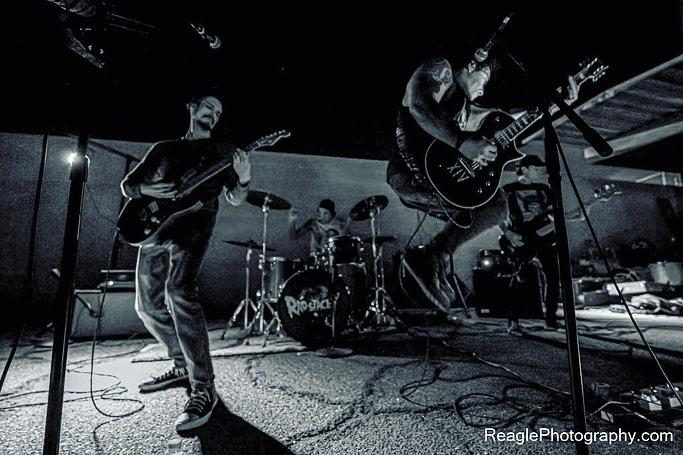
Rad Stacey’s Spotify BioSince 2020 the boys in Rad Stacey genre bend with high-energy songs that elicit a hard rock feel with a Pop Punk tint. With heavy influences from punk, hardcore, pop, and hip-hop, Rad Stacey serves up the best of the unexpected.
Rad Stacey was founded by bassist and singer Ian Heirs and guitarist and vocalist Joey Hudson. Originally Joey was on drums and long time friend and other founding member Greyson Britt was on guitar. After the release of their debut EP Greyson left the band on good terms and Joey moved up to fill the role and take on co-fronting duties. The guys picked up Joey’s older brother Toby Hudson on drums and recruited friend and roommate of Joey’s, Alijah Williams on lead guitar. The boys have been inseparable and unbreakable since.
Rad Stacey released their inaugural EP, “Shhh…Tell ‘Em All” in 2020. It’s an expansive, uplifting collection of tracks that takes shape with its signature crunchy guitar riffs and high-energy beats. The guys followed it up with singles Night… Traffic (2021) and Still Here (2022). After some extensive performing and line-up adjustments the band released their latest EP Vibe Rider (2024)to great reception. Rad Stacey returned to their punk rock roots with the single “Fallin’ Off” (2025), a white knuckle four on the floor burner with bass lines reminiscent of late 90s skate punk. With a diverse set and insatiable hunger for the stage and studio Rad Stacey is a promising new voice in the scene.
Viberate is a music analytics platform built for A&Rs, artist managers, labels, booking agents, marketers, and artists.
It helps music professionals track artist growth, analyze audience data, monitor playlist activity, compare artists, follow song performance, and identify opportunities across the music market.
Public artist pages provide a free preview of selected artist data. Paid plans provide access to deeper analytics, historical data, charts, comparisons, playlist tools, exports, alerts, reports, and additional professional features.
Yes. Public Viberate artist pages provide selected artist analytics and music data for free.
Viberate also offers a 7-day free trial of the full platform. A credit card is required to start the trial. The trial includes access to the complete product so users can test deeper artist analytics, historical views, playlist insights, comparisons, charts, exports, alerts, and reporting features before choosing a paid plan.
Viberate provides artist analytics across streaming, playlists, social media, video, radio airplay, songs, and audience markets.
Users can analyze Spotify performance, Spotify and Apple Music playlists, YouTube activity, TikTok and Instagram growth, radio spins, song performance, audience locations, demographics, rankings, and overall artist momentum.
Artist profiles also connect to music charts, similar artists, and comparison tools, helping users benchmark performance and evaluate artists in context.
Viberate updates key artist and track data daily.
For followed artists and tracks, selected data is refreshed multiple times per day. This helps teams monitor playlist changes, streaming movement, audience growth, releases, and campaign performance with more current data.
Update frequency can vary depending on the metric and data source.
Yes. Viberate lets users compare up to five artists side by side across streaming, social media, audience, and engagement metrics.
Users can compare fanbase growth, audience demographics, locations, Spotify performance, social metrics, and other artist data over selected time periods.
Artist comparison can be used for A&R scouting, benchmarking, booking decisions, campaign planning, and evaluating artists with similar audiences or market positions.