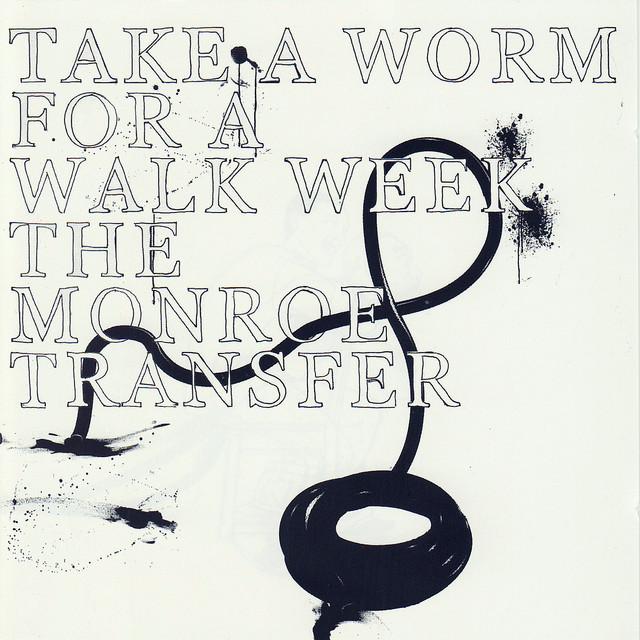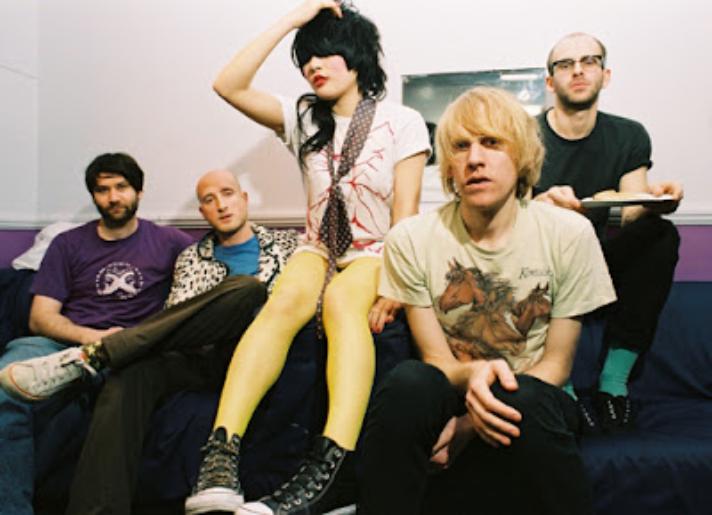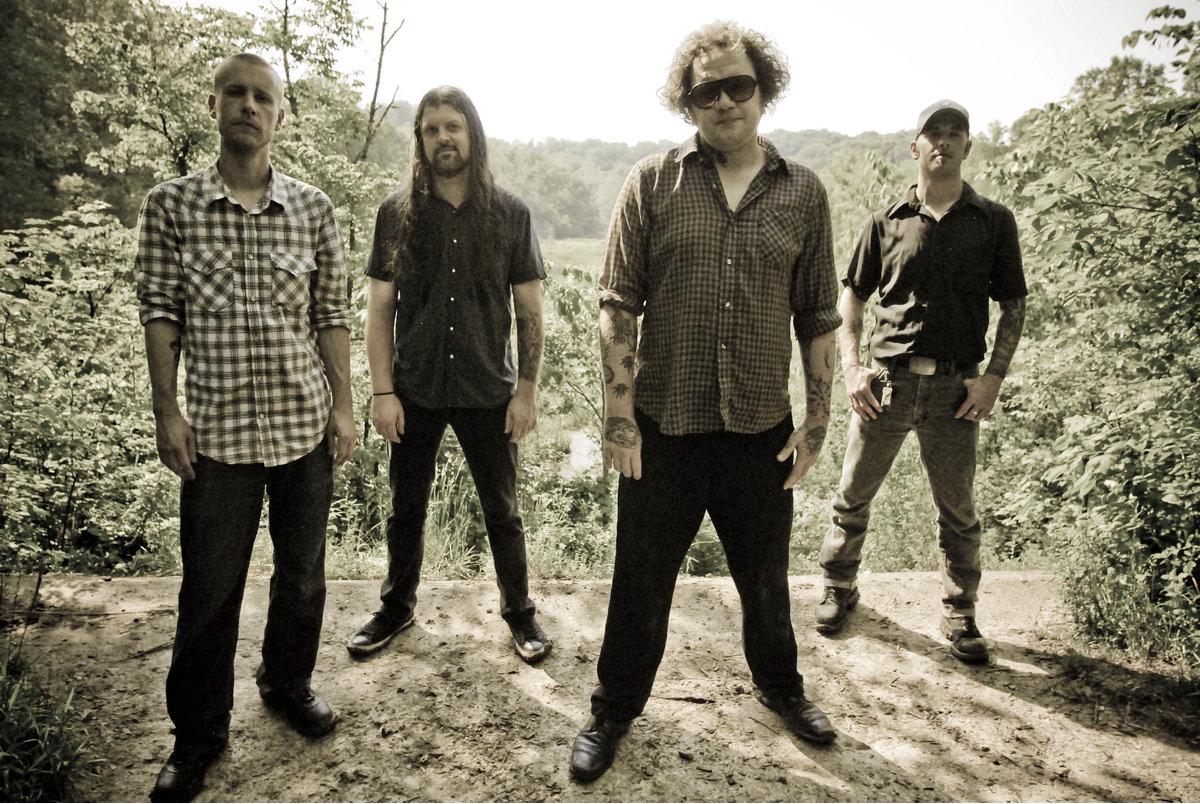
Racebannon

Punk
Hardcore Punk
Noise Rock
Hard Rock
 Viberate Rank: 527136
 Viberate Rank: 527136
 Monthly ListenersFollowers
 Subscribers
 Followers
 Followers
 FansTop Spotify Songs
| Track | 7-Day Streams | |
|---|---|---|
1 | 72 | |
2 | 55 | |
3 | 33 | |
4 | 30 | |
5 | 24 |
Top YouTube VideosMonthly ListenersFeatured in Playlists| Playlist | Followers | |
|---|---|---|
1 |  Screamo 1992-2006 sylvia | 5.01K |
2 | 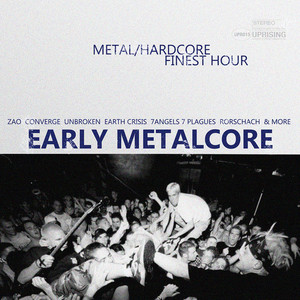 Early Metalcore (1989 - 2002) Antonio Leal Filho | 3.41K |
3 |  SASSCORE YoKud | 2.58K |
Audience| City | Monthly Listeners | |
|---|---|---|
1 | | 21 |
2 | | 11 |
3 | | 9 |
4 | | 8 |
5 | | 7 |
See full performance history, audience data, playlist activity, rankings, comparisons, and more in Viberate music analytics. Start with a free trial, then continue with a paid plan.
Racebannon’s Spotify BioRacebannon fits amongst the extreme noise-laden hardcore bands with a cult-like following, their vocalist Michael Anderson's spastically insane vocals being the primary instrument of the band's notoriety, as well as their penchant for destroying PAs wherever they go due to their explosive wall of noise and abrasive guitar sound familiar to the hardcore scene. As the lyricist as well as the vocalist, Anderson's words can often be seen as obscure and ranting, but his capability of expressing frustration which parallels the music can't be understated. Utilizing turntables in a noise-creating role as opposed to true DJ-ing, as well as a traditional rock lineup, Racebannon set themselves apart from the pack of underground hardcore and metalcore bands. The band has caught many critics and traditional hardcore fans by surprise with their creative take on a genre which can be known for its redundancy and an insight into heavy music not recalled since the days of Captain Beefheart.
Formed from… the remains of various local bands in Indianapolis in 1996 by vocalist Anderson and guitarist James Bauman, the band solidified a lineup and hit the road and the studio in 1998, recording their first of many releases in the 7" format. Outgrowing the stagnant Indianapolis hardcore scene and seeking a more creative environment, the band followed Bauman to Bloomington, IN, home of Indiana University, a year after he started classes. After recording a cornucopia of hard to find vinyl releases on numerous indie labels, which quickly became collector's items, the band inked a deal with hometown record company Secretly Canadian in 2001. Primarily known as a singer/songwriter and "artsy" label, Racebannon quickly proved a break in the mold for Secretly Canadian. That year saw the release of In the Grips of the Light, their first true full-length release, recorded with Mike Mogis of Lullaby for the Working Class fame. Marking yet another odd relationship (as Mogis heretofore had been most notably known as producer for such acts as Bright Eyes and labelmates Songs: Ohia), Mogis' production skills were nevertheless a capable match for the energetic act, and their eight-song debut was received with much praise, causing Racebannon to be named as one of the "100 Bands to Watch in 2002" by Alternative Press. 2002 saw the band release their self-proclaimed "rock opera", a seven-song album entitled Satan's Kickin' Yr Dick In, which was once again produced by Mogis. This album told the legendary tale of a person selling their soul to the Devil, but told using a storytelling method only Racebannon could truly weave. ~ Kurt Morris, Rovi
Viberate is a music analytics platform built for A&Rs, artist managers, labels, booking agents, marketers, and artists.
It helps music professionals track artist growth, analyze audience data, monitor playlist activity, compare artists, follow song performance, and identify opportunities across the music market.
Public artist pages provide a free preview of selected artist data. Paid plans provide access to deeper analytics, historical data, charts, comparisons, playlist tools, exports, alerts, reports, and additional professional features.
Yes. Public Viberate artist pages provide selected artist analytics and music data for free.
Viberate also offers a 7-day free trial of the full platform. A credit card is required to start the trial. The trial includes access to the complete product so users can test deeper artist analytics, historical views, playlist insights, comparisons, charts, exports, alerts, and reporting features before choosing a paid plan.
Viberate provides artist analytics across streaming, playlists, social media, video, radio airplay, songs, and audience markets.
Users can analyze Spotify performance, Spotify and Apple Music playlists, YouTube activity, TikTok and Instagram growth, radio spins, song performance, audience locations, demographics, rankings, and overall artist momentum.
Artist profiles also connect to music charts, similar artists, and comparison tools, helping users benchmark performance and evaluate artists in context.
Viberate updates key artist and track data daily.
For followed artists and tracks, selected data is refreshed multiple times per day. This helps teams monitor playlist changes, streaming movement, audience growth, releases, and campaign performance with more current data.
Update frequency can vary depending on the metric and data source.
Yes. Viberate lets users compare up to five artists side by side across streaming, social media, audience, and engagement metrics.
Users can compare fanbase growth, audience demographics, locations, Spotify performance, social metrics, and other artist data over selected time periods.
Artist comparison can be used for A&R scouting, benchmarking, booking decisions, campaign planning, and evaluating artists with similar audiences or market positions.