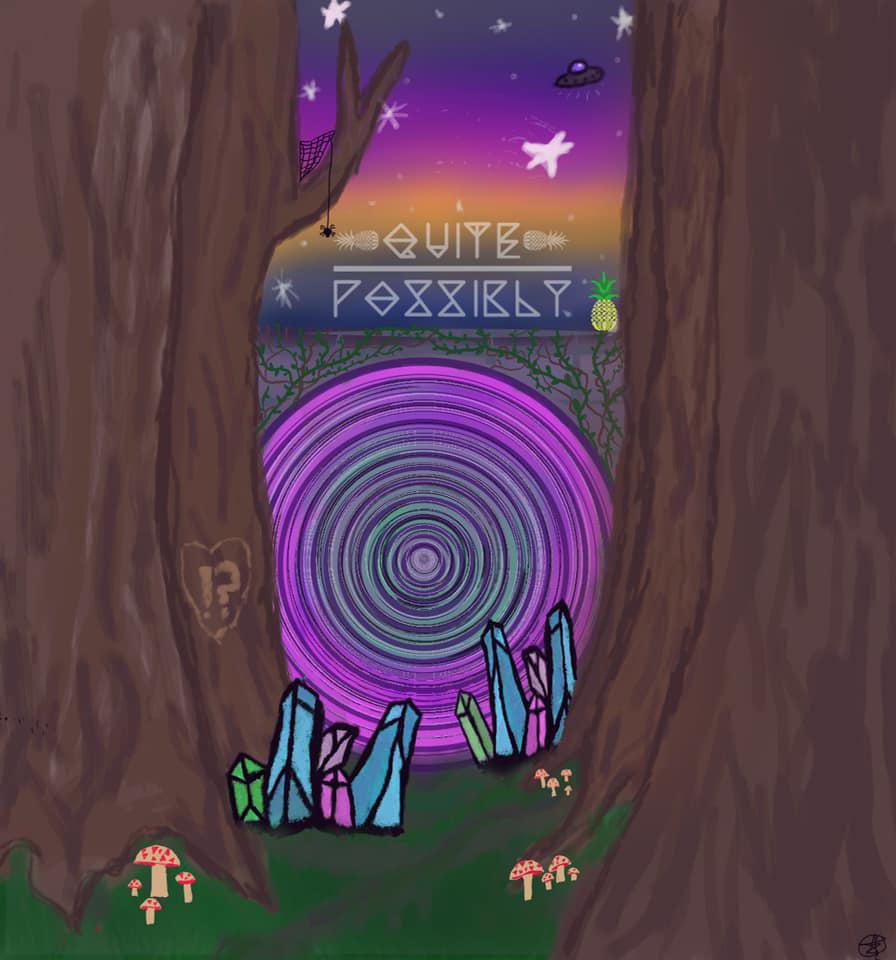
Quite Possibly

Electronic
Trap/Future Bass
Dubstep
 Viberate Rank: 417537
 Viberate Rank: 417537
 Monthly ListenersFollowers
 Subscribers
 Followers
 Followers
 FansTop Spotify Songs
| Track | 7-Day Streams | |
|---|---|---|
1 | 1.00K | |
2 | 377 | |
3 | 170 | |
4 | 136 | |
5 | 33 |
Top YouTube VideosMonthly ListenersFeatured in Playlists| Playlist | Followers | |
|---|---|---|
1 |  Dirtybird Campout X Northern Nights Official Playlist 2026 DIRTYBIRD | 7.28K |
2 | LeBlunts Wubz Sami LeBlunt✨🪐 | 1.96K |
3 |  Spicy Bois 🌶🌶🌶 higherpov | 1.42K |
4 | Deep Minimal Dubstep ⛓️ Bobby Fohrenbach | 1.27K |
5 | Dark Dub🏴 Manulvrz | 1.07K |
Audience| City | Monthly Listeners | |
|---|---|---|
1 | | 219 |
2 | | 96 |
3 | | 69 |
4 | | 69 |
5 | | 59 |
See full performance history, audience data, playlist activity, rankings, comparisons, and more in Viberate music analytics. Start with a free trial, then continue with a paid plan.
Quite Possibly’s Spotify BioOi!! Quite Possibly’s diverse, yet signature blend of outer-worldly bass and hip-hop has shuttled him to the forefront of the bass music scene nation-wide. With a fortified background in audio engineering, live instrumentation, and love for electronic music you can hear the quality of sound that makes his music a force to be reckoned with. His spacey and obscure style is nothing but genuine, as his weird, quirky productions, and on-stage antics truly separate all his performances from other artists in his community.
Along his journey, Quite Possibly has sold out headlining performances at Denver’s bass music hubs The Black Box and Cervantes Ballroom, as well as headlining The Riot Room in Kansas City, MO. He has played alongside top tier acts including Yheti, Beak Nasty, MeSo, kLL.SMTH, Duffrey, Dalek One, and many more, sporting festival performances at Backwoods Music Festival 2019, Soundhaven 2021, and Bigfoot Electro 2022.
You can find Quite Possibly’s music self-released and… collaborations released through his producer family on all platforms, as well as label releases on Spicy Bois, Headbang Society, Wubaholics, Mean Mug Music, Earcrafted, The Widdfam, Rapture Studios, No Hype Music, & more.
Viberate is a music analytics platform built for A&Rs, artist managers, labels, booking agents, marketers, and artists.
It helps music professionals track artist growth, analyze audience data, monitor playlist activity, compare artists, follow song performance, and identify opportunities across the music market.
Public artist pages provide a free preview of selected artist data. Paid plans provide access to deeper analytics, historical data, charts, comparisons, playlist tools, exports, alerts, reports, and additional professional features.
Yes. Public Viberate artist pages provide selected artist analytics and music data for free.
Viberate also offers a 7-day free trial of the full platform. A credit card is required to start the trial. The trial includes access to the complete product so users can test deeper artist analytics, historical views, playlist insights, comparisons, charts, exports, alerts, and reporting features before choosing a paid plan.
Viberate provides artist analytics across streaming, playlists, social media, video, radio airplay, songs, and audience markets.
Users can analyze Spotify performance, Spotify and Apple Music playlists, YouTube activity, TikTok and Instagram growth, radio spins, song performance, audience locations, demographics, rankings, and overall artist momentum.
Artist profiles also connect to music charts, similar artists, and comparison tools, helping users benchmark performance and evaluate artists in context.
Viberate updates key artist and track data daily.
For followed artists and tracks, selected data is refreshed multiple times per day. This helps teams monitor playlist changes, streaming movement, audience growth, releases, and campaign performance with more current data.
Update frequency can vary depending on the metric and data source.
Yes. Viberate lets users compare up to five artists side by side across streaming, social media, audience, and engagement metrics.
Users can compare fanbase growth, audience demographics, locations, Spotify performance, social metrics, and other artist data over selected time periods.
Artist comparison can be used for A&R scouting, benchmarking, booking decisions, campaign planning, and evaluating artists with similar audiences or market positions.