Quinteto Violado

Latin
Samba
Forró
 Viberate Rank: 97644
 Viberate Rank: 97644
 Monthly ListenersFollowers
 Subscribers
 Followers
 Followers
 FansTop Spotify Songs
| Track | 7-Day Streams | |
|---|---|---|
1 | 4.98K | |
2 | 1.97K | |
3 | 1.25K | |
4 | 1.24K | |
5 | 1.08K |
Top YouTube VideosMonthly ListenersFeatured in Playlists| Playlist | Followers | |
|---|---|---|
1 |  Frevo & Folia Spotify | 25.90K |
2 |  Carnaval de Olinda/Recife Sarah Cristina | 18.32K |
3 |  Vaquejadas, toadas e aboios Álex Nogueira | 15.48K |
4 |  Hare Krishna 🙌 ISKCON (vaishnava mantras) @abhay.prasada AbhayPrasādaDās | 12.60K |
5 |  Renascer - Trilha Sonora Oficial Guzs Trilhas | 12.52K |
Audience| City | Monthly Listeners | |
|---|---|---|
1 | | 5.32K |
2 | | 2.48K |
3 | | 2.11K |
4 | | 2.04K |
5 | | 1.66K |
See full performance history, audience data, playlist activity, rankings, comparisons, and more in Viberate music analytics. Start with a free trial, then continue with a paid plan.
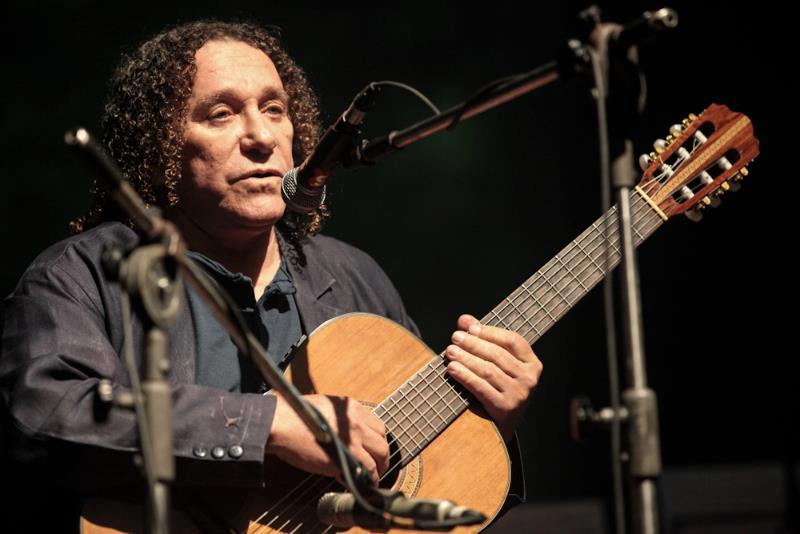
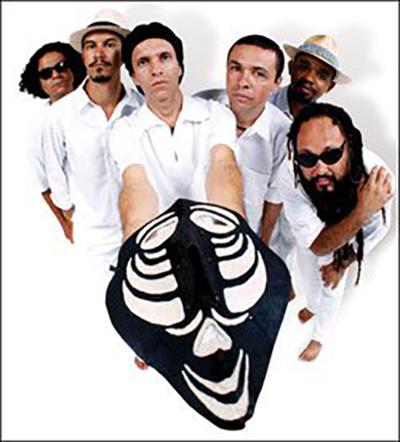
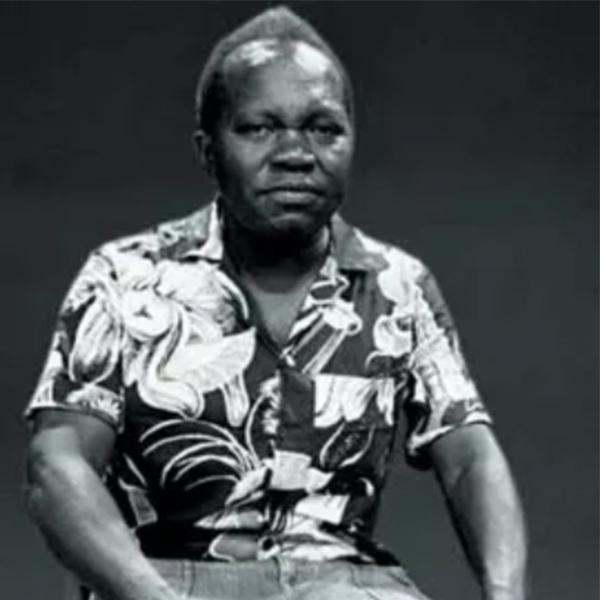
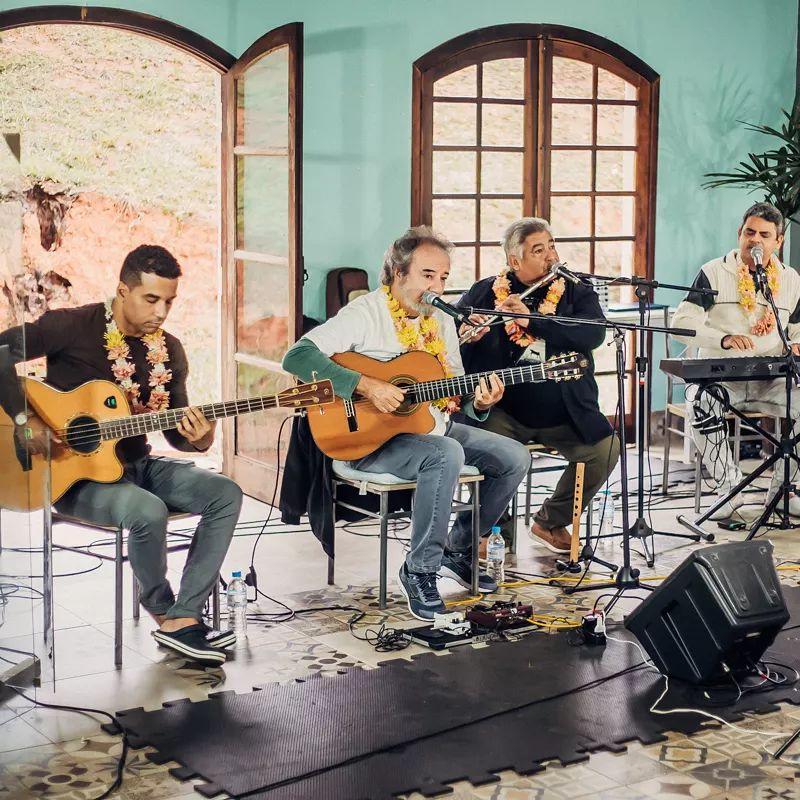
Quinteto Violado’s Spotify BioQuinteto Violado is a unique group in Brazil. With solid popular roots, they have survived for 30 years in the adverse situation of sensitive music. In that period, they recorded more than 30 national and six international albums, did 14 international tours or presentations, received several awards, and presented constant national performances.
In 1971, Brazilian popular music was divided: on one side, die-hard Brazilian-rooted composers such as Chico Buarque and Geraldo Vandré were fighting dictatorship with Brazilian grooves; on the other side, the Tropicalia was anxious to universalize Brazilian culture through pop/rock. Quinteto Violado emerged in the picture as a one of a kind group. They thoroughly researched the rich Northeast folklore, absorbing elements of pop culture, which permitted the group's further development even today.
The first formation was Toinho (born Antônio Alves in Garanhuns PE, in 1943), singer and double bassist; Marcelo (born Marcelo de Vasconcelos Cavalcante… Melo in Campina Grande PB, in 1946), singer/viola/violão; Fernando Filizola (born in Limoeiro PE, in 1947); Luciano (born Luciano Lira Pimentel in Limoeiro PE, in 1941), percussion; and Sando (born Alexandre Johnson dos Anjos in Garanhuns PE, in 1959), flutist.
Before adopting the consecrated denomination, the group did their first performance at the Universidade Federal de Pernambuco in 1970. In October 1971, they performed at the Teatro da Nova Jerusalém in Pernambuco and became known as "the violados" (neologism, "the ones who have the viola"). Adopting the nickname, they became Quinteto Violado. Soon they were presented to producer Roberto Santana (Phonogram) by Gilberto Gil, and in the next year did a show in São Paulo and recorded their first album, Quinteto Violado (Philips, 1972). In that year, they did a season in Rio (at the Monsieur Pujol nightclub and the restaurant Di Mônaco), and in Salvador BA (Teatro Vila Velha). In 1973, the show Berra Boi was appointed Best Show of the Year by the major magazine Veja. In Recife, they opened the show O Anjo Guerreiro Contra as Baronesas. Producer Marcus Pereira, the owner of the eponymous label, idealized research on Northeastern popular music, inviting them to it and to take the results of their findings on four albums of the Música Popular do Nordeste series, which were reissued in CD format. In 1974, the group received the Troféu Noel Rosa by APCA. In 1975, out of the success which they had with their first album in Japan (released there as Asa Branca) and A Feira, performed at the MIDEM (Mercado Internacional de Disco e Edição Musical) in France. They then performed at the Olympia (Paris) with Toquinho, Vinícius de Moraes, and Jorge Ben Jor. In the next year, they appeared in Trujillo and Lima (Peru) at the International Folklore Festival. In 1979, they participated in the Horizon Festival in Berlin, Germany. In 1980, the group received the Best Arrangement award at Rede Globo's festival MPB 80, for "Rio Capibaribe." In that year, they performed in Luanda, Angola's capital, on the Kalunga project with João do Vale, MPB-4, Dona Ivone Lara, Beth Carvalho, Martinho da Vila, Geraldo Azevedo, and others.
In 1982, they received the Prêmio Disco Visão from the phonographic producers. In 1986, they performed in Hamburg, Germany, at the Iberian-American Week, and in 1988, they toured Austria and 20 German cities. In the same year, they toured Cabo Verde and recorded a dedicated album (Ilhas de Cabo Verde), which was released there the next year during the Expo Brasil-Cabo Verde. In 1990, the formation changed: Toinho and Marcelo remained while Ciano (born Luciano Alves in Garanhuns PE, in 1959) joined. Also coming on as part of the band were Roberto Menescal (born Roberto Menescal Alves Medeiros in Garanhuns PE, in 1964), singer, percussionist; and Dudu (born Eduardo de Carvalho Alves, Toinho's son, in Recide PE, in 1970), keyboards/arrangements. In the same year, they toured six European countries in their longest international tour (two months): Germany, Austria, Belgium, Switzerland, Italy, and the former Yugoslavia. In 1991, they were awarded with the Merit Medal of Joaquim Nabuco Foundation, and in 1992, received the Prêmio Sharp as Best Regional Group. In 1993, Guinteto Violado was awarded by Rádio Clube Pernambuco. In 1994, they toured nine Portuguese cities and recorded the album Ópera do Bandoleiro. In the same year, they toured there again in other four cities. In 1996, they won another Sharp prize, this time for Best Regional Group. The representatives of the city of Recife awarded them with the Merit Medal José Mariano in 1997. The Recife City Museum awarded them with the Living Memory of Recife title and in 1998, they received the Cultural Trophy City of Recife. In 1999, they performed in Portugal at the V Festival de Sons e Sabores do Mundo and in the Semana de Pernambuco. In 2000, they released Farinha do Mesmo Saco, which was nominated for the Grammy award in two categories: Best Latin American Album and Best Latin American song ("Leão do Norte," by Lenine and Paulo César Pinheiro). ~ Alvaro Neder, Rovi
Viberate is a music analytics platform built for A&Rs, artist managers, labels, booking agents, marketers, and artists.
It helps music professionals track artist growth, analyze audience data, monitor playlist activity, compare artists, follow song performance, and identify opportunities across the music market.
Public artist pages provide a free preview of selected artist data. Paid plans provide access to deeper analytics, historical data, charts, comparisons, playlist tools, exports, alerts, reports, and additional professional features.
Yes. Public Viberate artist pages provide selected artist analytics and music data for free.
Viberate also offers a 7-day free trial of the full platform. A credit card is required to start the trial. The trial includes access to the complete product so users can test deeper artist analytics, historical views, playlist insights, comparisons, charts, exports, alerts, and reporting features before choosing a paid plan.
Viberate provides artist analytics across streaming, playlists, social media, video, radio airplay, songs, and audience markets.
Users can analyze Spotify performance, Spotify and Apple Music playlists, YouTube activity, TikTok and Instagram growth, radio spins, song performance, audience locations, demographics, rankings, and overall artist momentum.
Artist profiles also connect to music charts, similar artists, and comparison tools, helping users benchmark performance and evaluate artists in context.
Viberate updates key artist and track data daily.
For followed artists and tracks, selected data is refreshed multiple times per day. This helps teams monitor playlist changes, streaming movement, audience growth, releases, and campaign performance with more current data.
Update frequency can vary depending on the metric and data source.
Yes. Viberate lets users compare up to five artists side by side across streaming, social media, audience, and engagement metrics.
Users can compare fanbase growth, audience demographics, locations, Spotify performance, social metrics, and other artist data over selected time periods.
Artist comparison can be used for A&R scouting, benchmarking, booking decisions, campaign planning, and evaluating artists with similar audiences or market positions.