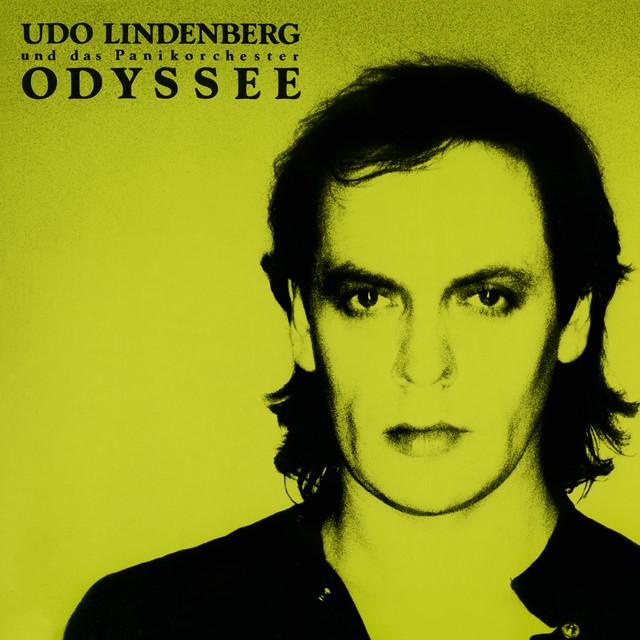
Purple Schulz

Pop
Mainstream Pop
Alternative Rock
 Viberate Rank: 66461
 Viberate Rank: 66461
 Monthly ListenersFollowers
 Subscribers
 Followers
 Followers
 FansTop Spotify Songs
| Track | 7-Day Streams | |
|---|---|---|
1 | 12.14K | |
2 | 9.38K | |
3 | 7.39K | |
4 | 3.88K | |
5 | 3.83K |
Top YouTube Videos| Video | 7-Day Views | |
|---|---|---|
1 | 6.52K | |
2 | 2.64K | |
3 | 1.79K | |
4 | 1.07K | |
5 | 779 |
Monthly ListenersFeatured in Playlists| Playlist | Followers | |
|---|---|---|
1 |  NDW – Neue Deutsche Welle Spotify | 315.79K |
2 | Markus Portmann-Jmnz | 74.30K |
3 |  Hitster enya.03 | 48.66K |
4 | Deutsche Party Klassiker Stegi | 24.68K |
5 | Deutsche 80er Hits Popkultur.de | 20.37K |
Audience| City | Monthly Listeners | |
|---|---|---|
1 | | 10.10K |
2 | | 6.68K |
3 | | 5.74K |
4 | | 4.44K |
5 | | 4.43K |
See full performance history, audience data, playlist activity, rankings, comparisons, and more in Viberate music analytics. Start with a free trial, then continue with a paid plan.
Purple Schulz’s Spotify BioKaum einer prägte die deutsche Popmusik der 80er so wie Purple Schulz.
Der markerschütternde Schrei "Ich will raus!" aus seinem unvergessenen Hit "Sehnsucht", für den er mit der Goldenen Europa ausgezeichnet wurde, hat auch nach über drei Jahrzehnten nichts an Intensität verloren. Pünktlich zum 35-jährigen Jubiläum dieses Evergreens blickt der Kölner Songschreiber, Buchautor und Radiomoderator mit seinem neuen Album "NACH WIE VOR" zurück auf sein Lebenswerk und interpretiert seine Songs so, als seien sie gerade erst geschrieben worden. Unter den 13 Tracks finden sich wahre Musikschätze wie "Immer nur leben", "Der Stand der Dinge" und "Durch Ruinen". Songs, die in den 80ern der damaligen Zeit entsprechend von Synthesizern dominiert wurden, präsentiert Schulz heute in völlig neuem musikalischen Gewand. Purple Schulz' unverwechselbare Stimme findet in den neuen Versionen den Platz, den sie braucht, um Geschichten zu erzählen, die Geschichte geschrieben haben und uns noch immer bewegen.… Neben zwei brandneuen Songs sowie zwei seiner größten Erfolge ("Sehnsucht" und "Kleine Seen") liefert Schulz mit "Bis ans Ende meiner Lieder" eine beeindruckende Hommage an den unvergessenen Udo Jürgens, indem er sich dessen Song zwar zu eigen macht, sich aber trotzdem vor dem Original verneigt. NACH WIE VOR ist eine Reise durch Purple Schulz' künstlerisches Schaffen, auf der wir altbekannte Songs wieder neu entdecken und uns mehr denn je in ihnen wiederfinden.
Viberate is a music analytics platform built for A&Rs, artist managers, labels, booking agents, marketers, and artists.
It helps music professionals track artist growth, analyze audience data, monitor playlist activity, compare artists, follow song performance, and identify opportunities across the music market.
Public artist pages provide a free preview of selected artist data. Paid plans provide access to deeper analytics, historical data, charts, comparisons, playlist tools, exports, alerts, reports, and additional professional features.
Yes. Public Viberate artist pages provide selected artist analytics and music data for free.
Viberate also offers a 7-day free trial of the full platform. A credit card is required to start the trial. The trial includes access to the complete product so users can test deeper artist analytics, historical views, playlist insights, comparisons, charts, exports, alerts, and reporting features before choosing a paid plan.
Viberate provides artist analytics across streaming, playlists, social media, video, radio airplay, songs, and audience markets.
Users can analyze Spotify performance, Spotify and Apple Music playlists, YouTube activity, TikTok and Instagram growth, radio spins, song performance, audience locations, demographics, rankings, and overall artist momentum.
Artist profiles also connect to music charts, similar artists, and comparison tools, helping users benchmark performance and evaluate artists in context.
Viberate updates key artist and track data daily.
For followed artists and tracks, selected data is refreshed multiple times per day. This helps teams monitor playlist changes, streaming movement, audience growth, releases, and campaign performance with more current data.
Update frequency can vary depending on the metric and data source.
Yes. Viberate lets users compare up to five artists side by side across streaming, social media, audience, and engagement metrics.
Users can compare fanbase growth, audience demographics, locations, Spotify performance, social metrics, and other artist data over selected time periods.
Artist comparison can be used for A&R scouting, benchmarking, booking decisions, campaign planning, and evaluating artists with similar audiences or market positions.